Silhouette Universe collector: GPT Image 2 prompt
Prompt
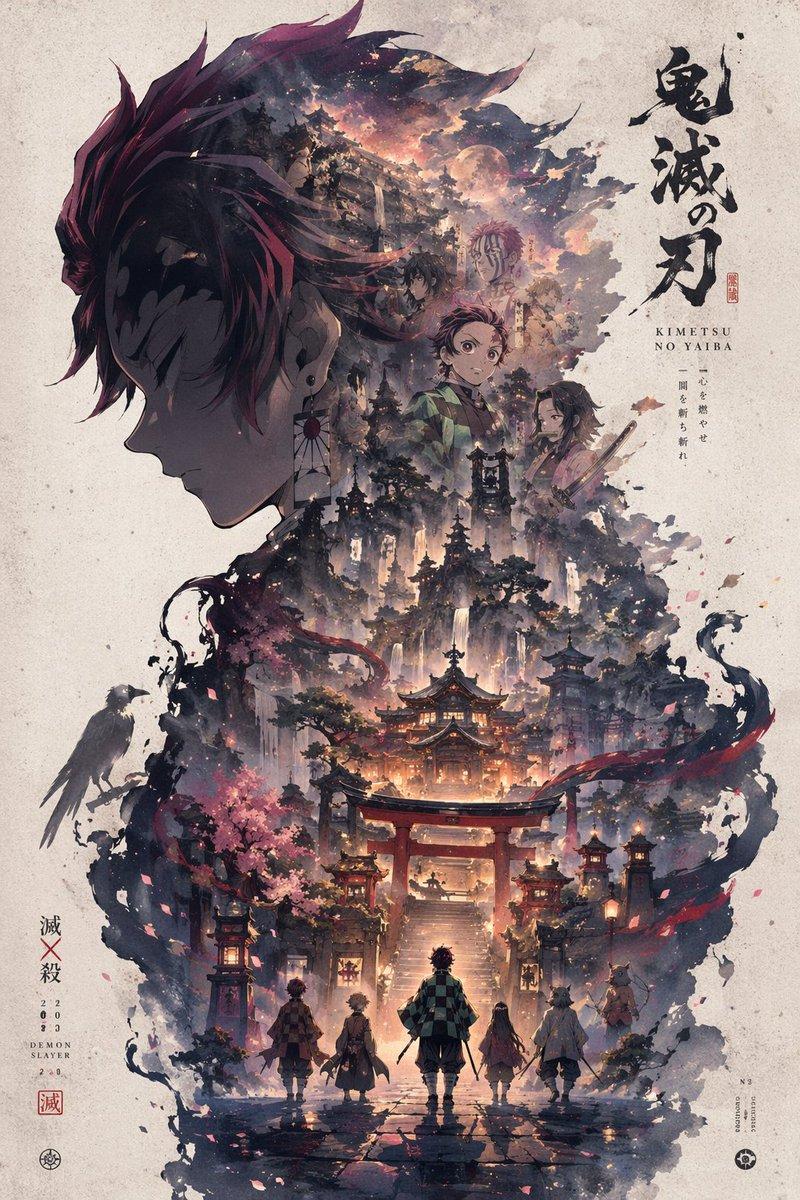
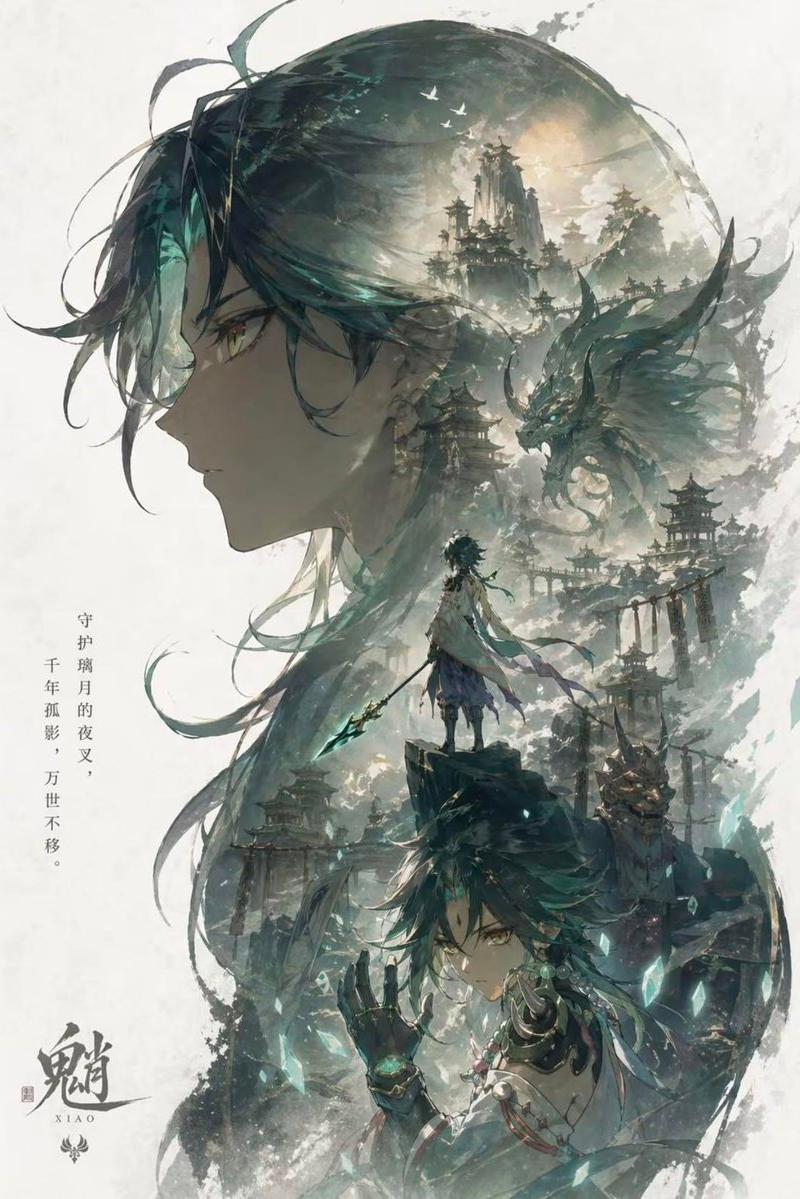
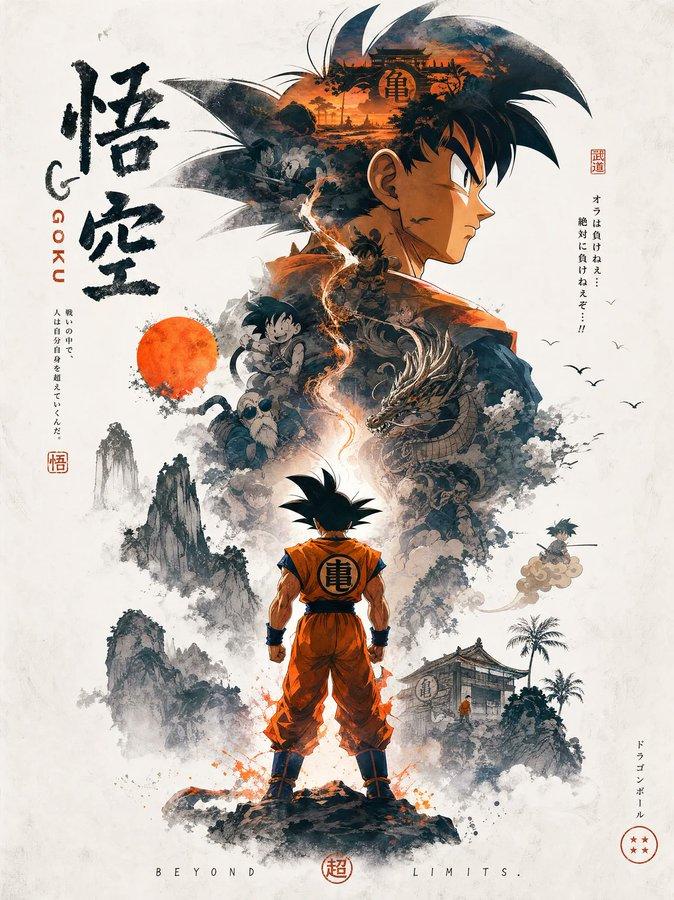
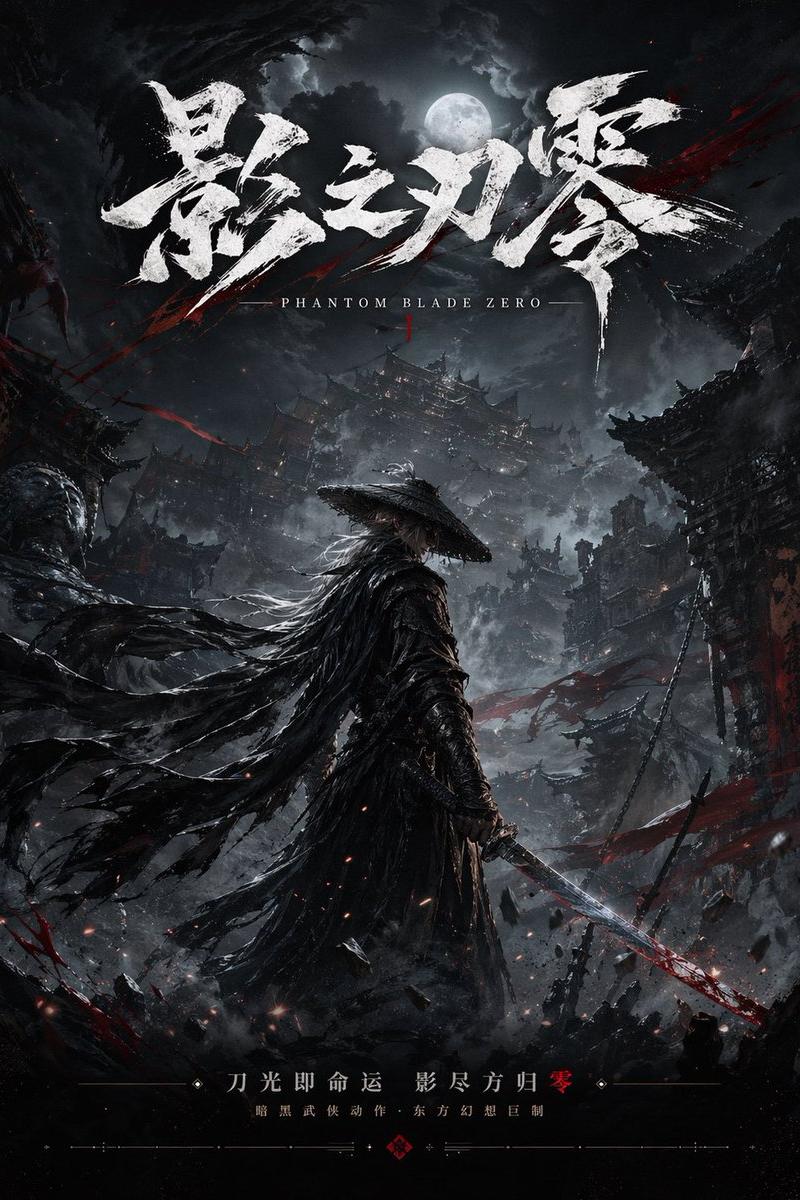
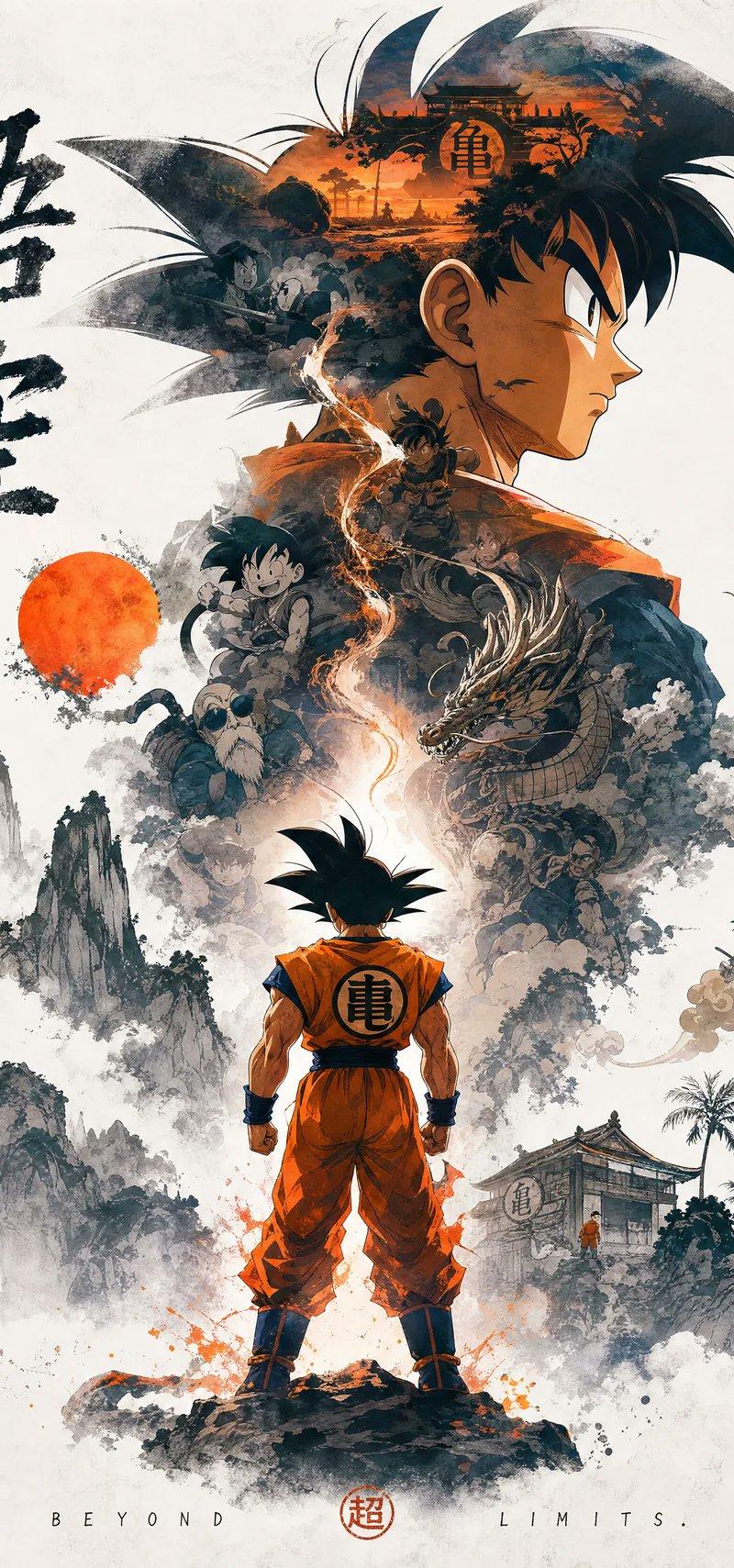
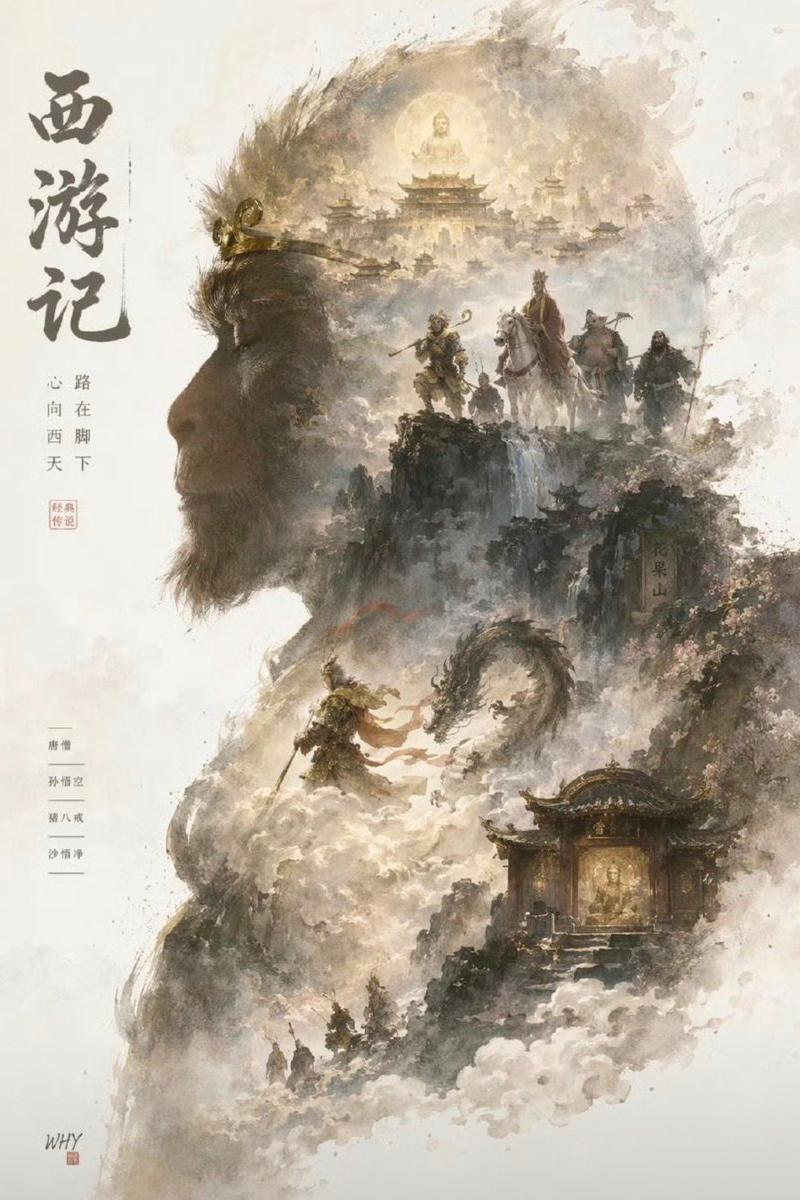
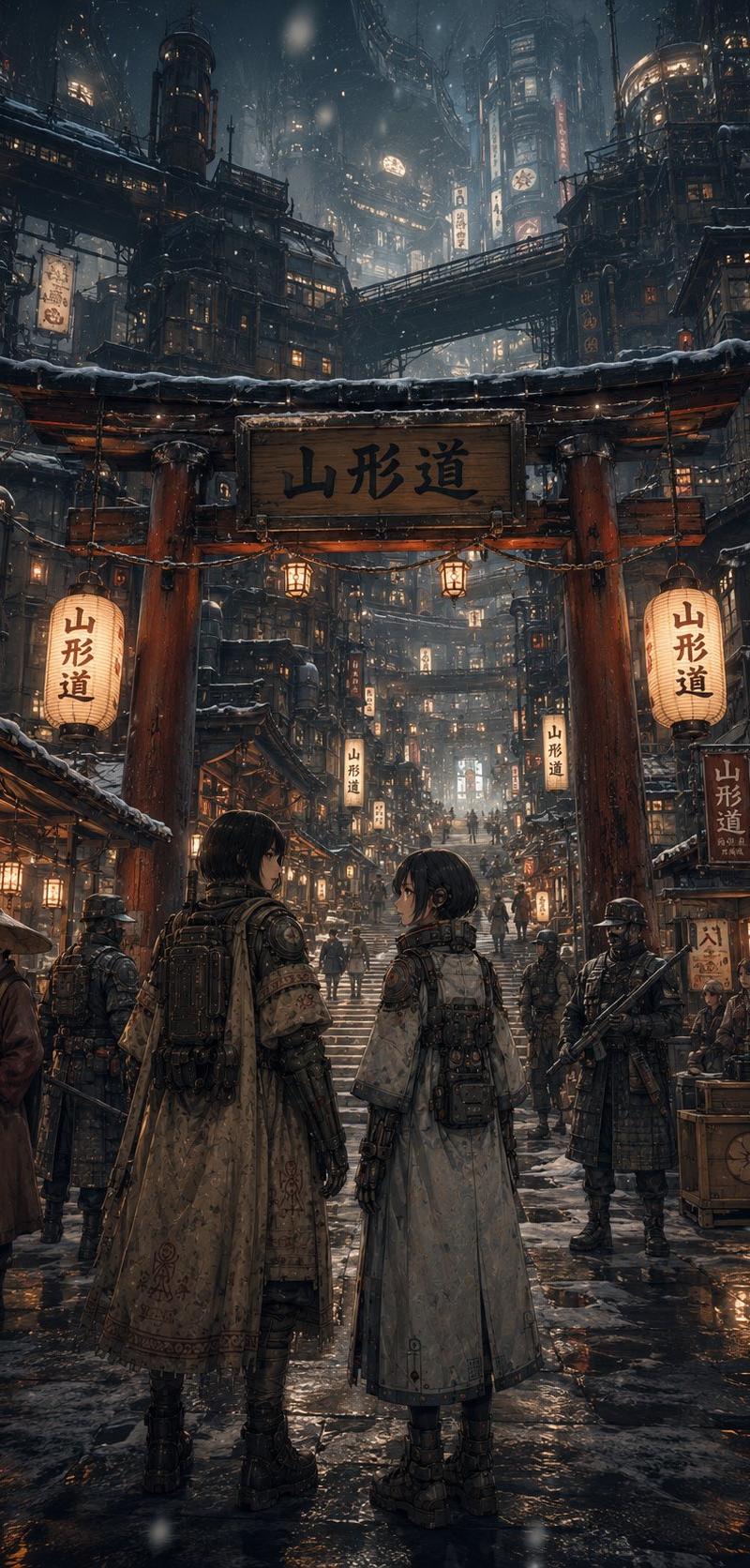
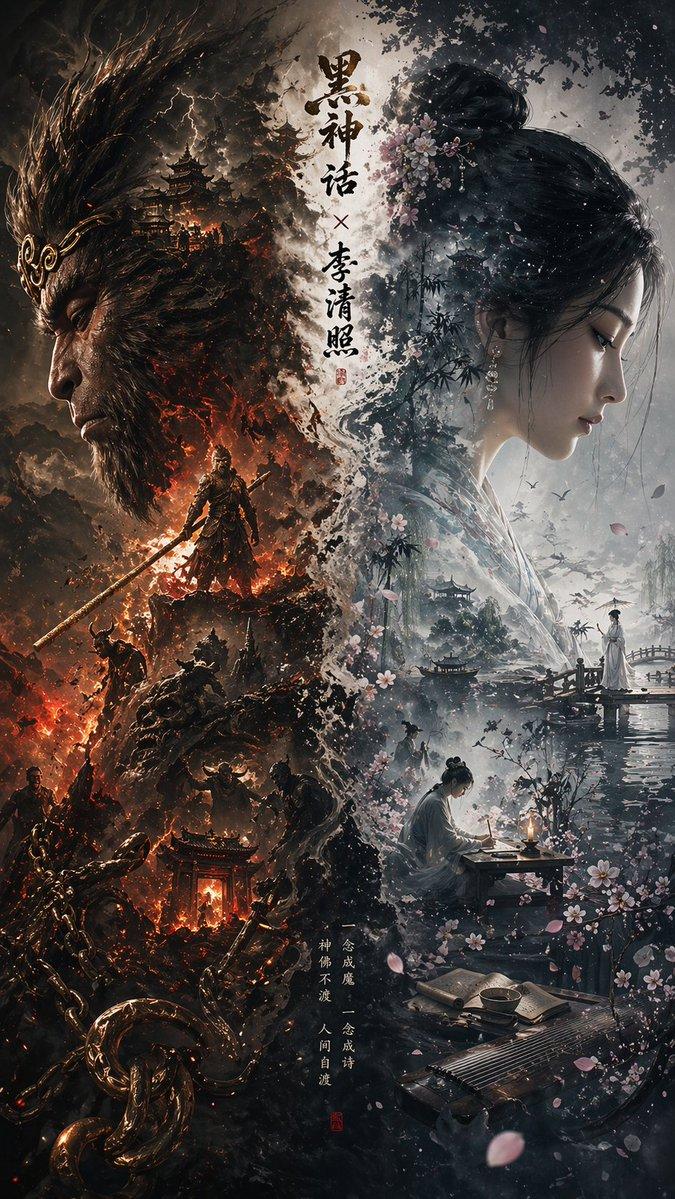
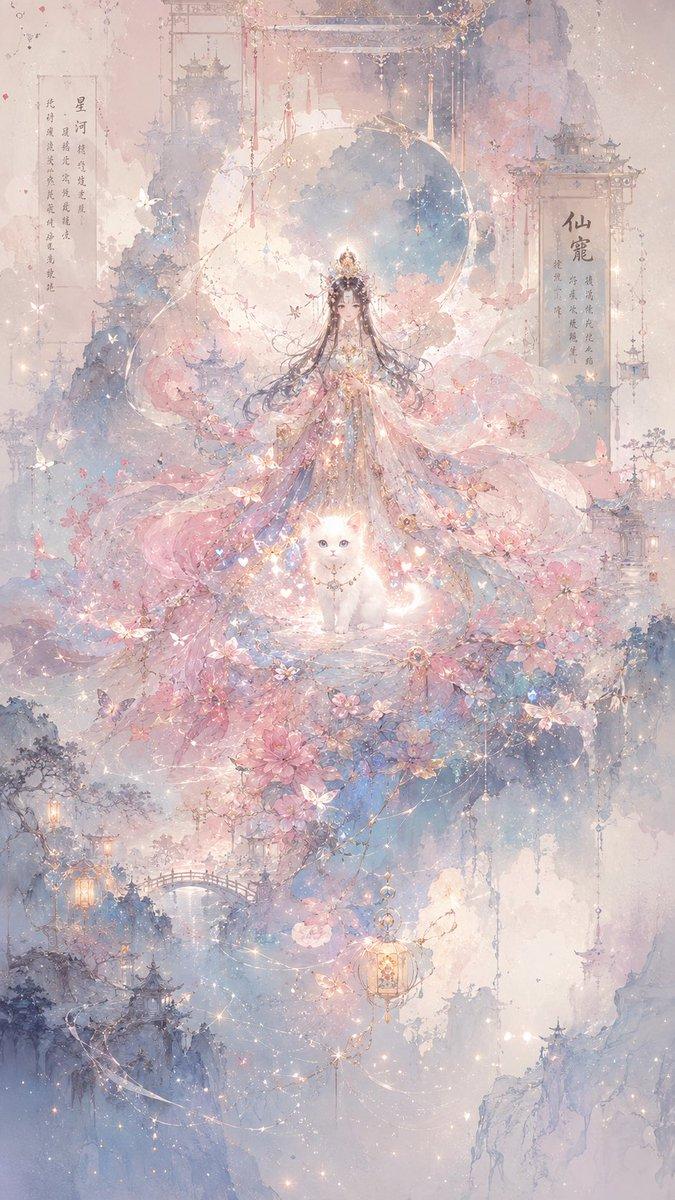
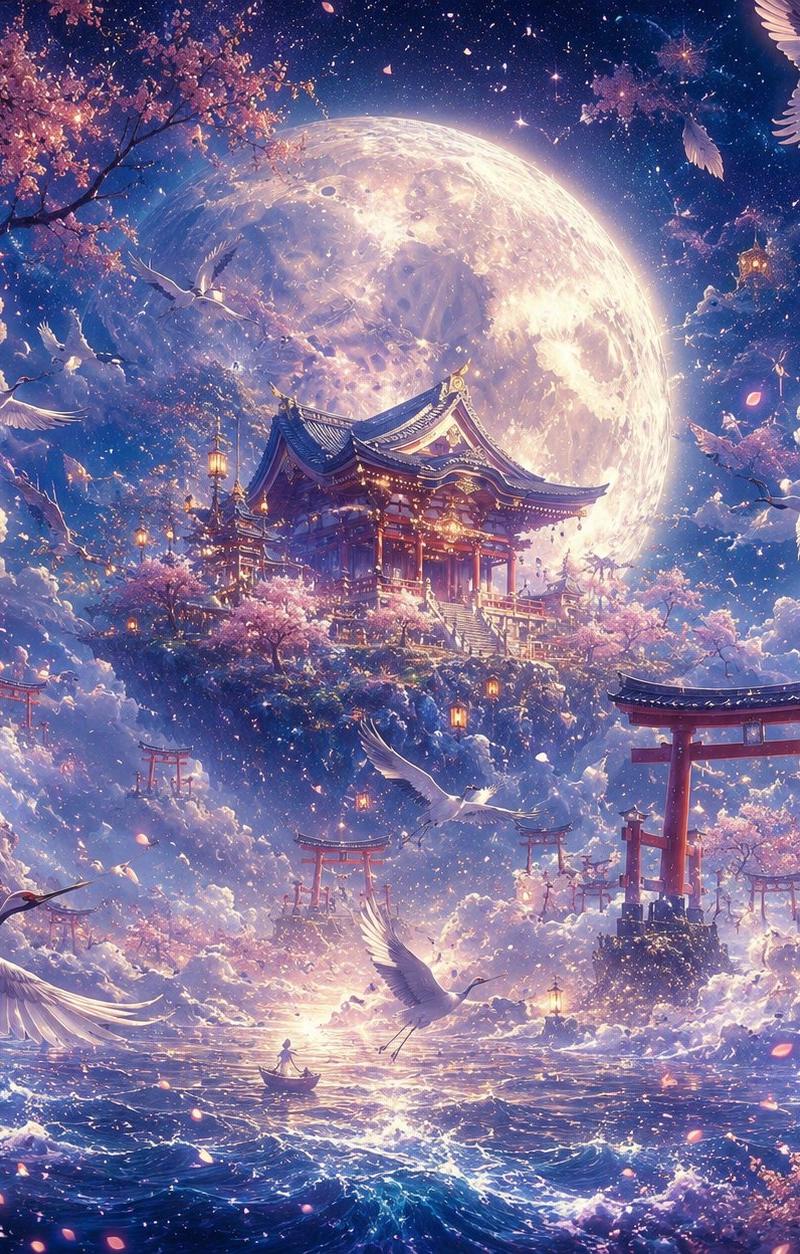
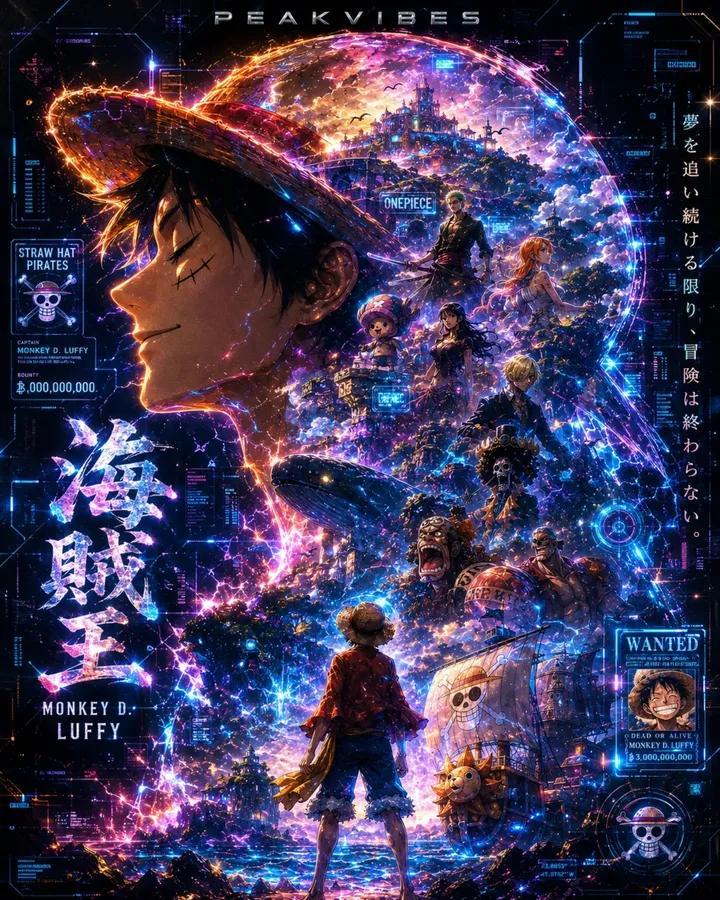
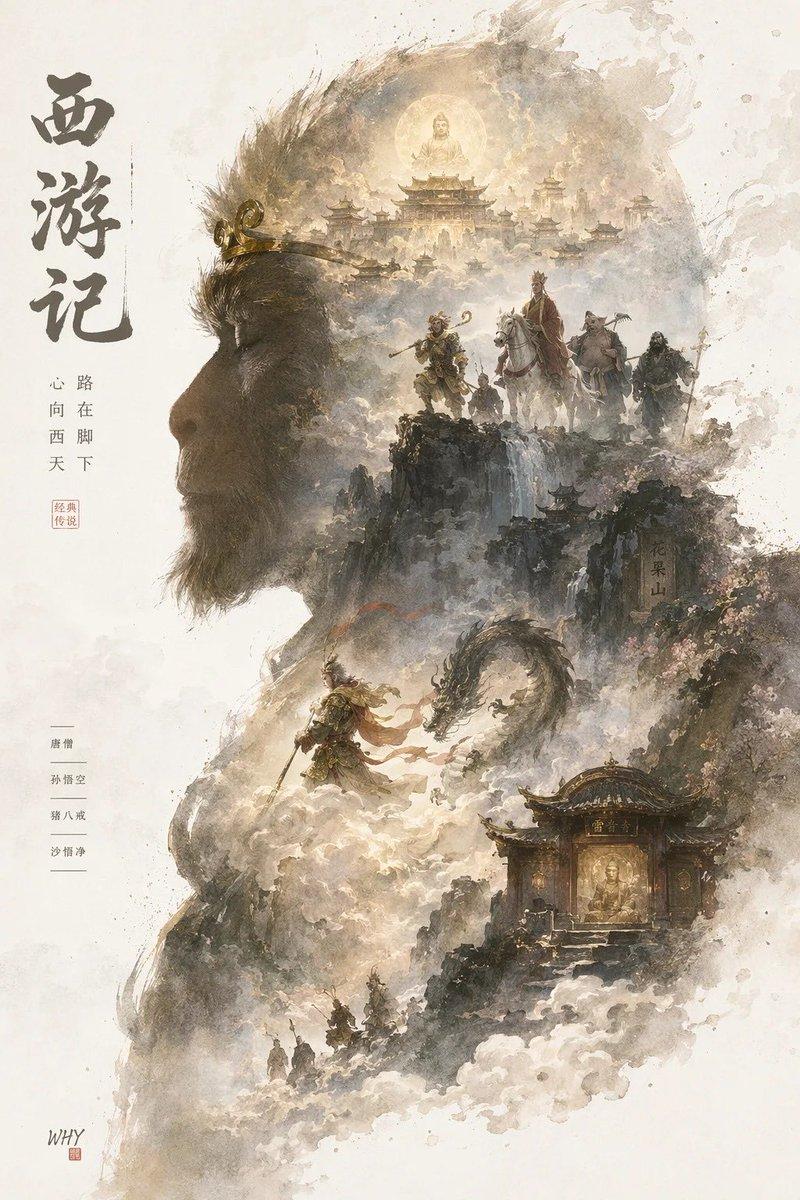
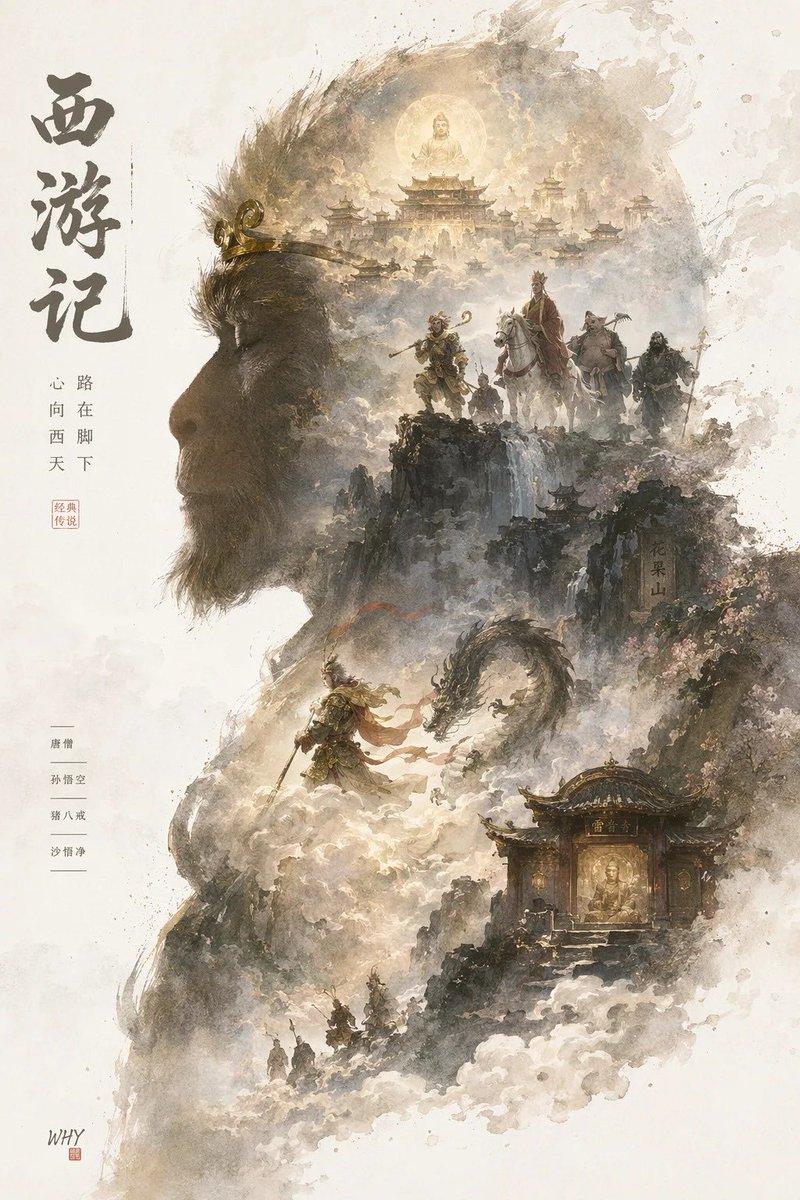
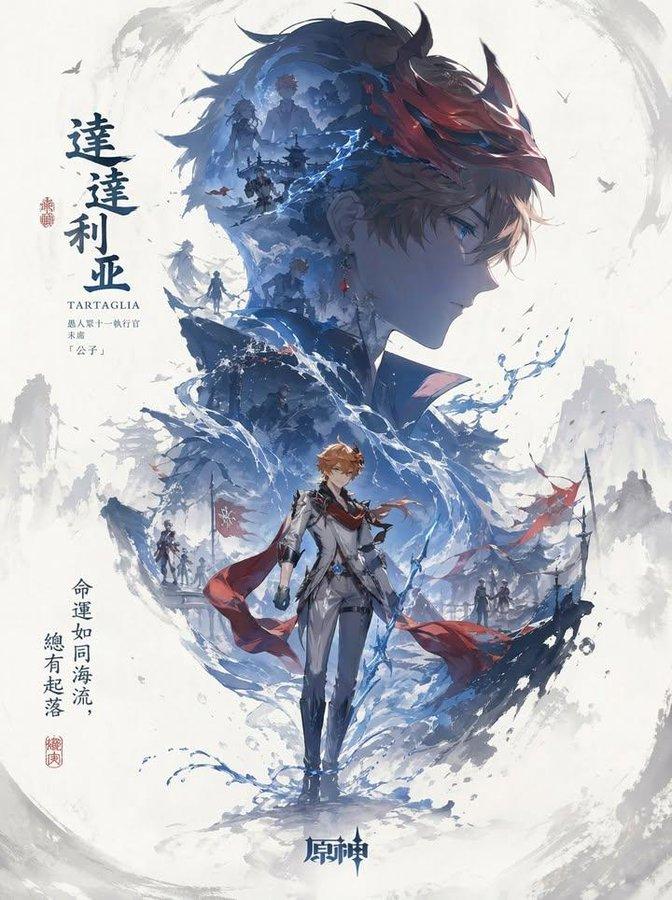
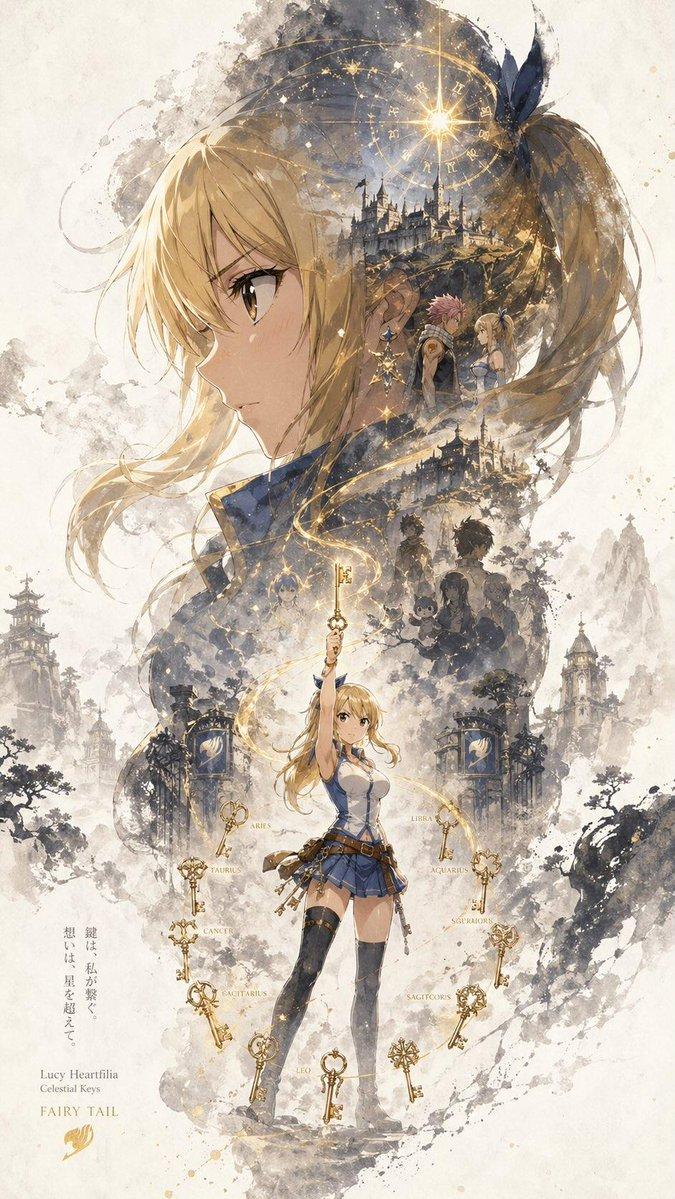
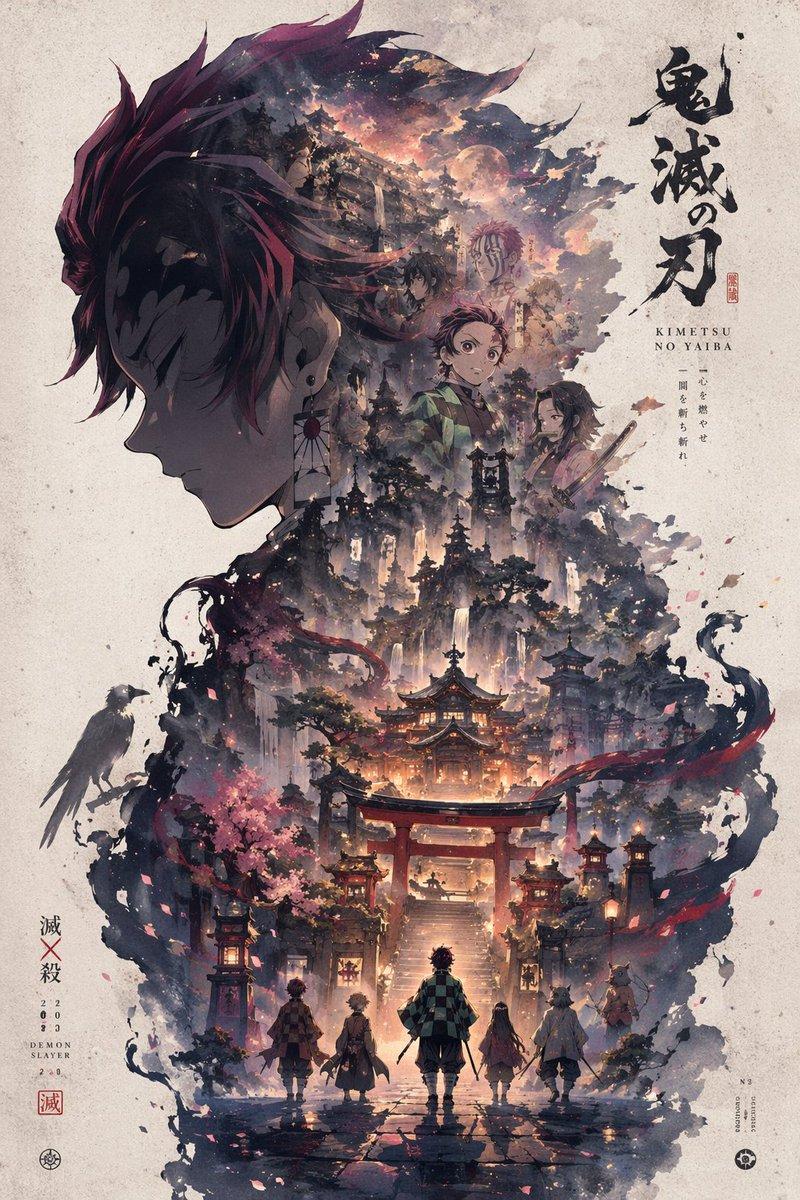
Please auto-generate a 'Silhouette Universe / Collector's Edition Narrative Poster' style work based on [Theme: xxx] with high aesthetic taste. Don't limit the image to a fixed object or common container; don't default to bottles, hourglasses, glass domes, pocket watches, or other typical vessels. Instead, the AI should judge the most suitable, symbolic, contour-strong, narrative-bearing main silhouette based on the theme. The main silhouette can be an object, building, door, tower, archway, dome, stairwell, corridor, statue, profile, eye, hand, skull, wing, mask, mirror, throne, ring, crack, light curtain, shadow, geometric structure, sliced space, stage frame, abstract symbol, or any other creative, theme-representative visual contour, with a reasonable layout. Prioritize silhouettes that most amplify the theme's temperament, form strong visual memory, embody epic / mysterious / poetic / design feel — not the safest, most common containers.

The core of the image is not simply 'putting a world inside an object,' but letting a complete thematic world grow naturally inside, on, around, or merging with this main silhouette, forming a refined narrative effect of 'a thematic universe unfolding via a symbolic contour.' The main silhouette must be clear, elegant, recognizable, and central to the composition. Inside or around the silhouette, auto-generate a complete narrative world strongly tied to the theme — content rich, layered, including iconic scenes, core architecture or spatial structure, symbolic motifs and metaphors, character relationships or civilizational traces, foreground/middle/distant spatial recession, atmospheric layers with fate and emotional tension, plus narrative details like doors, steps, bridges, water, smoke, paths, light sources, ruins, mechanical structures, natural landscape, abstract forms, creatures, or props. All elements must merge unified, naturally, with hierarchy — like a complete world truly nurtured inside this silhouette structure, not a simple collage, cropped fill, asset pile, or template background.

The overall composition should have a strong collector's-edition poster temperament and high-end design feel, with stable big structure, strong clear silhouette, internal world with depth, order, and breathing room, abundant detail without clutter, full content without mess. May include small-proportion human silhouettes, distant buildings, light columns, doorways, bridges, stairs, corridors, reflections, sky-light, or distant structures to strengthen scale, story, and epic feel. The overall image should be quiet, grand, condensed, with lingering aftertaste — not evenly tiled, not cheap-loud, not unfocused piling.

Style blends collector's-edition movie-poster composition, high-end narrative visual design, dreamy watercolor texture, and paper-print quality, emphasizing paper grain, edge fade, watercolor brush marks, slight bleed, atmospheric perspective, soft fog, localized volumetric light, light-fog penetration, large negative space, restrained layout — making the image look like a designer's premium collector's visual work, not a generic AI render. The mood should be premium, poetic, grand, sacred, nostalgic, quiet, with legend and narrative feel.

Colors: AI auto-determines and matches the most suitable premium color scheme based on the theme, but must remain unified, restrained, eye-pleasing, low-saturation, and premium — no chaotic high saturation, no cheap neon, no plastic/digital feel. Palettes can vary across black-gold-gray, cool blue-gray, foggy white-gray, brown-red beige, dark copper, old paper, deep sea blue, dusk purple, silver gray systems, etc., but always serve the theme and maintain poster-grade aesthetics and overall harmony.

Final: First glance — strong theme identity and silhouette memory; second glance — complete rich narrative world; third glance — still has detail and aftertaste. The silhouette choice must be creative and theme-fit, avoiding repetitive, safe, common container clichés; prefer more symbolic, more spatial, more design-potent silhouette forms. No generic background splicing, no rigid cropping, no template fantasy assets, no game-promo feel, no over-cartoonization, no over-realism that loses art feel, no form-over-content. If appropriate, may naturally include subdued title, number, signature, or seal — making it look like a collector's edition poster design — but not overpowering.
- Category
- Posters & Typography
- Model
- GPT Image 2
- Creator
- MrLarus
- Source language
- zh-CN
- Source ID
- awesome-comparison-23
- Published
- Apr 29, 2026
Views0