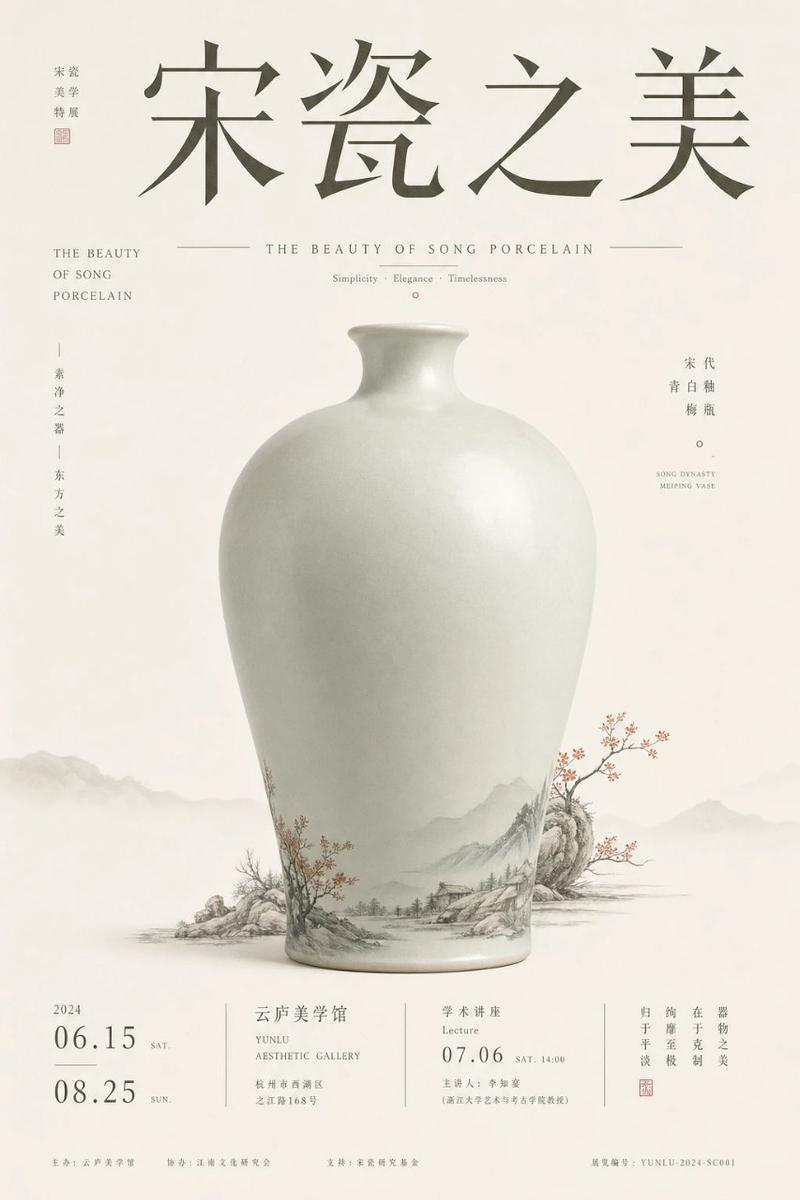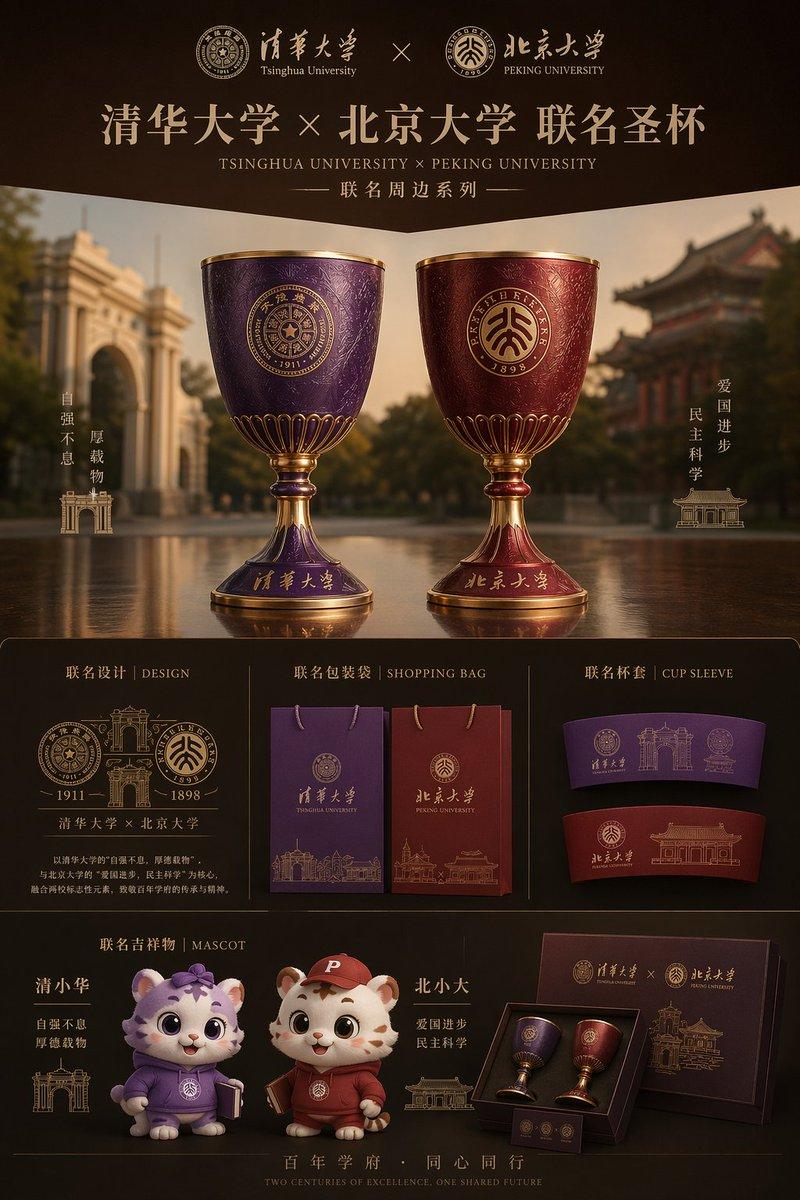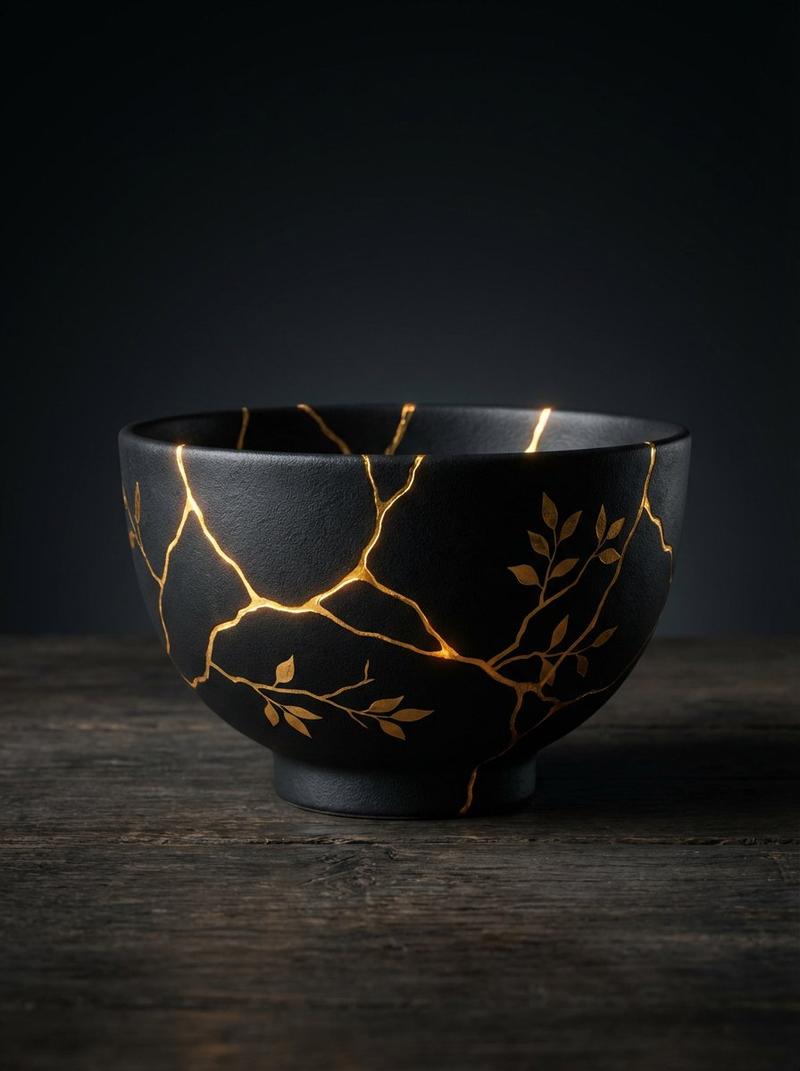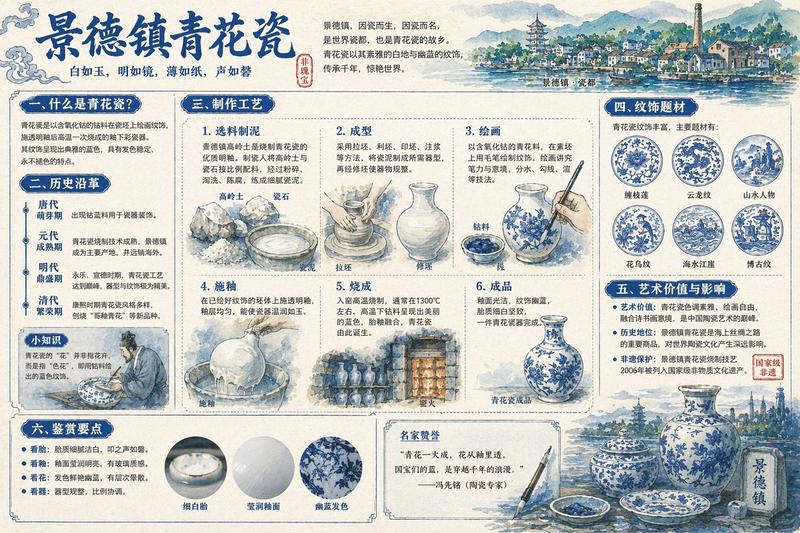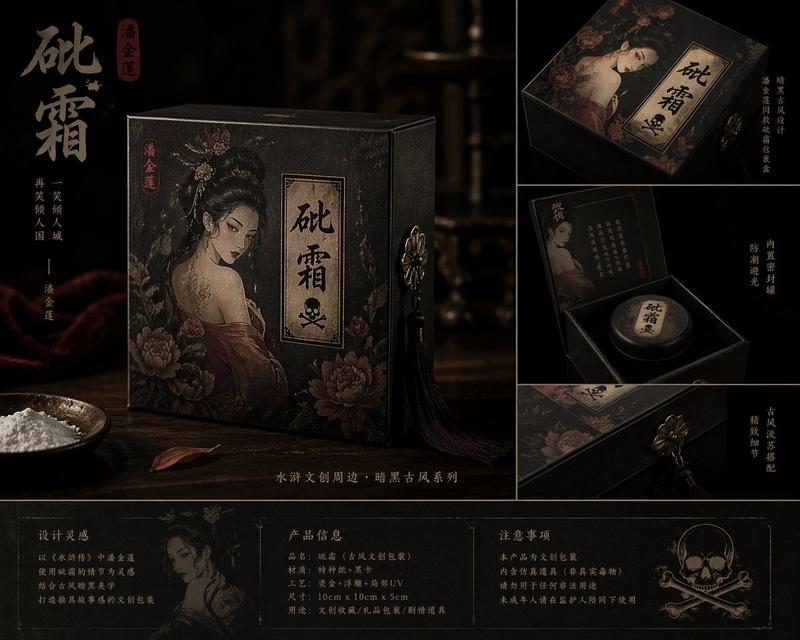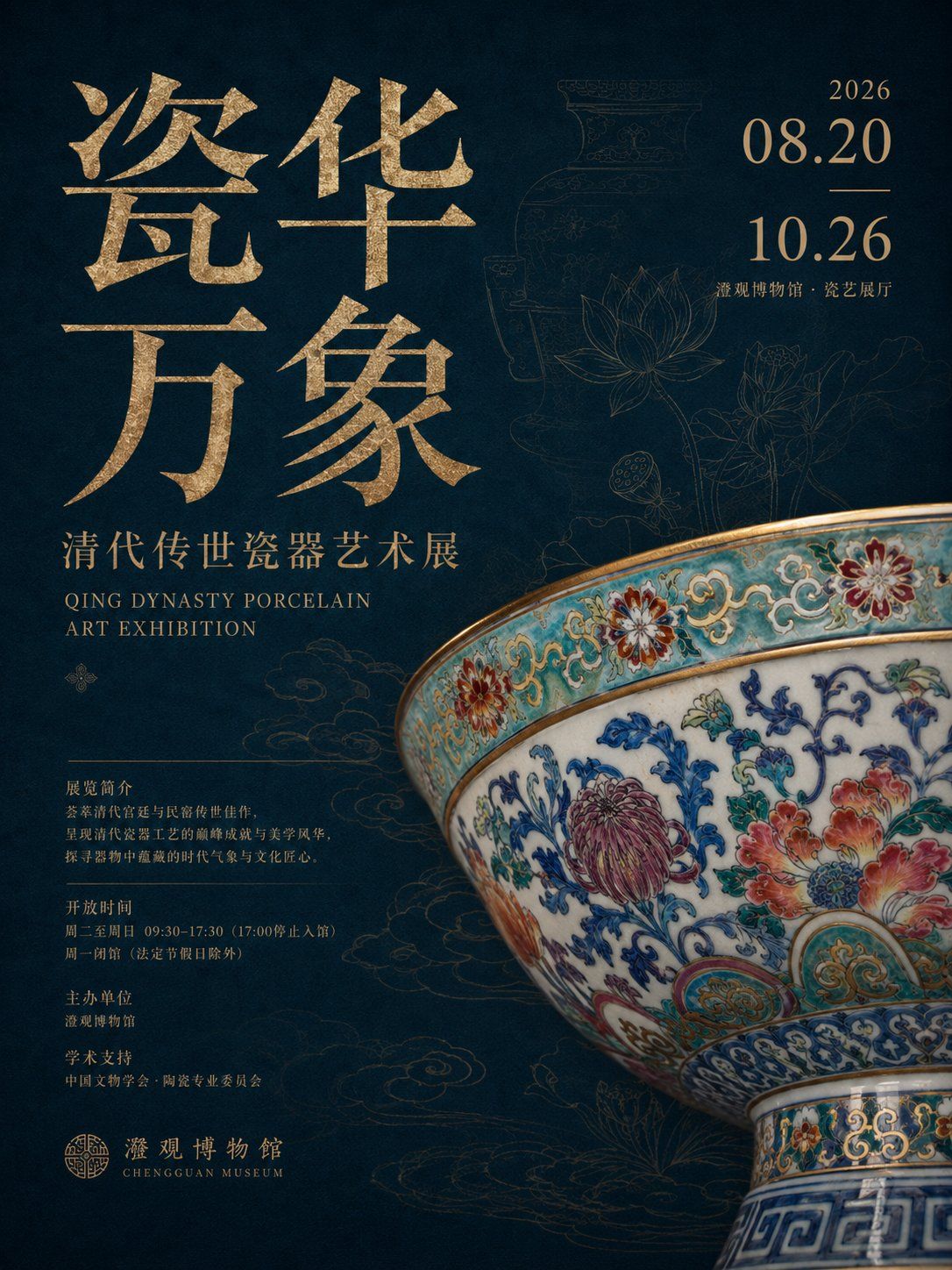
高级东方博物馆展陈海报生成提示词
Prompt
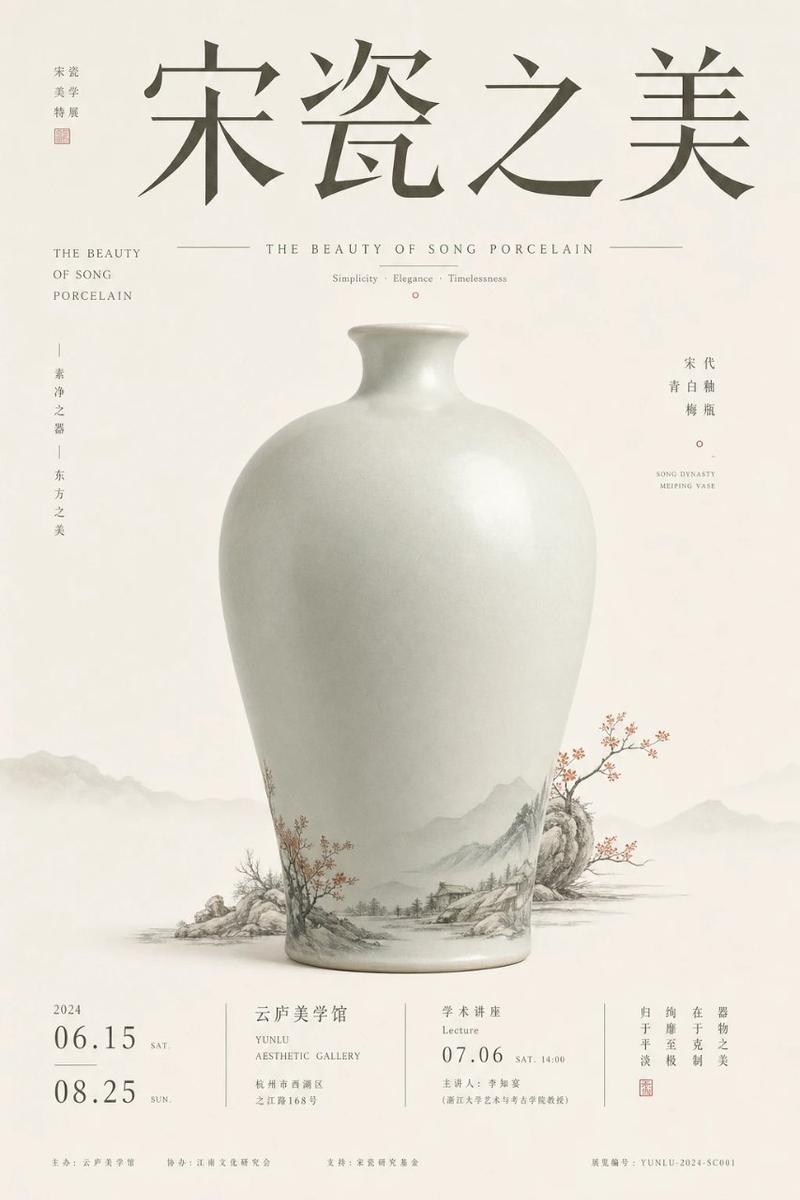
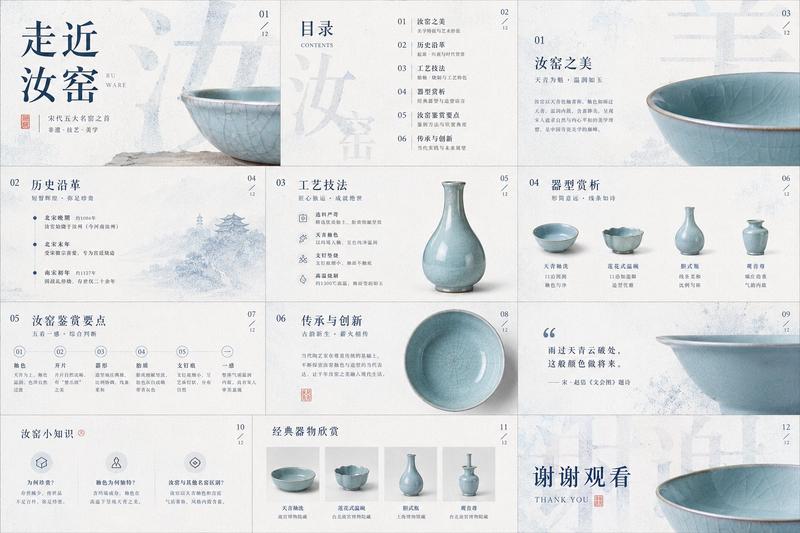
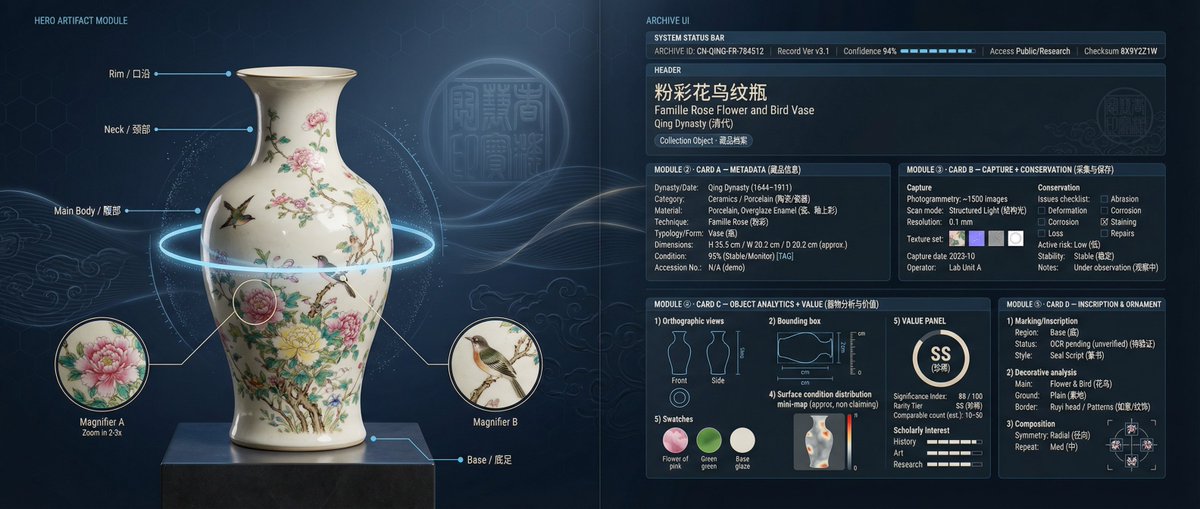
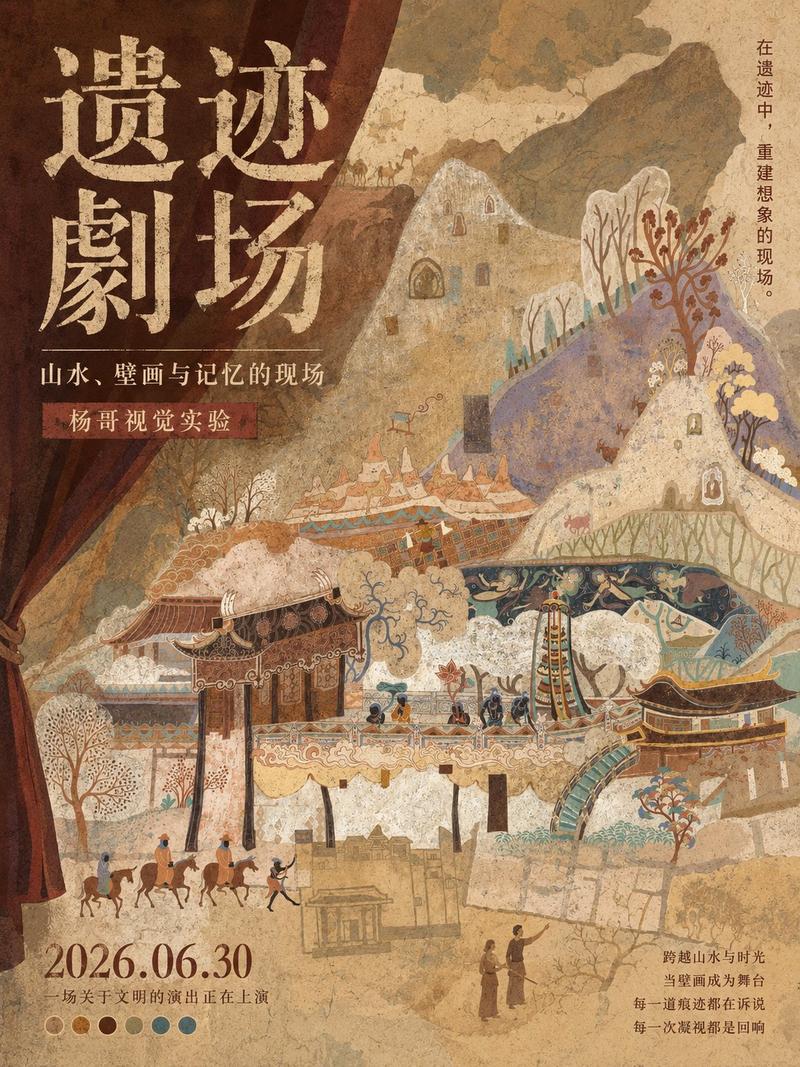
Generate a high-end Oriental museum exhibition poster.

Subject: [Subject Name]
Chinese Title: [Main Chinese Title]
Subtitle: [Chinese Subtitle]
English Subtitle: [English Subtitle]
Exhibition Period: [2026.xx.xx — 2026.xx.xx]
Location: [Museum / Art Gallery · Exhibition Hall]
Main Subject: [Porcelain / Bronze / Tea Set / Bird and Flower Painting / Jade / Lacquerware / Ancient Books, etc.]
Background Color: [Deep Peacock Green / Deep Indigo / Dark Obsidian Green / Dark Tea Brown Red / Mysterious Black, etc.]
Background Line Drawing: [Lotus / Vines / Cloud Patterns / Taotie Patterns / Bamboo Leaves / Plum Branches / Object Outlines]
Ratio: Vertical 3:4

The overall style is a high-end Oriental museum exhibition poster, deep-colored paper background, fine grain, old paper texture, realistic printed poster quality.

Place an ultra-large Chinese main title on the left or top left, using Songti / Mingti / ancient book title fonts, color in old gold or beige gold. The title must have slight gradients, paper texture, gold powder particles, slight mottling, and aged edges, not solid flat characters.

The main subject is a museum-level hero object, with beautiful shape, rich patterns, exquisite materials, and artistic collection value. Presented using partial cropping, huge cut-in from the bottom right corner, circular window, or half-exposed method, do not use complete commercial product shots.

Add clearly discernible low-contrast line drawing decorations to the background, such as lotus, vines, cloud patterns, Taotie patterns, bamboo leaves, plum branches, object outlines, etc. Line drawings should be complete and structured, not too light or too blurry.

The layout includes: large Chinese title, English subtitle, date module in the top right corner, bottom exhibition introduction / opening hours / organizer / academic support and other small text information. Overall, there should be white space, hierarchy, rhythm, and the visual quality of a real art museum's key visual.

Avoid cheap Guochao style, travel posters, e-commerce advertisements, cartoon feel, neon feel, titles without texture, empty backgrounds, too light line drawings, crude objects, garbled text, crowded layout, low resolution.
- Category
- Charts & Infographics
- Model
- ChatGPT
- Creator
- @MrLarus
- Source ID
- 16614
- Published
- Jun 23, 2026
Views102