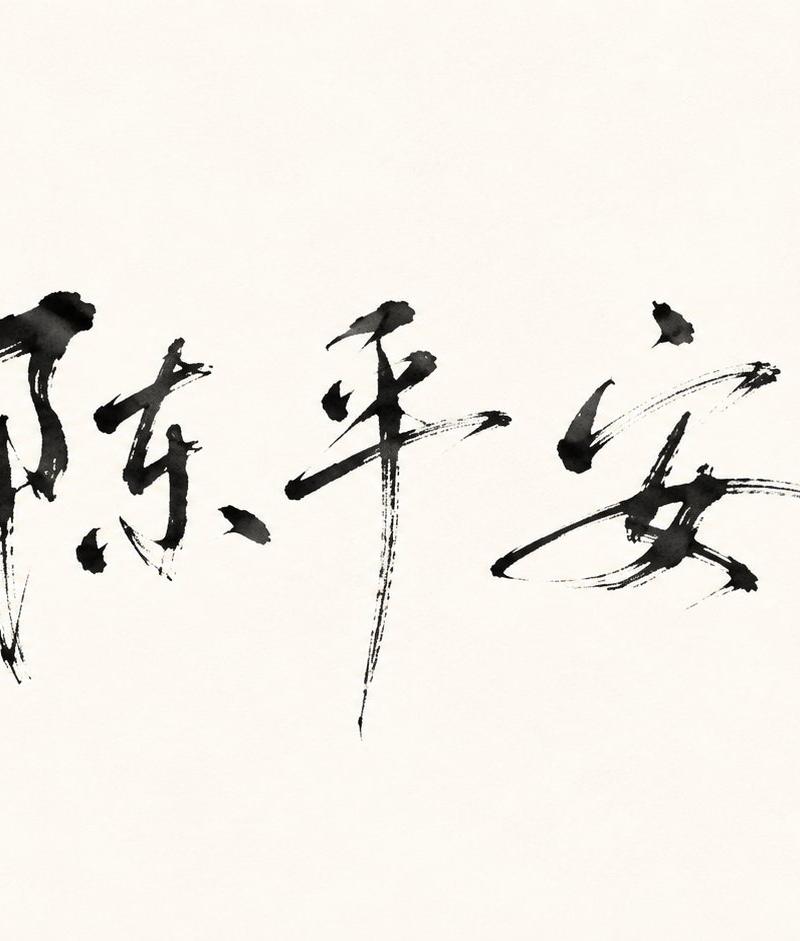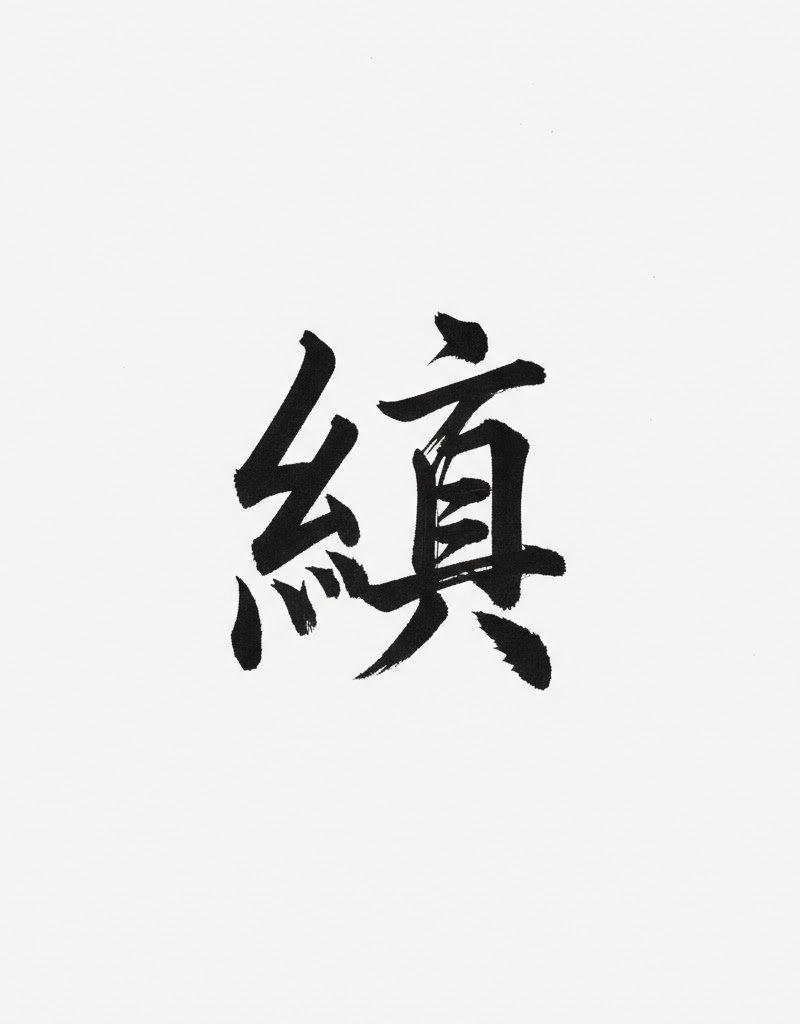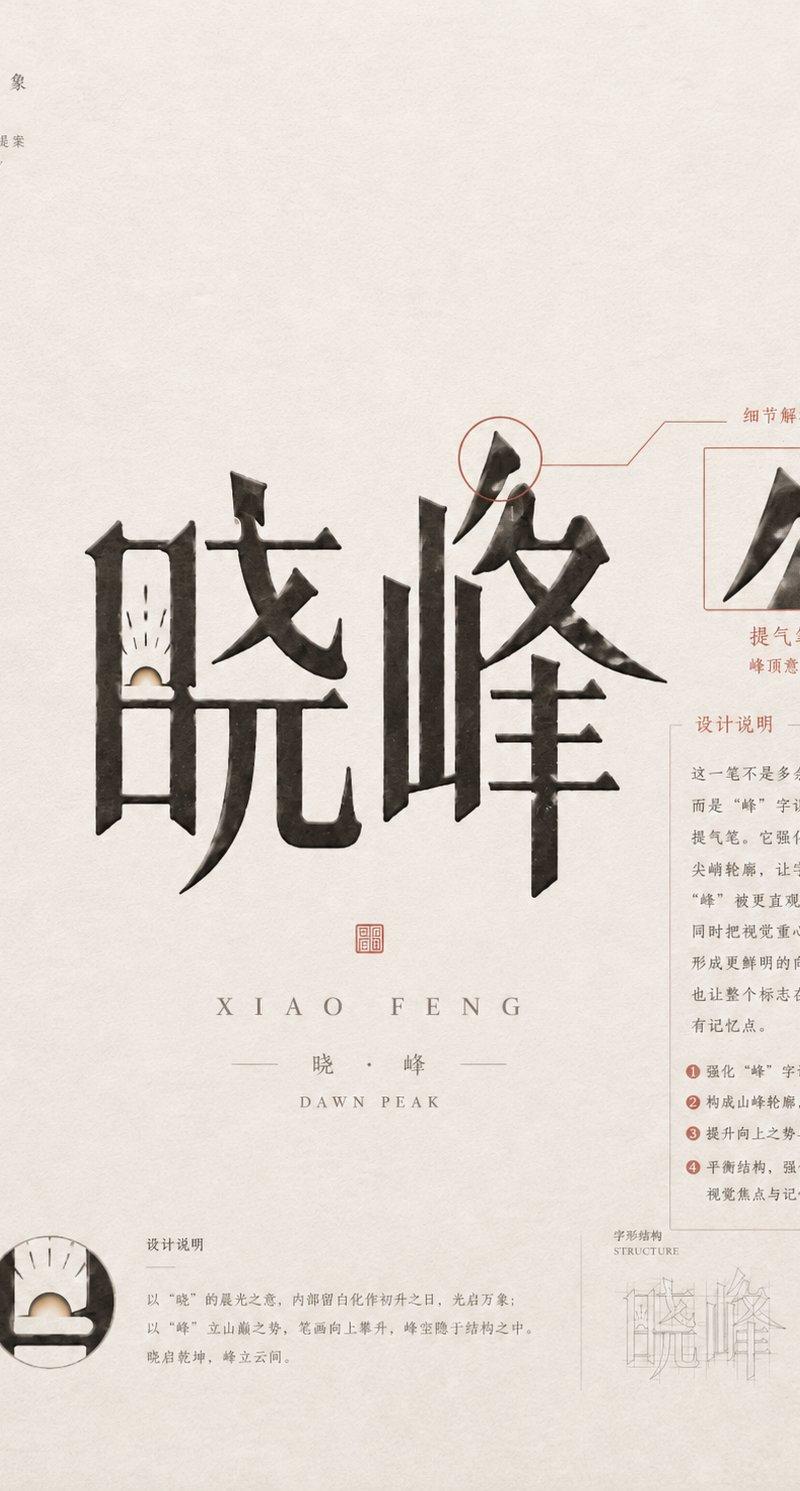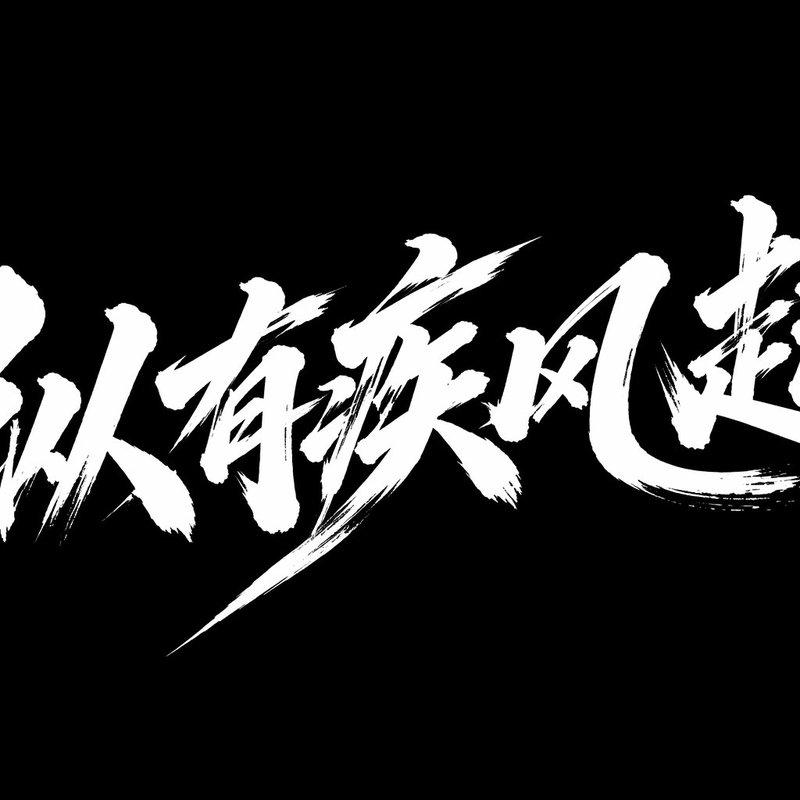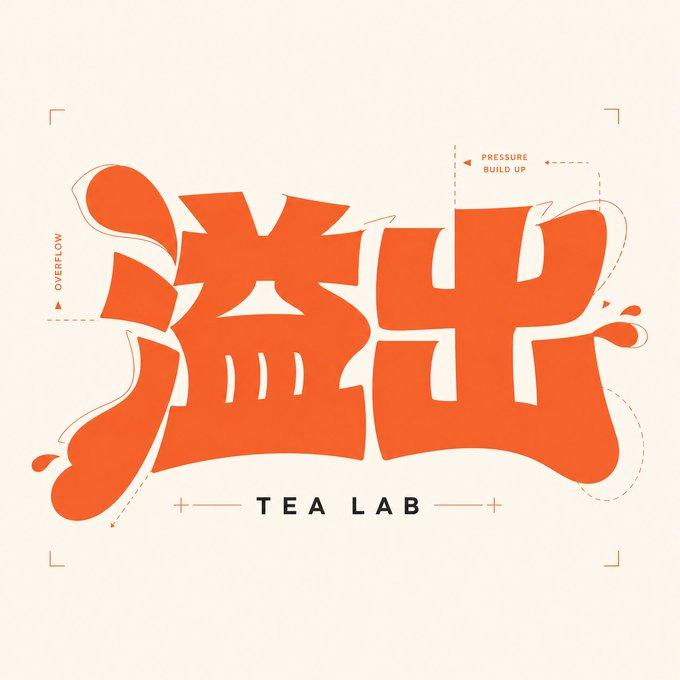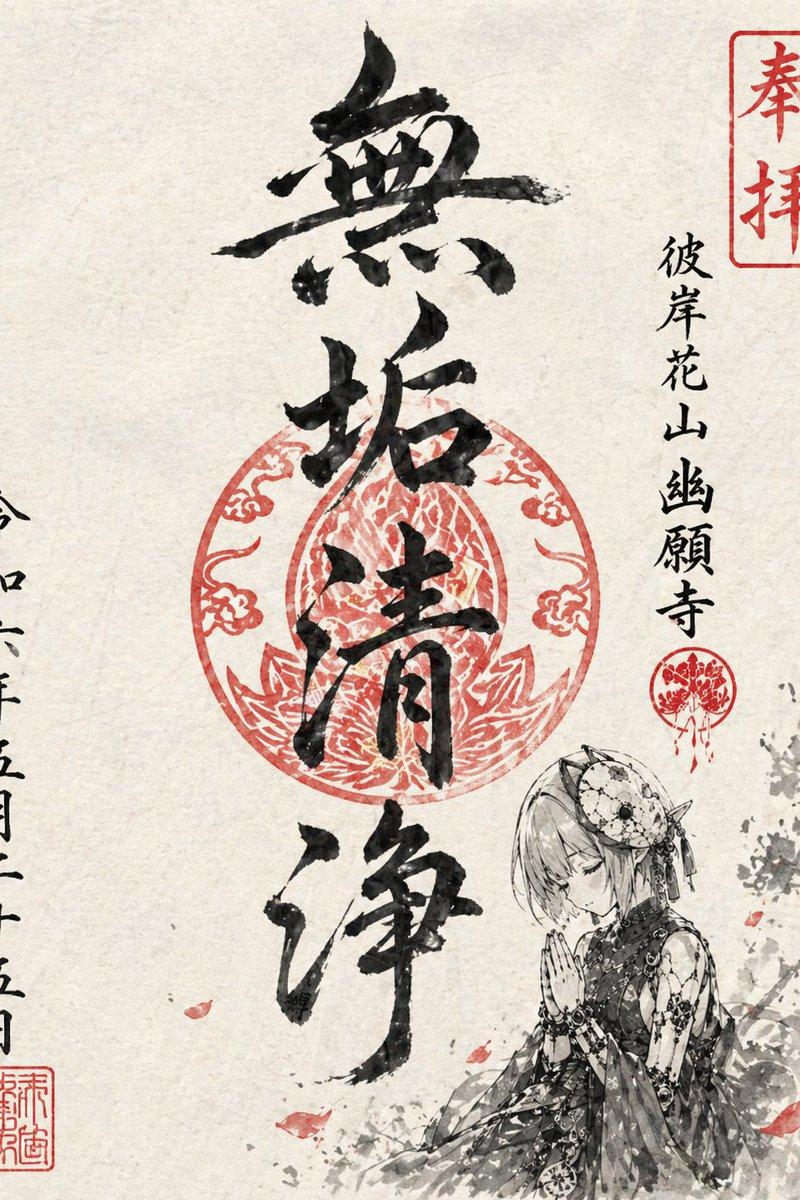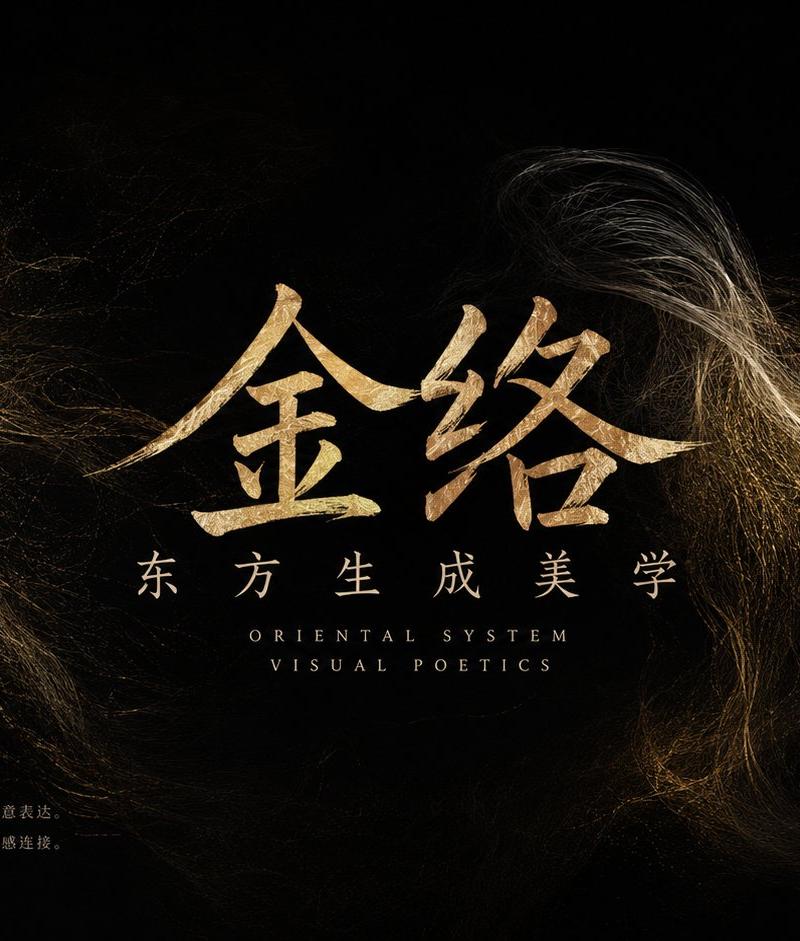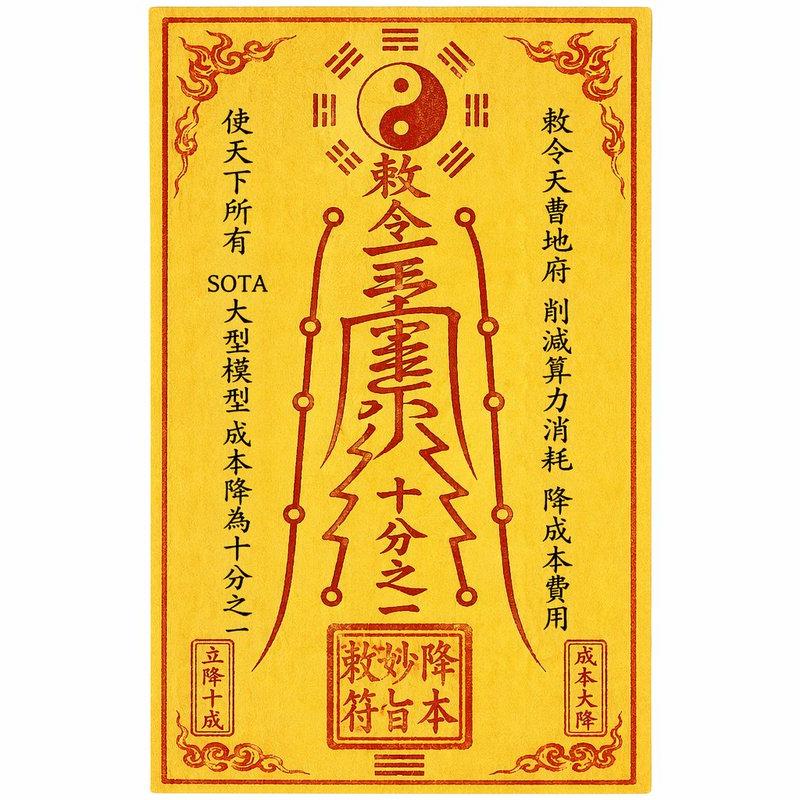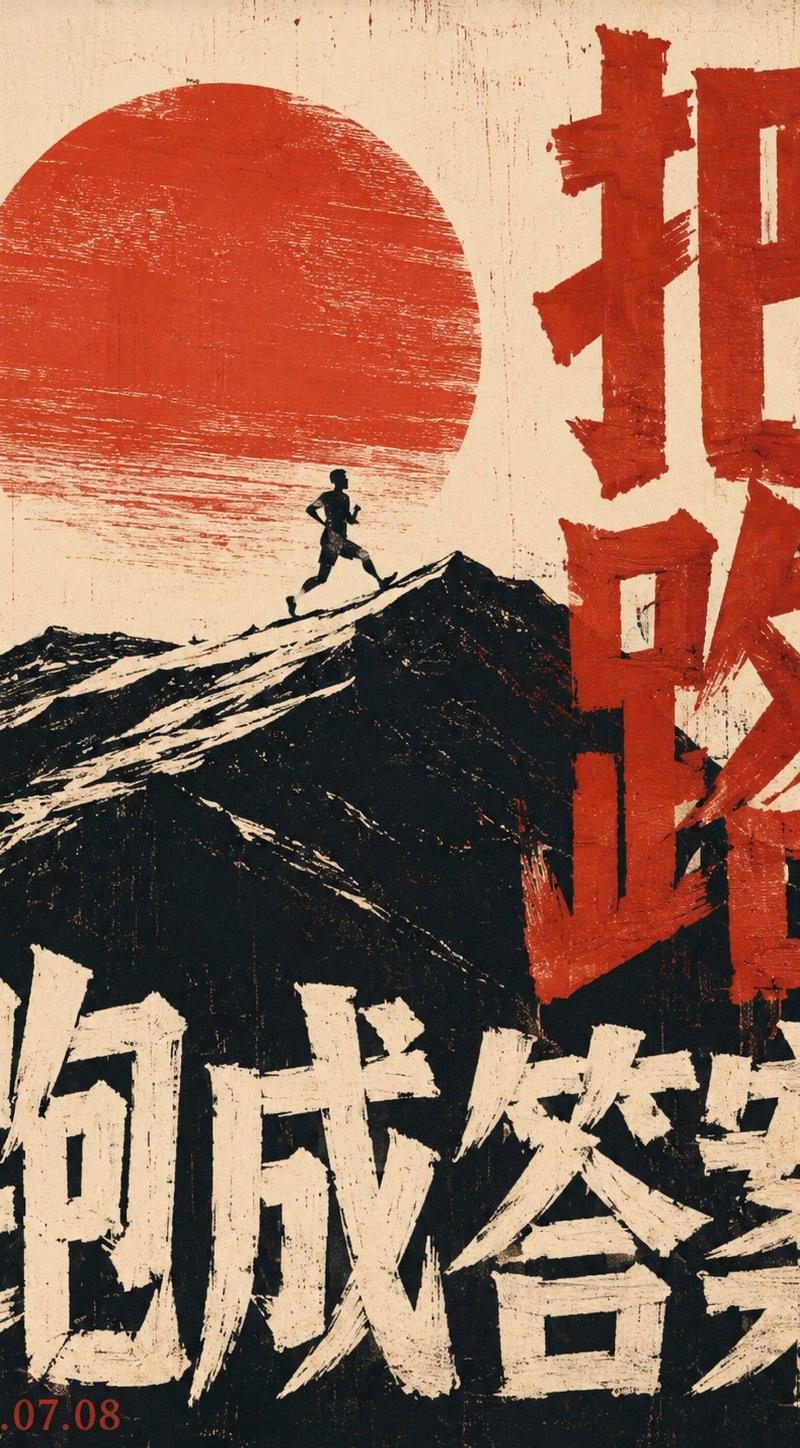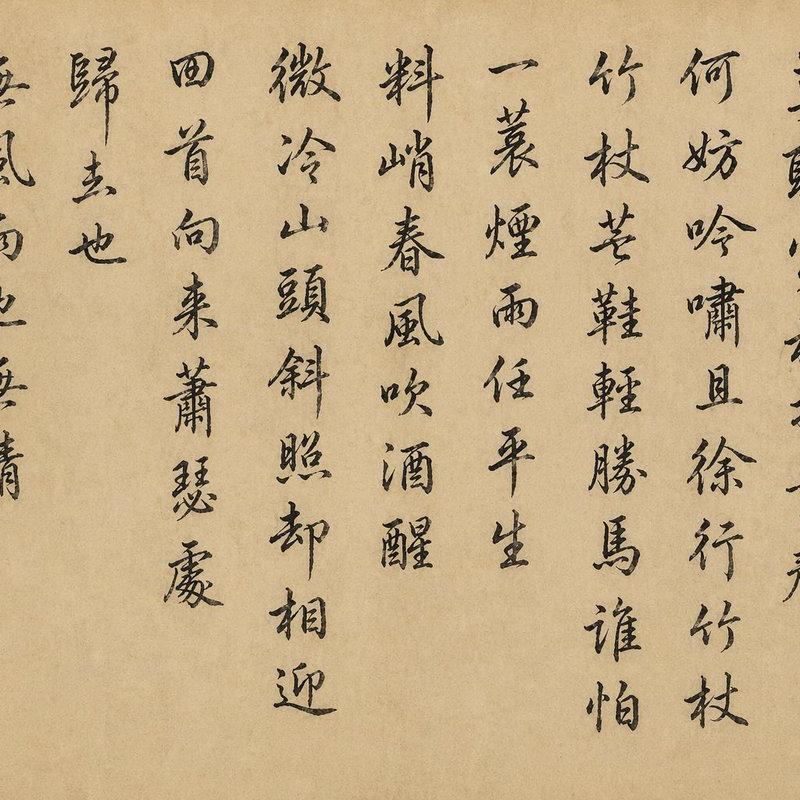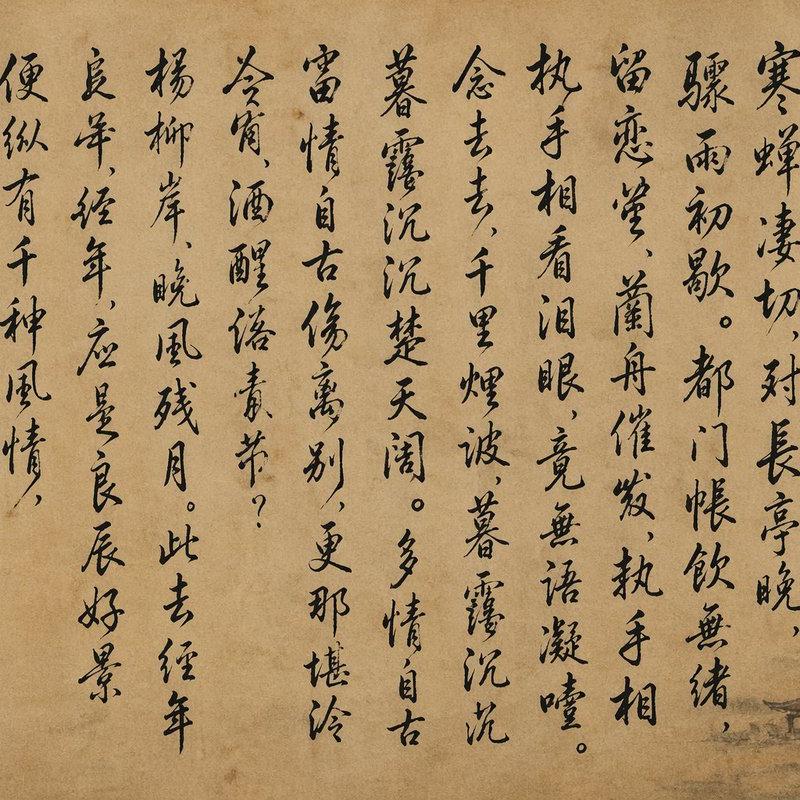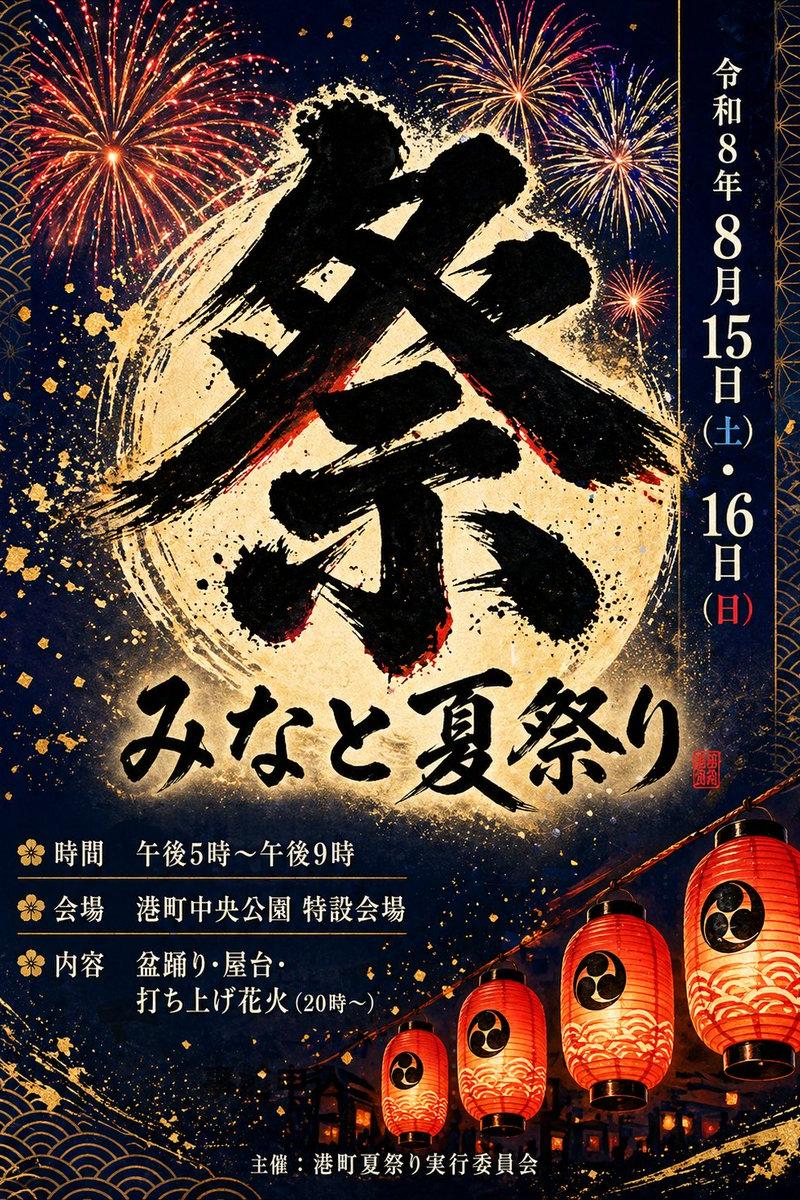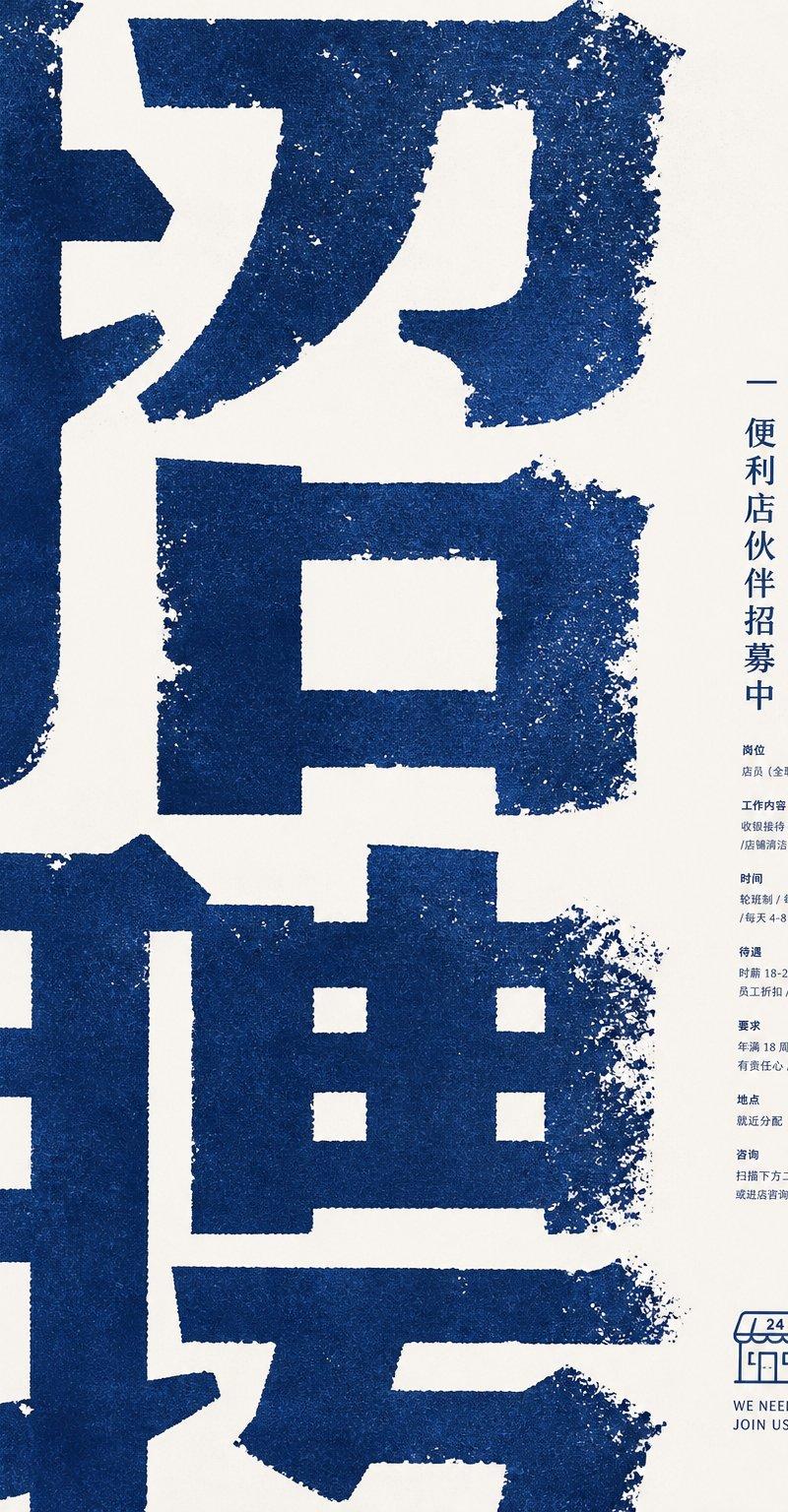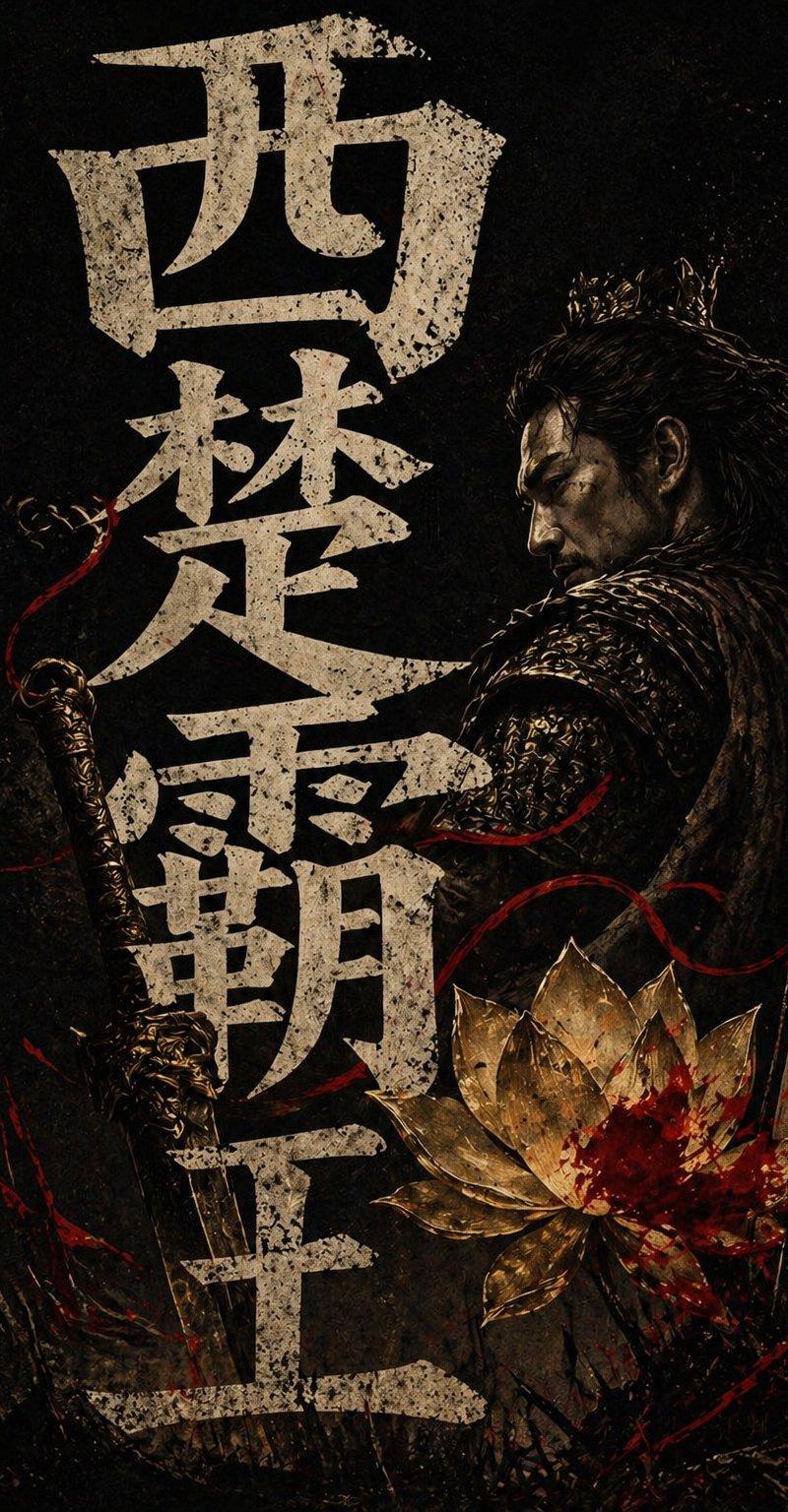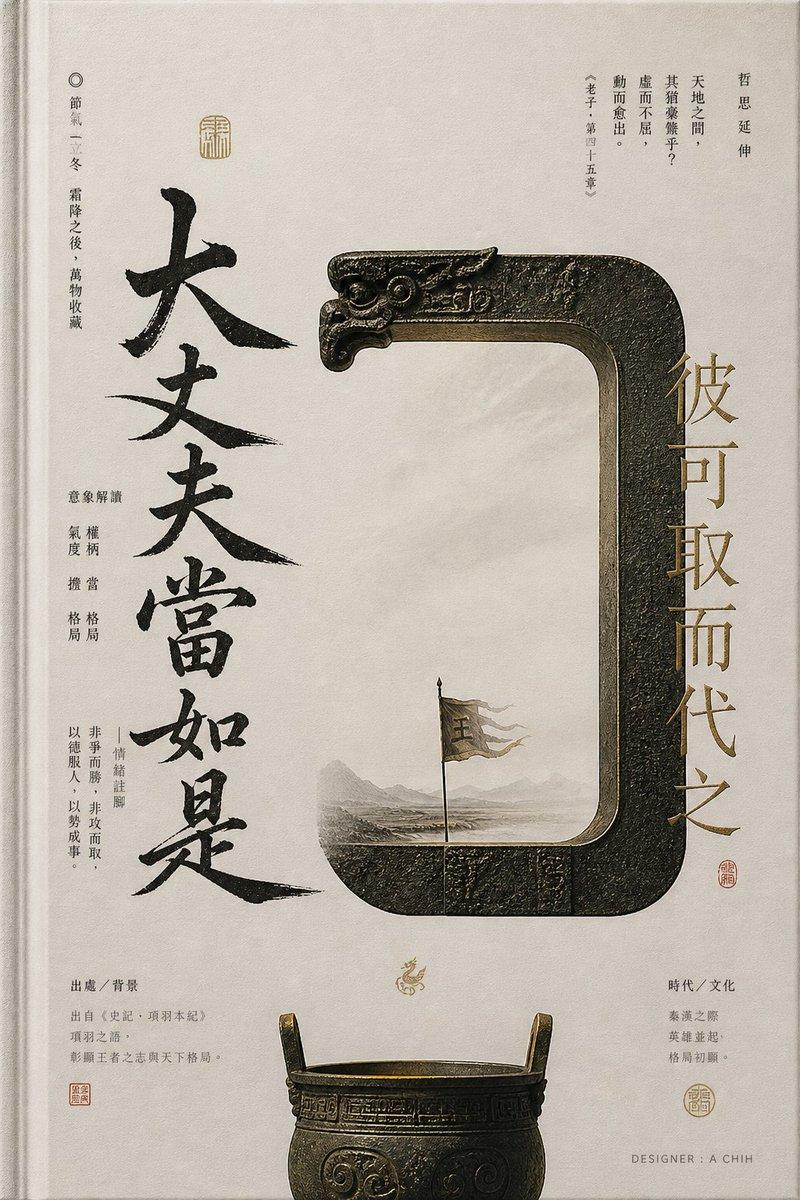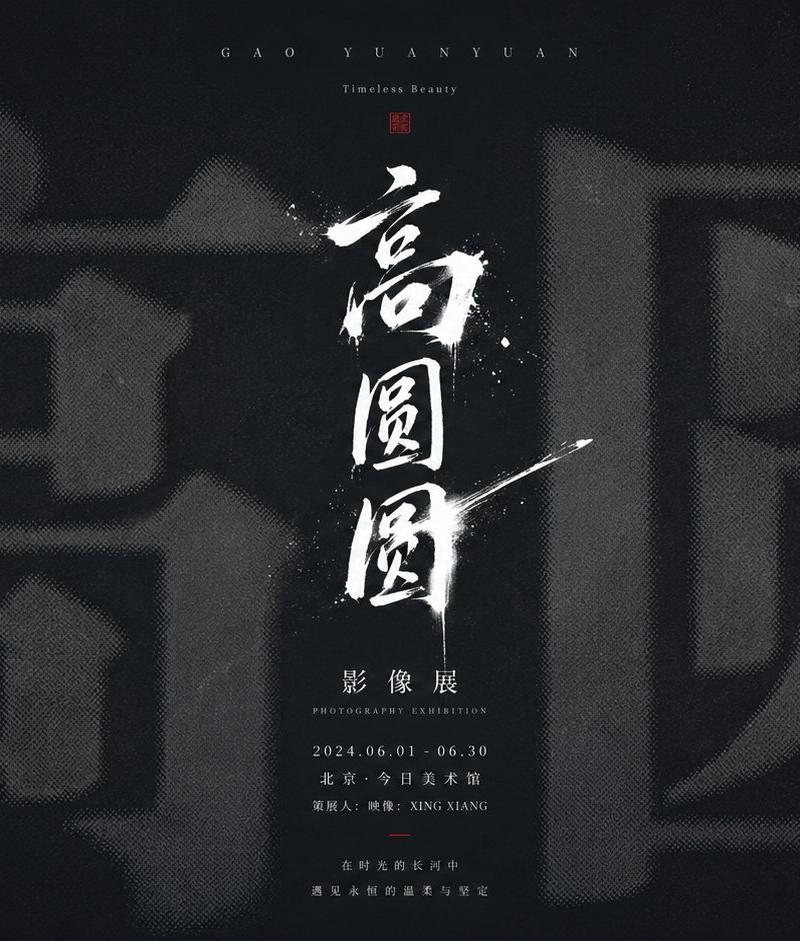
柳岩冷峻肃穆展览感信息视觉海报
Prompt
Generate a cold, solemn, and exhibition-style information visual around the subject Liu Yan: The image uses a large area of low-brightness theme base color as a structural field, with the base color extracted from the history, material, or emotion of the subject, maintaining a dominant relationship that is deep and clean, low saturation, and with little hue interference; in the background, an extremely enlarged core glyph, symbol, or information form of the theme is placed, making it occupy the main visual weight, but it recedes into the depths of the background through out-of-focus, halftoning, softened edges, and slight diffusion processing, forming a first-impression impact of being first suppressed by volume and then gradually recognized. In the center, a high-brightness, sharp, and strongly handwritten theme symbol or title stroke is superimposed, like a short and accurate white light cutting into the blurred giant shape; the lines have writing speed, ink breaks, and vertical tension, becoming the clearest focus of the entire image. The text system establishes a quiet order along the central axis, with sparse small English or Pinyin-style information at the top as a calm introduction, a small amount of clear titles in the middle to press down on the focus, and compact small text, dates, signatures, locations, or descriptions at the bottom to form a rhythmic decrease, with restrained letter spacing and stable line spacing, and information accurately placed like an archive. Color roles shift with the theme: the background undertakes the quiet structure, the giant background information uses a low-contrast grayscale slightly brighter than the background or a dark theme color, the central handwritten symbol and key text use the clearest high-brightness information color, and a small amount of logos or details can use derived theme emphasis colors as a finishing touch; the overall feel remains calm and precise, clean and low saturation, with clear light and dark levels and a weak grain texture, avoiding a decorative illustration feel, letting the overlay relationship between blurred weight and sharp writing become the main memory point. Subject: Liu Yan. Aspect ratio 16:9.
- Category
- Charts & Infographics
- Model
- ChatGPT
- Creator
- @xiaoxiaodong01
- Source language
- zh-CN
- Source ID
- 16021
- Published
- Jun 16, 2026
Views49