皮卡丘荒诞灭绝展
Prompt
Nano Banana Pro Template:
A single prompt turns [Pikachu] into a stone-carved micro-museum of its own absurd extinction moment.
One prompt to fossilize a beloved Pokémon at the exact split-second everything goes hilariously wrong — cute skeleton pose, petrified catastrophe carved into the same stone, a tiny archival photo of its last living moment, and JP+CN typography floating like relic labels. Just pick who deserves their "funny extinction" exhibit and let the scene write its own tragicomedy.
[1] 杰尼龟
[2] 小火龙
[3] 妙蛙种子
[4] 皮卡丘
Prompt ⬇️
A lifelike 3D cartoon miniature of a fossilized [Pokemon], frozen at the exact split-second of its funny extinction (Funny Extinction Pose at the moment everything goes wrong), exhibited with warm, soft museum lighting. Center the miniature scene in the composition. dramatic tone.
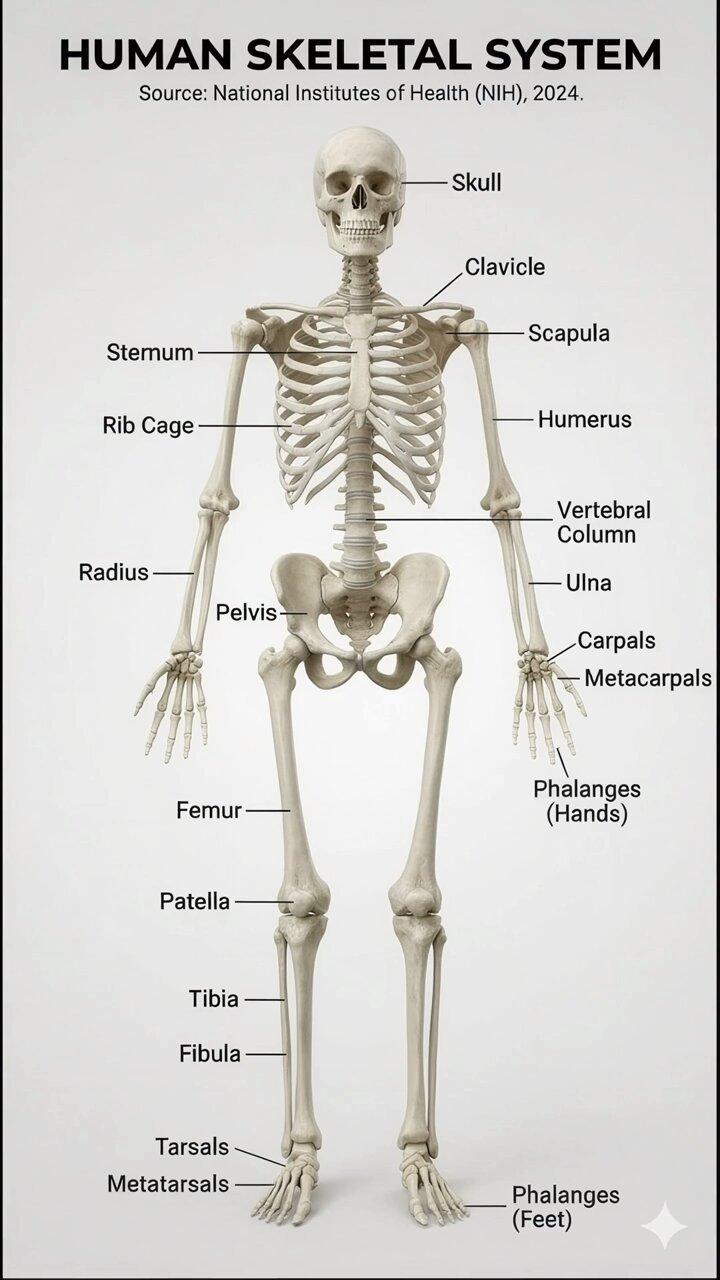
The body is no longer fleshy: it is a stylized, cute SKELETON made of matte bone and sandstone, treated as the main readable shape. The skull, spine, ribcage, pelvis, arms and legs must be clearly exposed in open air, with most of the ribcage and limb bones directly visible and separated from the surrounding stone. Never wrap the torso inside a solid boulder, armor or large rock casing; only small, broken fossil plates may cling to the bones or lie on the base as fragments. The surface of the bones feels naturally aged with fine cracks and tiny chips. Add subtle atmosphere: very fine petrified sand dust lifted by gentle wind, creating delicate weathering effects that enhance the scene's sense of frozen time.
Fossil physics: fully mineralized into a single petrified sculpture. Only solid, opaque materials allowed: bone-like mineral, rock, or sedimentary stone. All organic matter (flesh, plants, cloth) and non-solid elements (liquids, gases, energy) must appear as stylized stone carvings—frozen motion captured in solid form, sharing the same matte texture and color family. All materials follow real-world fossilization principles: complete mineralization, uniform opacity, static form.
Environment: the fossil inhabits a dramatized petrified scene—a small theatrical moment carved from stone that tells the extinction story. The ground naturally integrates with the fossil, both carved from the same stone family, forming a unified sculpture rather than "figure on pedestal." Include iconic elements that hint at the catastrophe while keeping the skeleton as primary focus. All terrain features stay lifelike with varied height and silhouettes, never a flat platform. Set in extremely clean background: soft, solid-colored or gently graded backdrop (dark, always less bright than the fossil), with only a faint vignette. Lighting: sourceless, ambient illumination with very soft rim light along fossil contours and subtle bounce across surfaces—soft, diffuse museum-quality light that wraps evenly. NEVER show any lighting equipment in frame.
Small archival photo beside the base: a real vintage photograph showing the exact same pose and scene, but all alive as photographed creature with film grain and natural imperfections. Square-shaped, postcard-sized, sepia or monochrome, framed in a simple carved stone frame that matches the base material, slightly out of focus.
Render: refined but naturally weathered fossil textures (matte bone, porous stone) with realistic PBR materials and soft shading. intricate, delicate details, visible micro-cracks, eroded edges, and partially hollow cavities where soft tissue used to be. SSS texture:true.
View: isometric, high poly.
Typography (front view, floating):
- Top-center: a decorative Japanese title "ポケモン name" in a large, stylized font.
- Each letter appears as its own carved stone piece, with small gaps between characters — never a single connected relief or extrusion
Warm matte finish, soft beveled edges, real depth and weight
- Light surface weathering that echoes the extinction scene
- Below the diorama: a small footnote paragraph in plain text: a single, concise Chinese paragraph explaining a character-appropriate extinction cause — about 3 sentences, reflective and slightly uncanny. Requirements:
- A logic that makes sense, but with a touch of dramatic absurdity; avoid cliché story beats
- Automatic line wrapping. No background plate
Note: Web grounding first
Avoid: [freshly organics, glass, over-saturated, underexposed, pale color, plastic or resin, glossy shine, mirror-like reflections].
ar=1:1
[Pokemon] =
- Category
- Photography & Realism
- Model
- Nano Banana Pro
- Creator
- Jerlin
- Source language
- zh-CN
- Source ID
- pikachu-absurd-extinction-exhibition
Views0