20

动作序列:角色发动首次攻击

Prompt
the character launches into the first attack, spinning into a high kick that sends one clone staggering backward into a fence. He immediately flips backward, lands on his feet, and ducks under another clone’s punch, sweeping his leg to knock it off balance. the
Category
Characters & People
Model
seedance-2.0
Creator
日安然Holland
Source language
en
Views0
Source ID
583
Published
Feb 23, 2026
Studio

Guide

About "动作序列:角色发动首次攻击"

What is this prompt for?

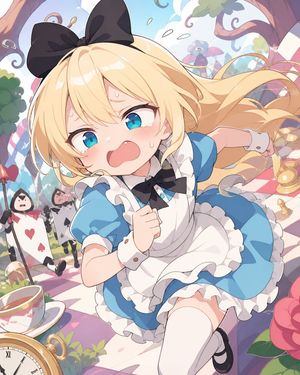
"动作序列:角色发动首次攻击" AI image prompt for seedance-2.0 (Characters & People). 一段基于文本的提示,描述了一个详细的动作序列:一个角色踢出高踢腿,向后翻转,然后扫倒一个克隆体的腿,使其失去平衡。这似乎是用于视频生成的脚本或动作描述。 Copy it on…

The full copyable prompt and example visuals above are ready for AI image generation or one-click recreate in Picva.

How to use this prompt

  1. Step 1

    Open the prompt detail

    Review the example visuals, category, and full prompt text for "动作序列:角色发动首次攻击".

  2. Step 2

    Copy the prompt

    Copy the prompt body from this page, or load it directly in Studio.

  3. Step 3

    Pick a model (seedance-2.0)

    Prefer seedance-2.0. If you switch models, keep subject and composition and tweak style terms.

  4. Step 4

    Generate and export

    Recreate the look in Picva, or export into your workflow for editing and publishing.

FAQ

What is the "动作序列:角色发动首次攻击" prompt?
It is an AI image-generation prompt for seedance-2.0 in the Characters & People category. This page includes the full prompt text, example visuals, and a one-click recreate path in Picva.
How do I use this prompt to generate an image?
Copy the prompt from this page, or use Generate / Studio. Paste it into a compatible image model, or recreate the look in Picva with optional reference images.
Which model is this prompt for?
This page lists seedance-2.0. Most descriptive prompts also transfer to nearby image models such as GPT Image, Flux, or Midjourney with light style tweaks.
Can I use the result commercially?
You can usually copy the prompt for creation, but commercial use of the final image depends on the model terms, reference-image rights, and the generated content. Follow the source author and platform rules.