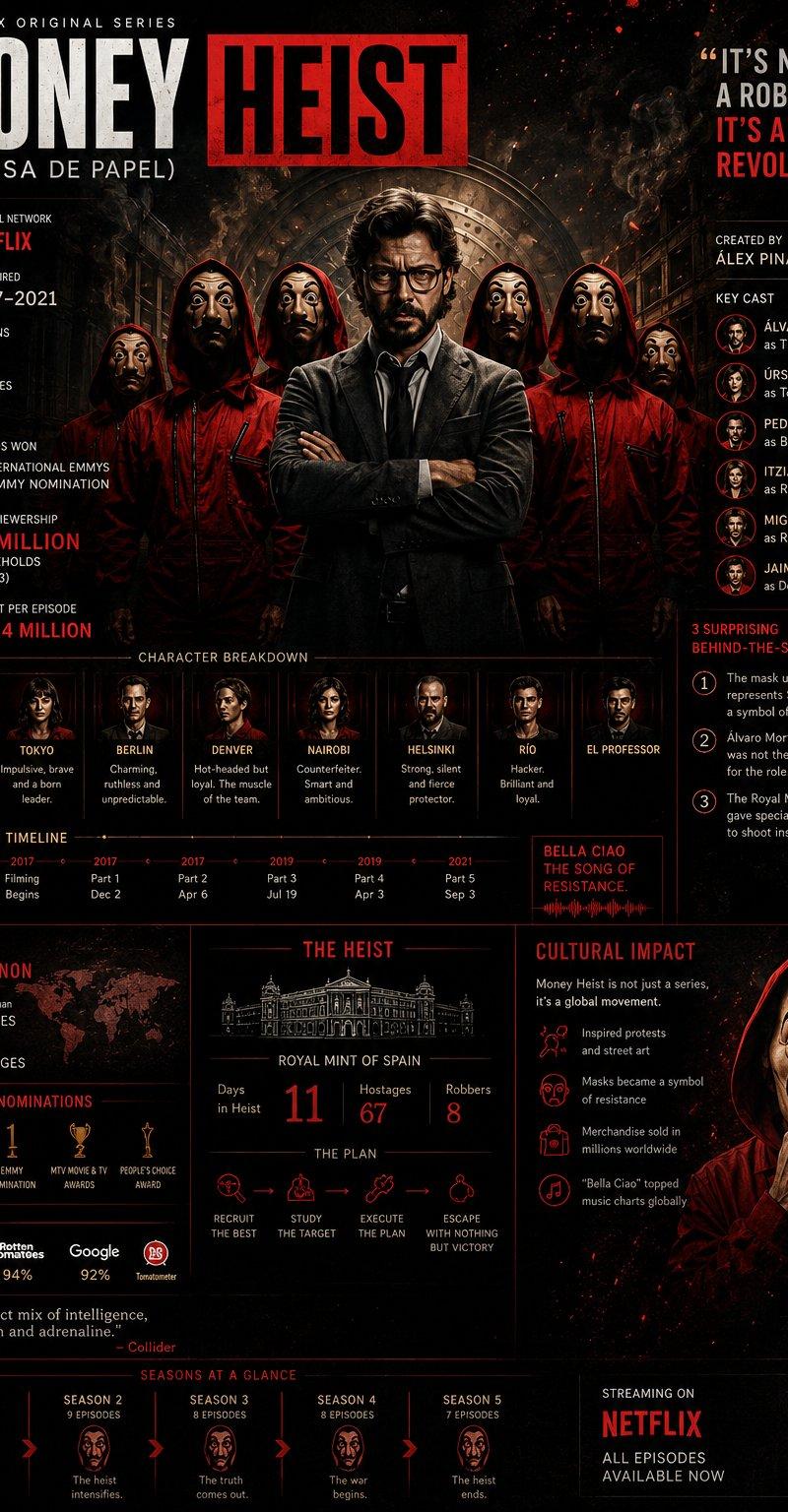
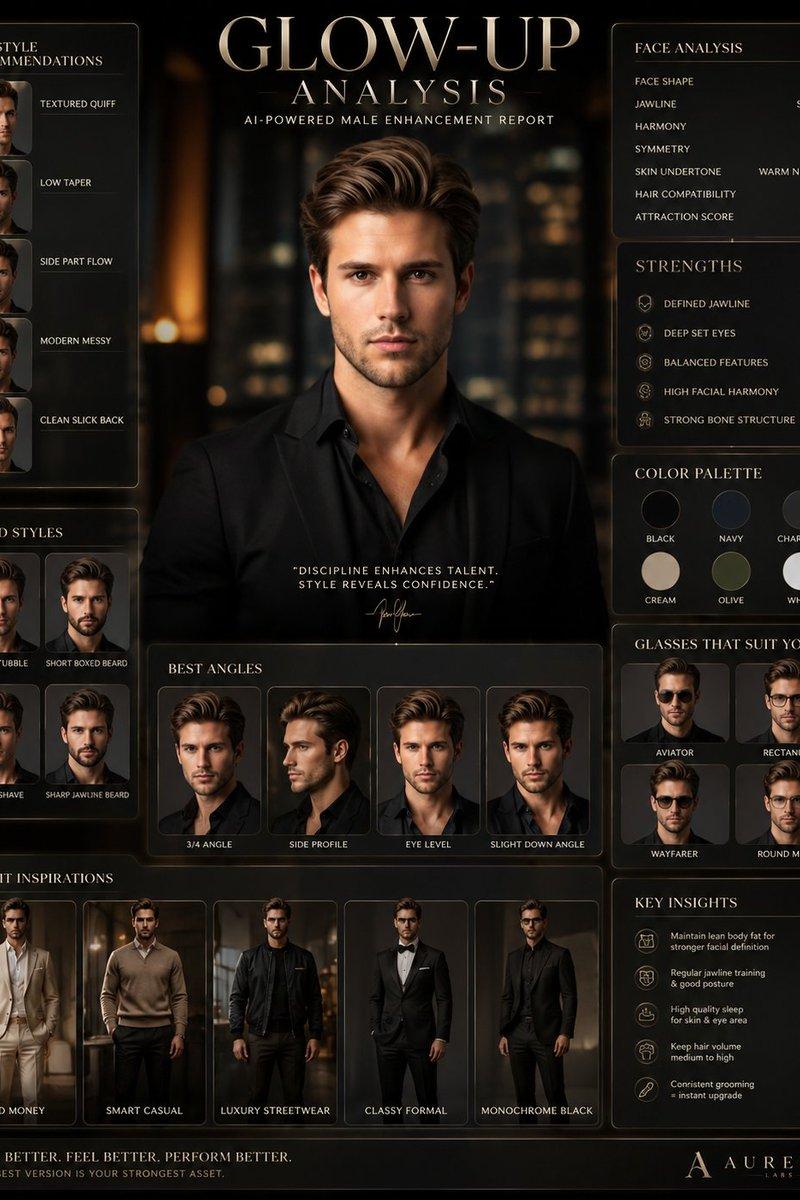
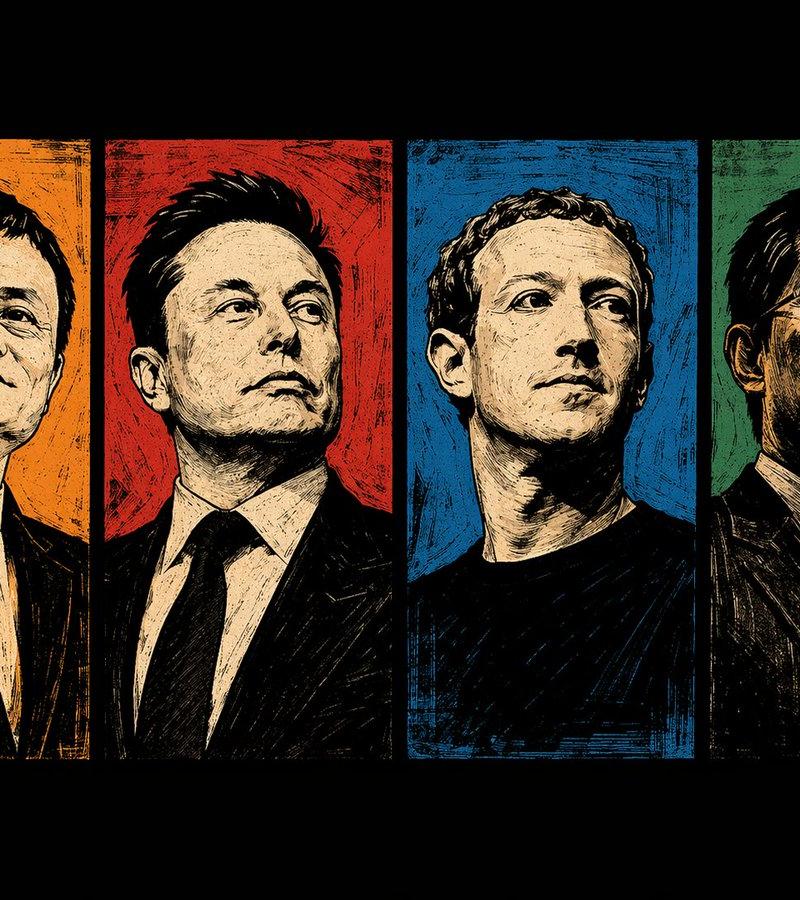
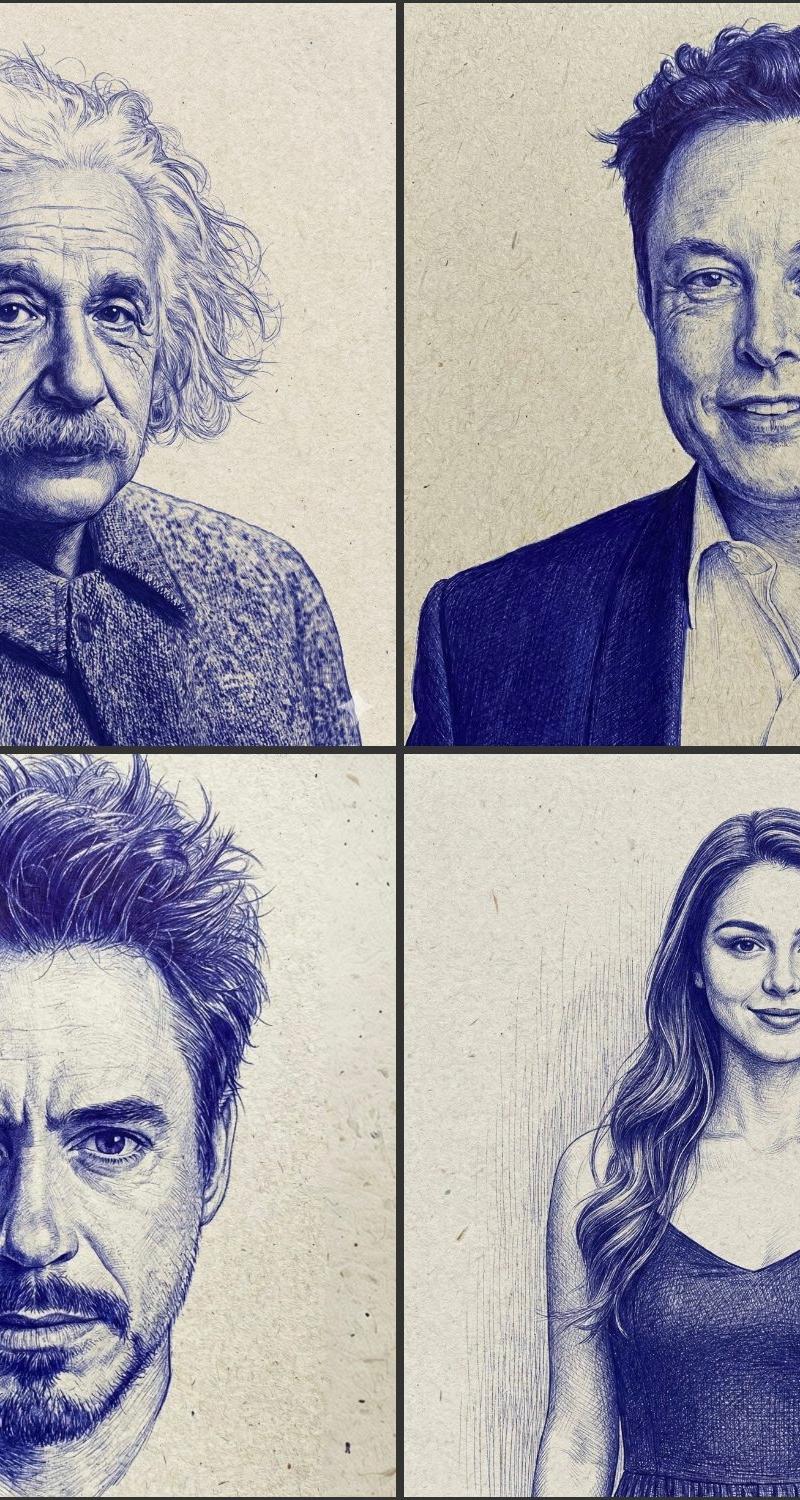
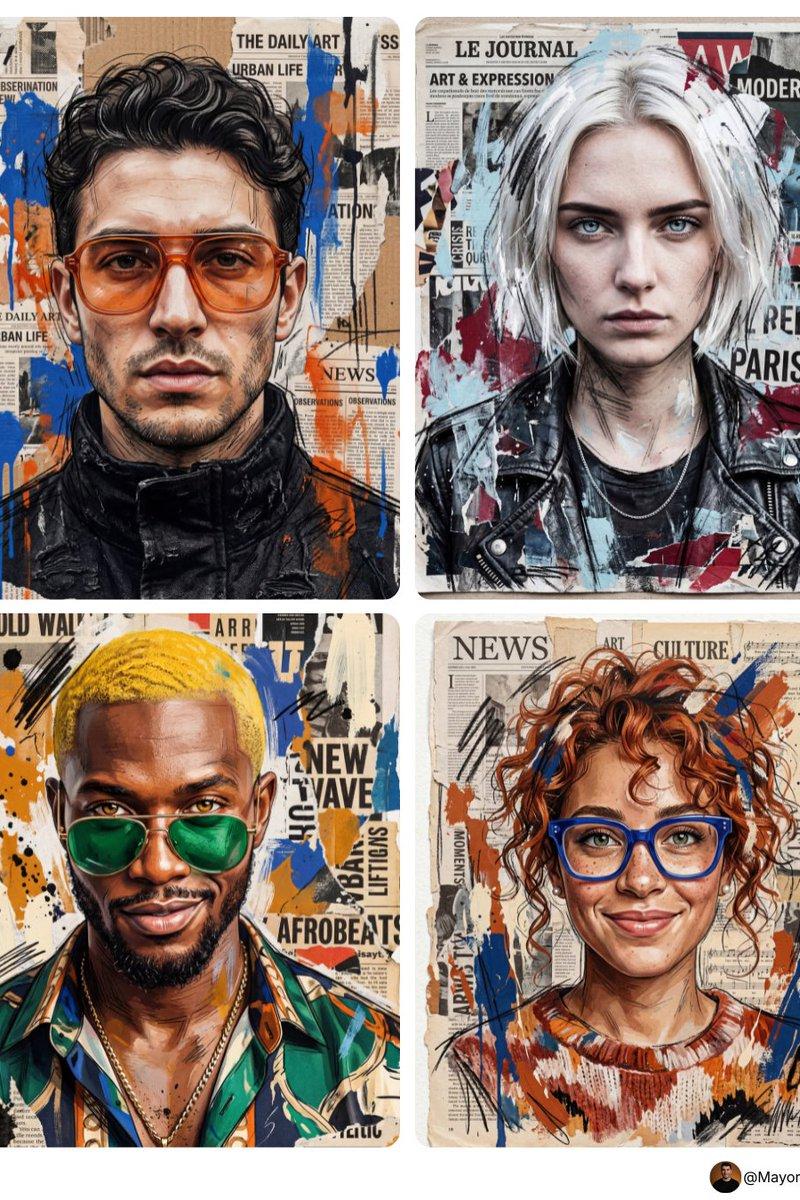
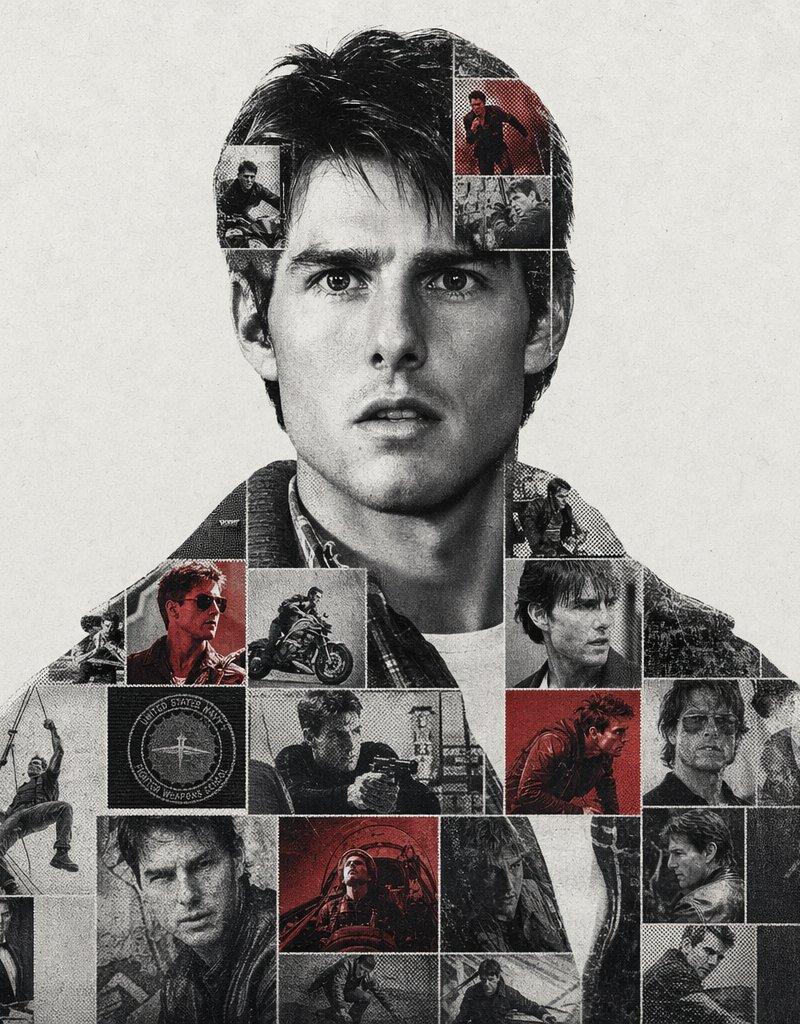
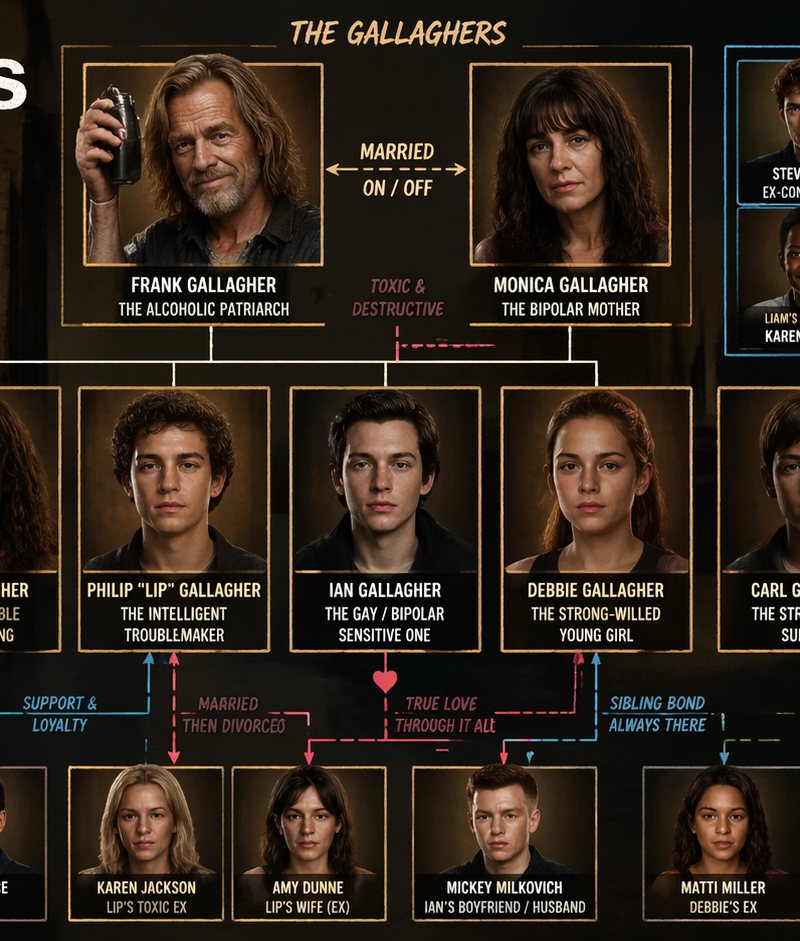
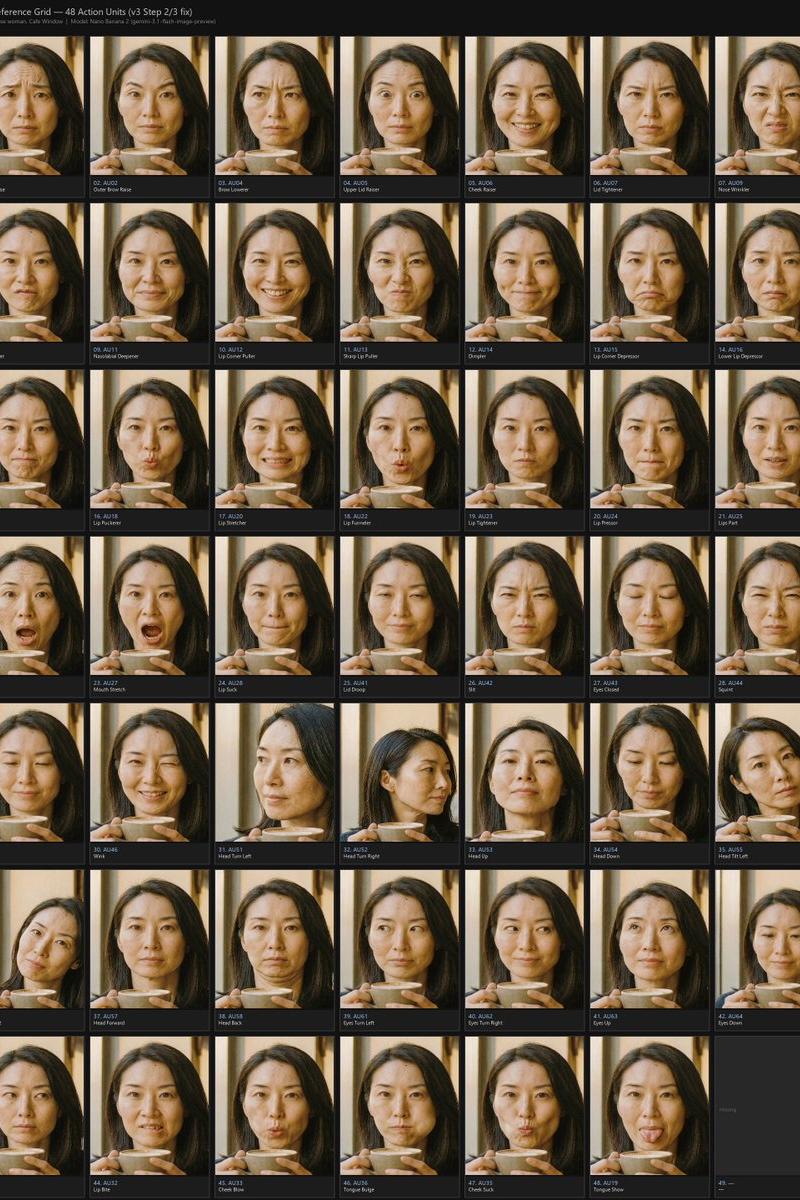
Create a high-contrast, cinematic graphic design poster inspired by the TV serie
Prompt
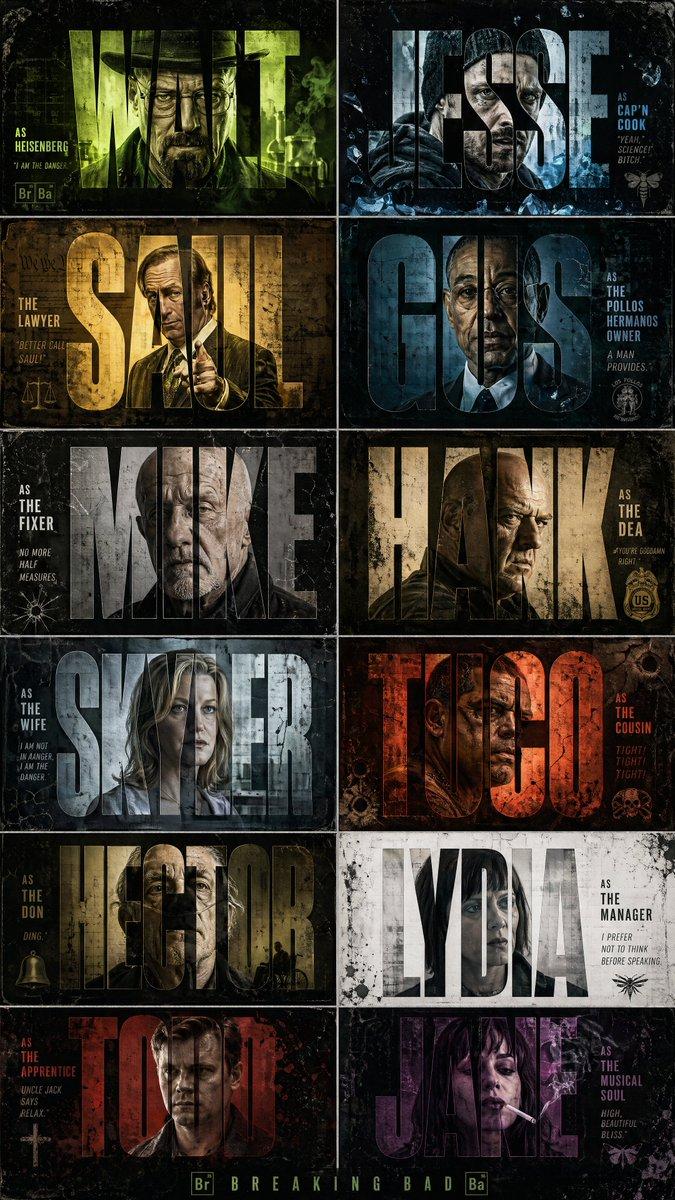
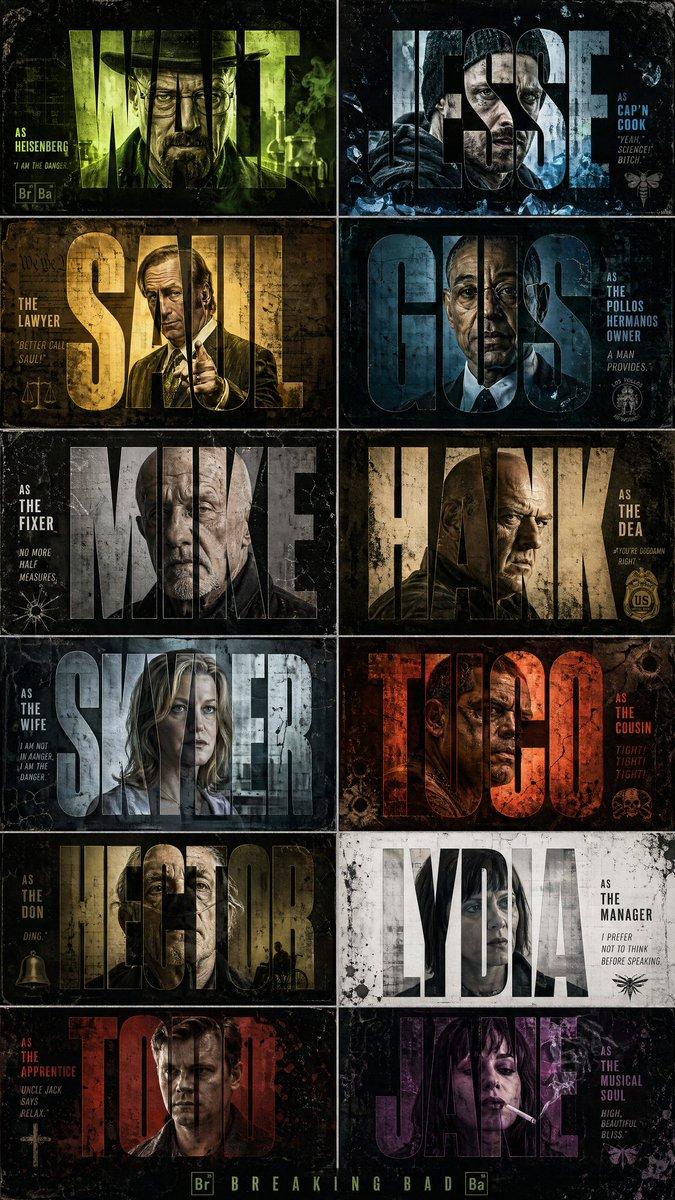
Create a high-contrast, cinematic graphic design poster inspired by the TV series Breaking Bad, featuring a 2x6 vertical grid of twelve distinct title-card panels showcasing iconic characters from the show. The aesthetic should blend Urban Grunge with crime-thriller intensity, using distressed textures, film grain, and bold typography masking effects. Each panel should prominently feature a massive extra-bold sans-serif name such as WALT, JESSE, SAUL, GUS, MIKE, HANK, SKYLER, TUCO, HECTOR, LYDIA, TODD, and JANE, with the character portrait visible only inside the filled letterforms using a clipping/masking silhouette-window effect. Add smaller cinematic credit text beside or below the names in clean typography, such as “AS HEISENBERG”, “THE LAWYER”, or “THE FIXER.” Characters should have gritty, realistic portraits with intense or emotionless expressions, featuring iconic looks: Walter White in hat/glasses, Jesse Pinkman in hoodie/beanie, Saul Goodman in flashy suit, Gus Fring in formal attire, Mike Ehrmantraut bald with stern face, and Hank in DEA style. Use high-contrast dramatic studio lighting with rim lights and shadows; selectively add green chemical-lab glow, neon cyan, magenta, and amber highlights to certain cards. Backgrounds in each panel should feel unique but cohesive: weathered concrete, rusted metal, cracked walls, wrinkled paper, and smoky meth-lab atmospheres. Overlay heavy ink splatters, paint drips, brush strokes, scratches, scan lines, dust, film burns, and grain for a distressed cinematic look. The overall palette should use dark green, toxic neon lime, monochrome greys, deep charcoals, dirty yellows, and off-whites, with accent pops like a glowing green haze behind Walter, red-orange behind Tuco, blue meth-crystal highlights around Jesse, and sterile white tones around Lydia. The final result should look like a premium Netflix-style crime drama cast poster with a raw, edgy, highly stylized graphic design aesthetic.
- Category
- Posters & Typography
- Model
- GPT Image 2
- Creator
- xie underwood
- Source language
- en
- Source ID
- 2260
- Published
- Apr 26, 2026
Views212