20

历史时期设计对比
Enlarge

历史时期设计对比

Prompt
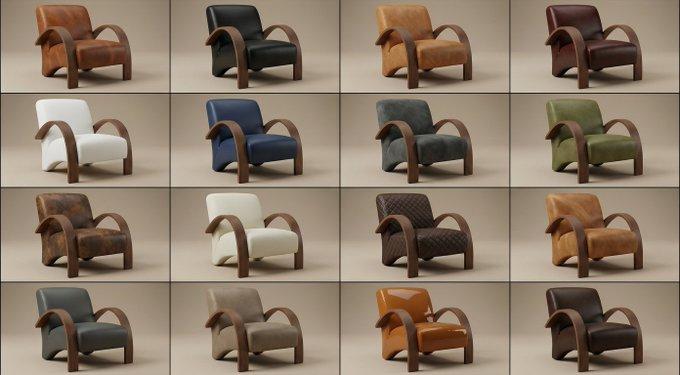
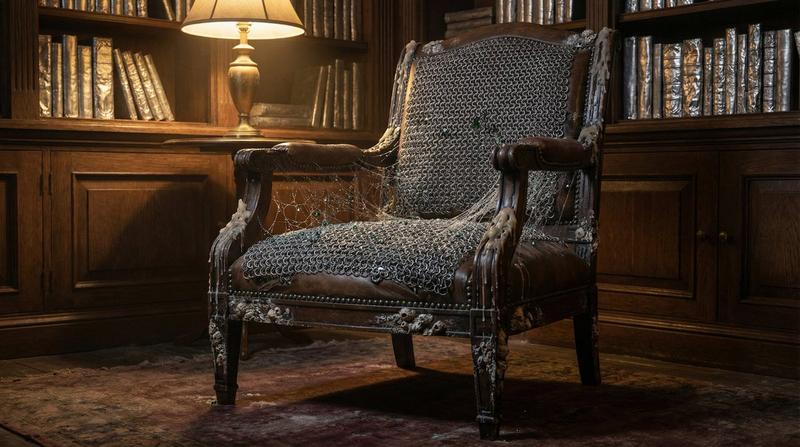
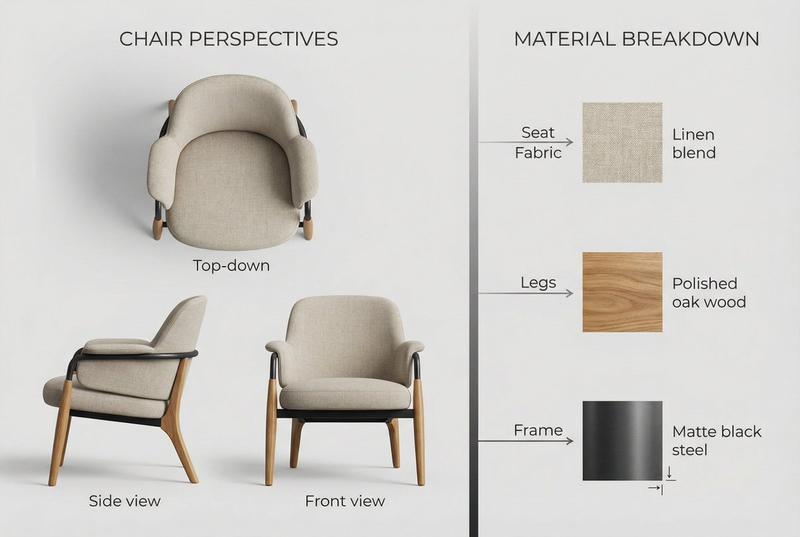
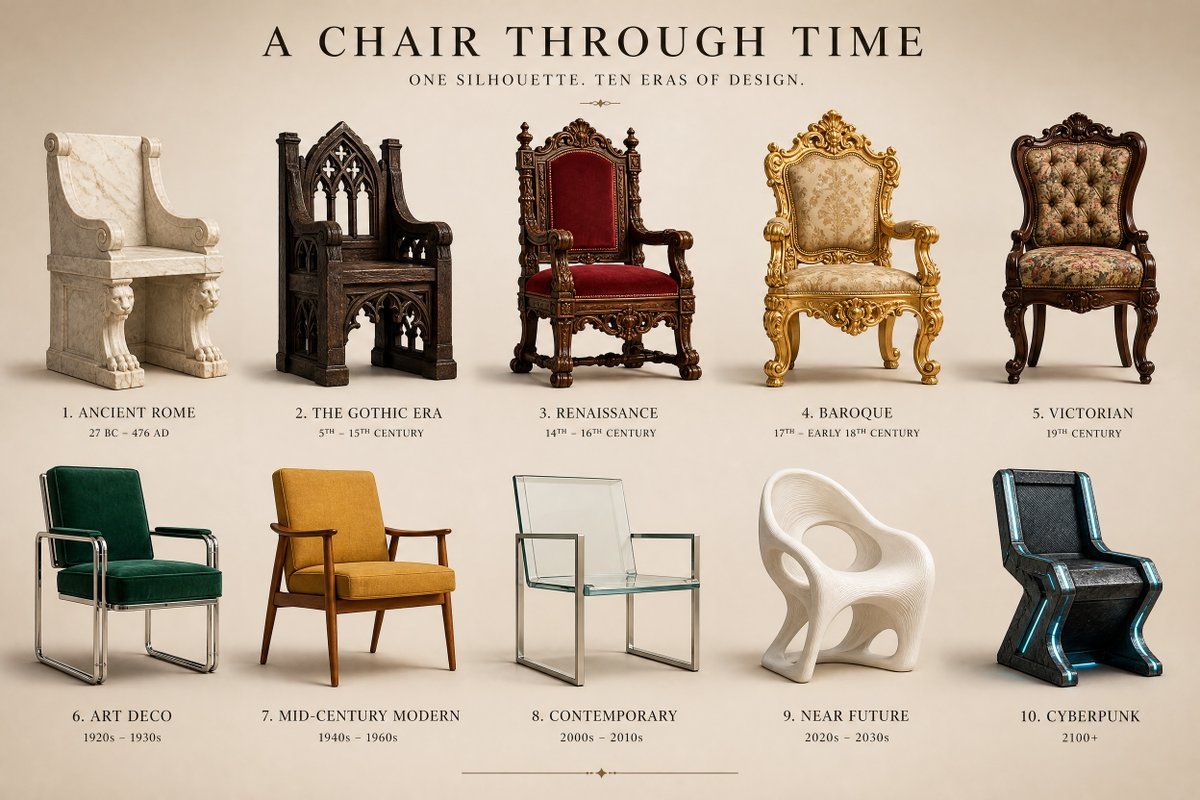
Show the {argument name="subject" default="same chair"} redesigned across {argument name="number of eras" default="10"} historical eras, from {argument name="start era" default="Ancient Rome"} to cyberpunk future, in one clean comparison grid with readable era labels
Category
Creative Use Cases
Model
GPT Image 2
Creator
getimg.ai
Views3
Source ID
22732
Published
May 26, 2026

Guide

About "历史时期设计对比"

What is this prompt for?

"历史时期设计对比" AI image prompt for GPT Image 2 (Creative Use Cases). 一个用于可视化展示物体在不同历史时期演变的提示词,从古罗马到赛博朋克未来。 Copy it on Picva and recreate the look in one click.

The full copyable prompt and example visuals above are ready for AI image generation or one-click recreate in Picva.

How to use this prompt

  1. Step 1

    Open the prompt detail

    Review the example visuals, category, and full prompt text for "历史时期设计对比".

  2. Step 2

    Copy the prompt

    Copy the prompt body from this page, or load it directly in Studio.

  3. Step 3

    Pick a model (GPT Image 2)

    Prefer GPT Image 2. If you switch models, keep subject and composition and tweak style terms.

  4. Step 4

    Generate and export

    Recreate the look in Picva, or export into your workflow for editing and publishing.

FAQ

What is the "历史时期设计对比" prompt?
It is an AI image-generation prompt for GPT Image 2 in the Creative Use Cases category. This page includes the full prompt text, example visuals, and a one-click recreate path in Picva.
How do I use this prompt to generate an image?
Copy the prompt from this page, or use Generate / Studio. Paste it into a compatible image model, or recreate the look in Picva with optional reference images.
Which model is this prompt for?
This page lists GPT Image 2. Most descriptive prompts also transfer to nearby image models such as GPT Image, Flux, or Midjourney with light style tweaks.
Can I use the result commercially?
You can usually copy the prompt for creation, but commercial use of the final image depends on the model terms, reference-image rights, and the generated content. Follow the source author and platform rules.