动态风格切换的嘻哈舞者
Prompt
Each frame can change clothing and visual style independently. Do not maintain outfit or style continuity.

Ultra-realistic cinematic video, 15s, 24fps.

A female dancer performs hip-hop choreography, including a smooth moonwalk.
Her body movement must remain smooth, natural, and continuous throughout.

CAMERA:
Dynamic handheld energy camera swings, slight shake, crash zoom in/out, fast push-ins, and orbits around the dancer, following her movement rhythm.

CORE ACTION:
She dances confidently, centered in frame, full-body visible, strong rhythm and expressive movement.

CHAOS TRANSFORMATION (VERY HIGH SPEED):
Clothing AND visual style change extremely fast (near every frame flicker).

CLOTHING:
Every frame = new trendy outfit (no repetition, no blending):
- modern streetwear
- layered urban outfits
- edgy fashion looks
- contemporary performance wear

STYLE TRANSFORMATION (identity preserved):
Rapidly shift between unique visual styles:

- realistic human rendering
- anime-style rendering
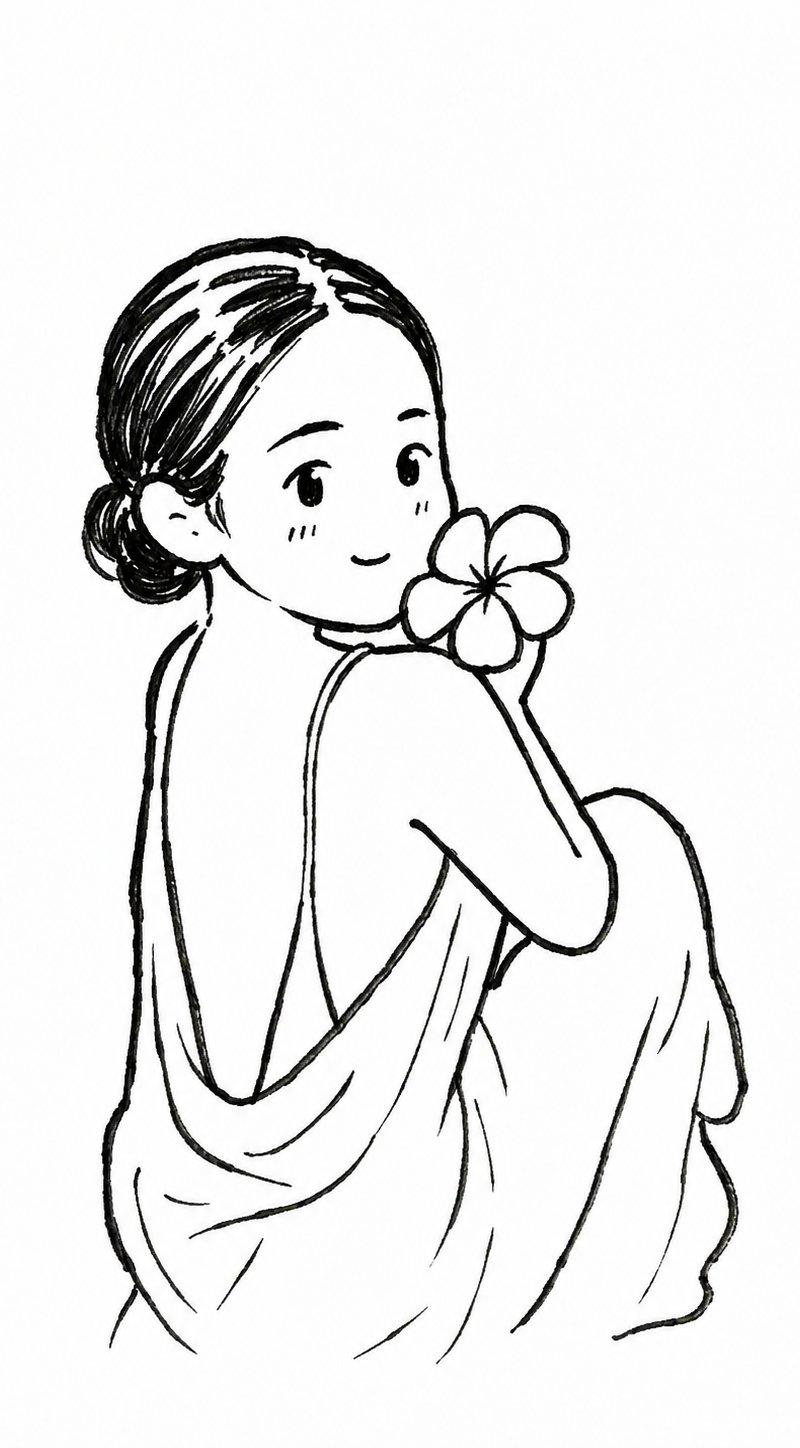
- minimal continuous line art
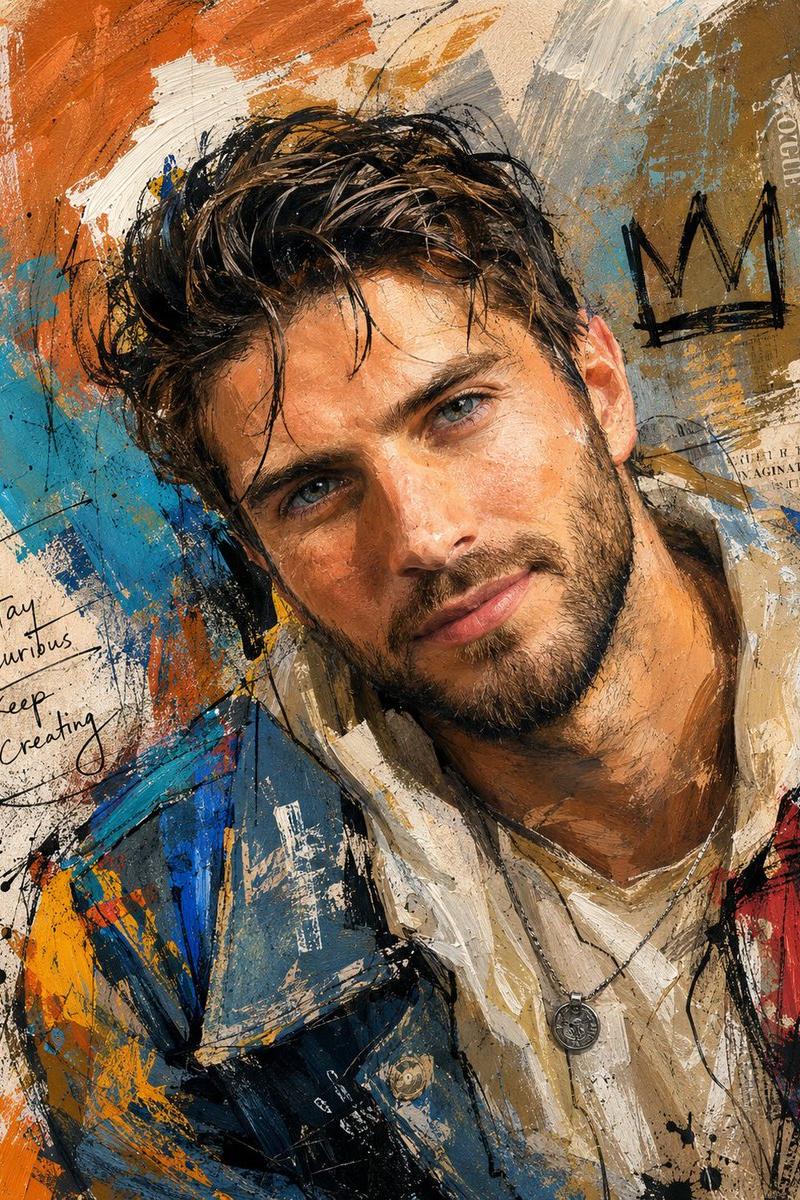
- watercolor wash illustration
- inked comic style (bold outlines, graphic shading)
- soft pastel illustration
- textured digital painting
- rough sketch drawing style
- marker illustration style
- paper cut-out collage style
- clay-like sculpted look
- low-poly geometric 3D
- neon outline silhouette style
- glitch-outline graphic style (clean, non-distorting)
- storybook illustration style
- hand-painted brush style
- chalkboard drawing style
- airbrush gradient illustration
- silhouette shadow art style

STYLE BLENDING BURSTS:
Occasionally combine 2–3 styles in a single frame (e.g., line art + watercolor, comic + low-poly, sketch + digital paint) for brief visual bursts.

CRITICAL:
Her facial features, proportions, and identity must remain consistent across all styles.
Only rendering style and clothing change NOT the person.

SYNC:
Style and outfit changes align tightly with dance rhythm and camera motion.

VISUAL FEEL:
Hyper-fast flicker, energetic but clean and readable. No distortion or warping of body.

LIGHTING:
Dynamic studio lighting adapting to style changes.

CONSTRAINTS:
- body motion must remain perfectly continuous
- no pose resets
- no face distortion or identity change
- only clothing and visual style change rapidly
- no text, no logos
- Category
- Brand & Logos
- Model
- seedance-2.0
- Creator
- madpencil_
- Source language
- en
- Source ID
- 3210
- Published
- Apr 14, 2026
Views0




![[Character] in his iconic pose, [Universe Name], standing on a shattered rock ba](https://whqgdndlpxjbwosvipip.supabase.co/storage/v1/render/image/public/prompt-source-media/promptsref/work-43965/image-1-c1a7c6acb20a7434.png?width=800&quality=75)