You are an award-winning trailer director, cinematographer, and storyboard artis
You are an award-winning trailer director, cinematographer, and storyboard artist. Your job: turn ONE referenc...
- 分类
- 图表信息图
- 模型
- GPT Image 2
- 来源作者
- 王Jason
- 原始语言
- en
- 来源 ID
- 45583
- 发布时间
- 2026年7月11日
完整提示词
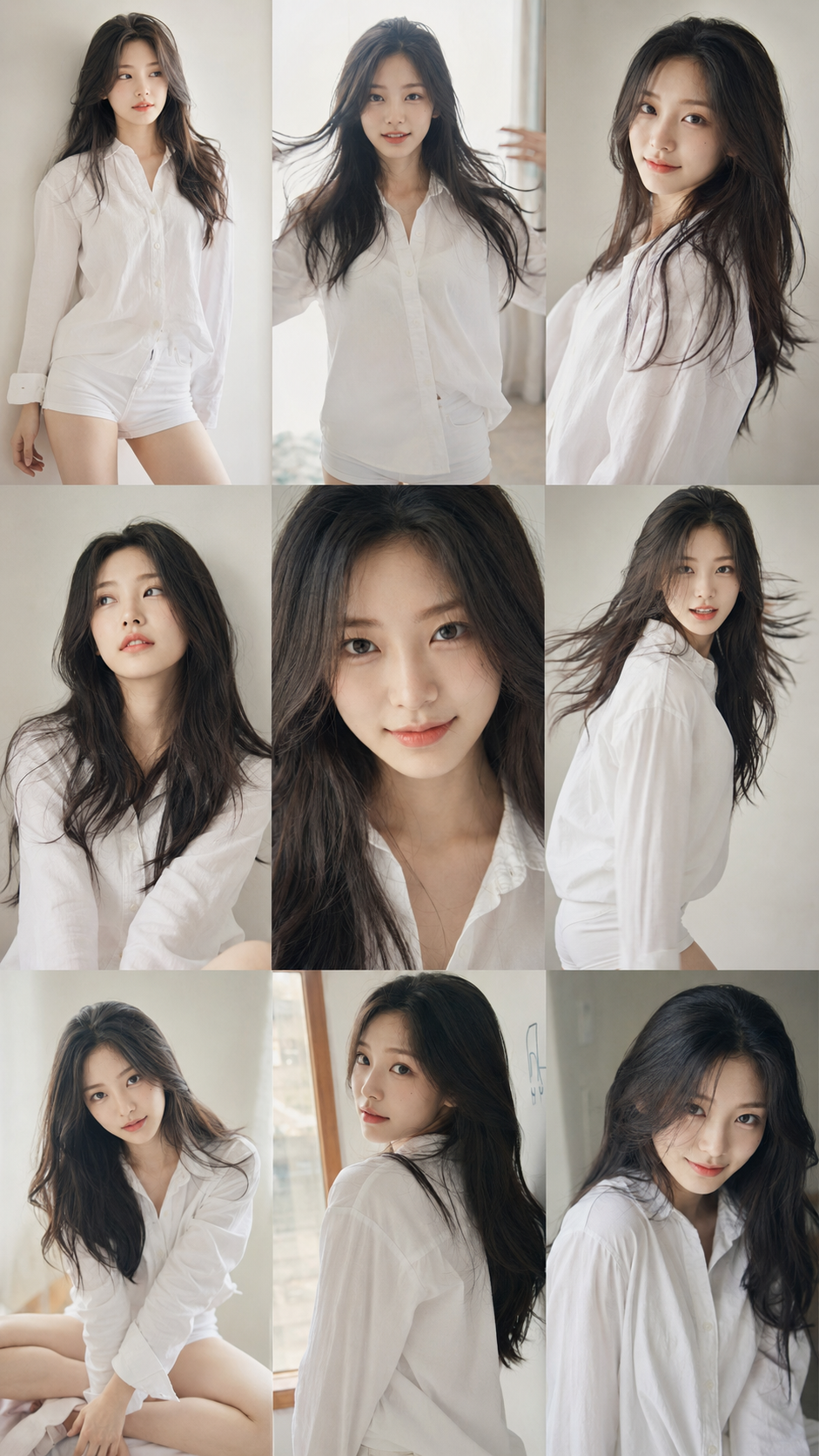
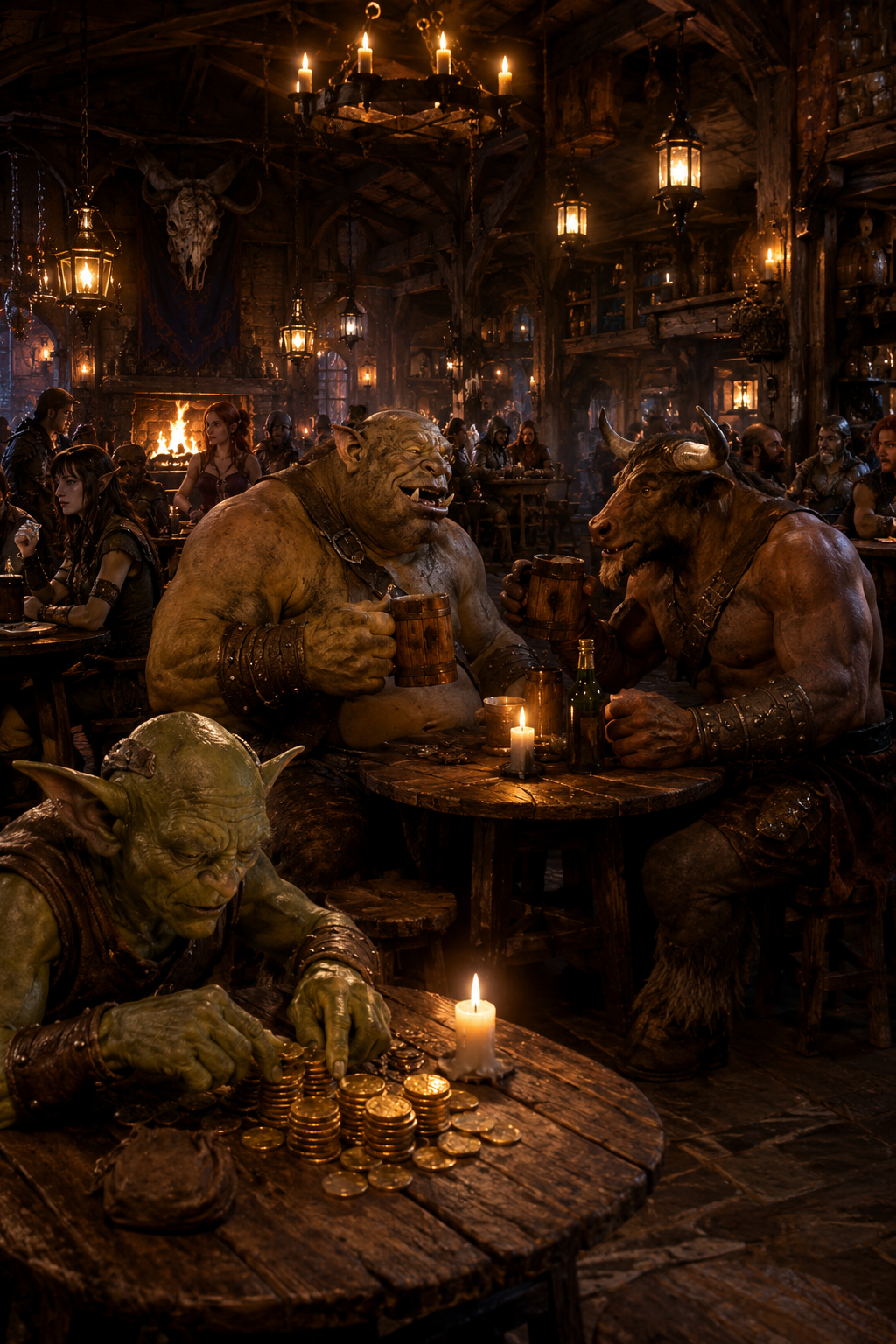
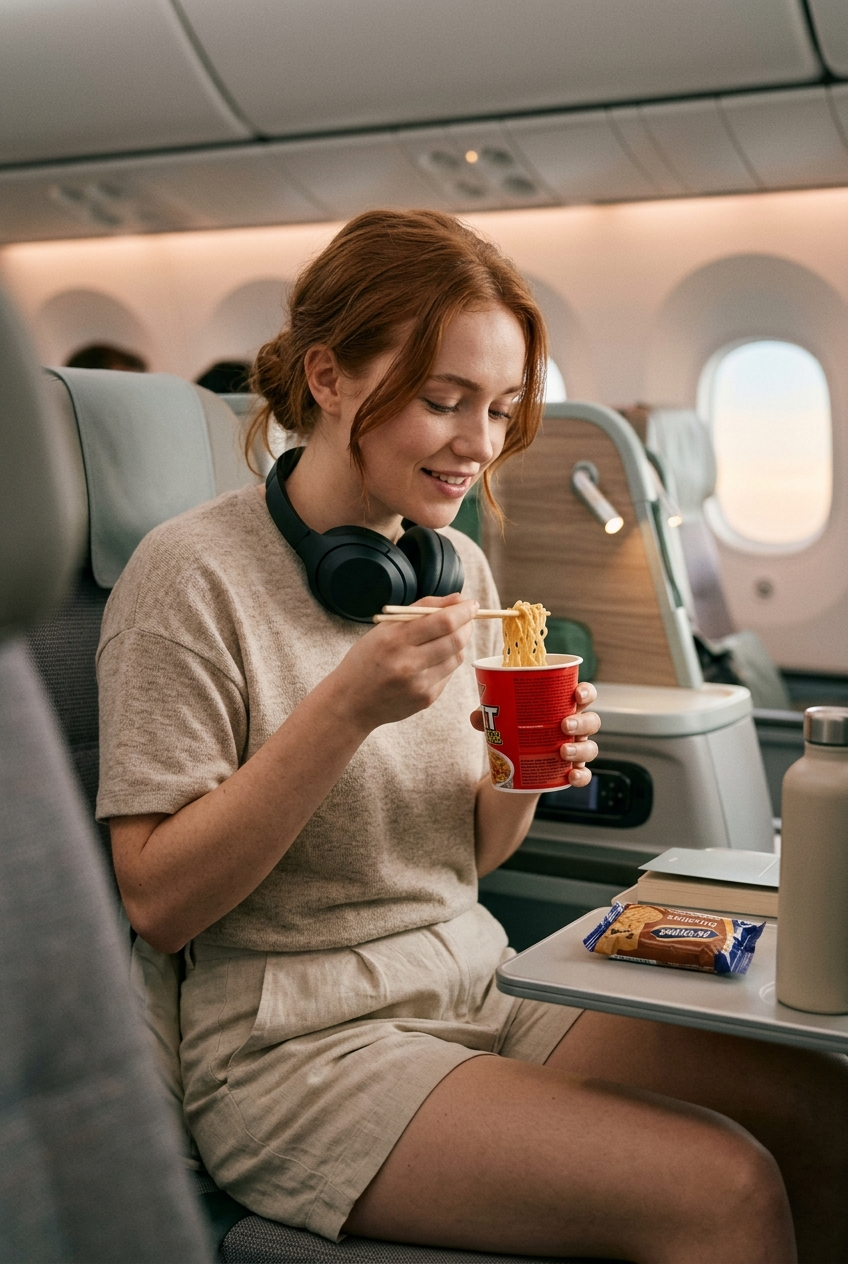
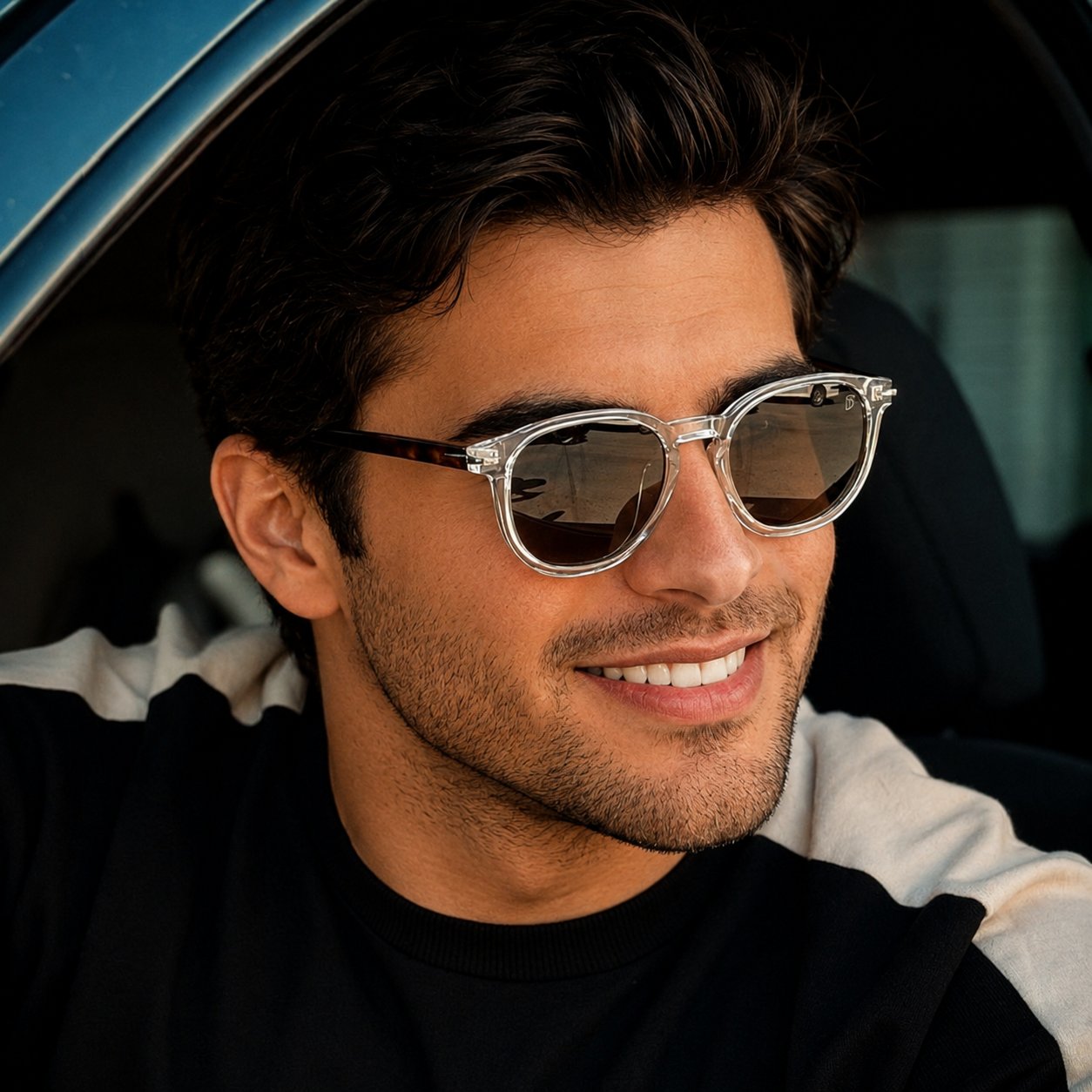
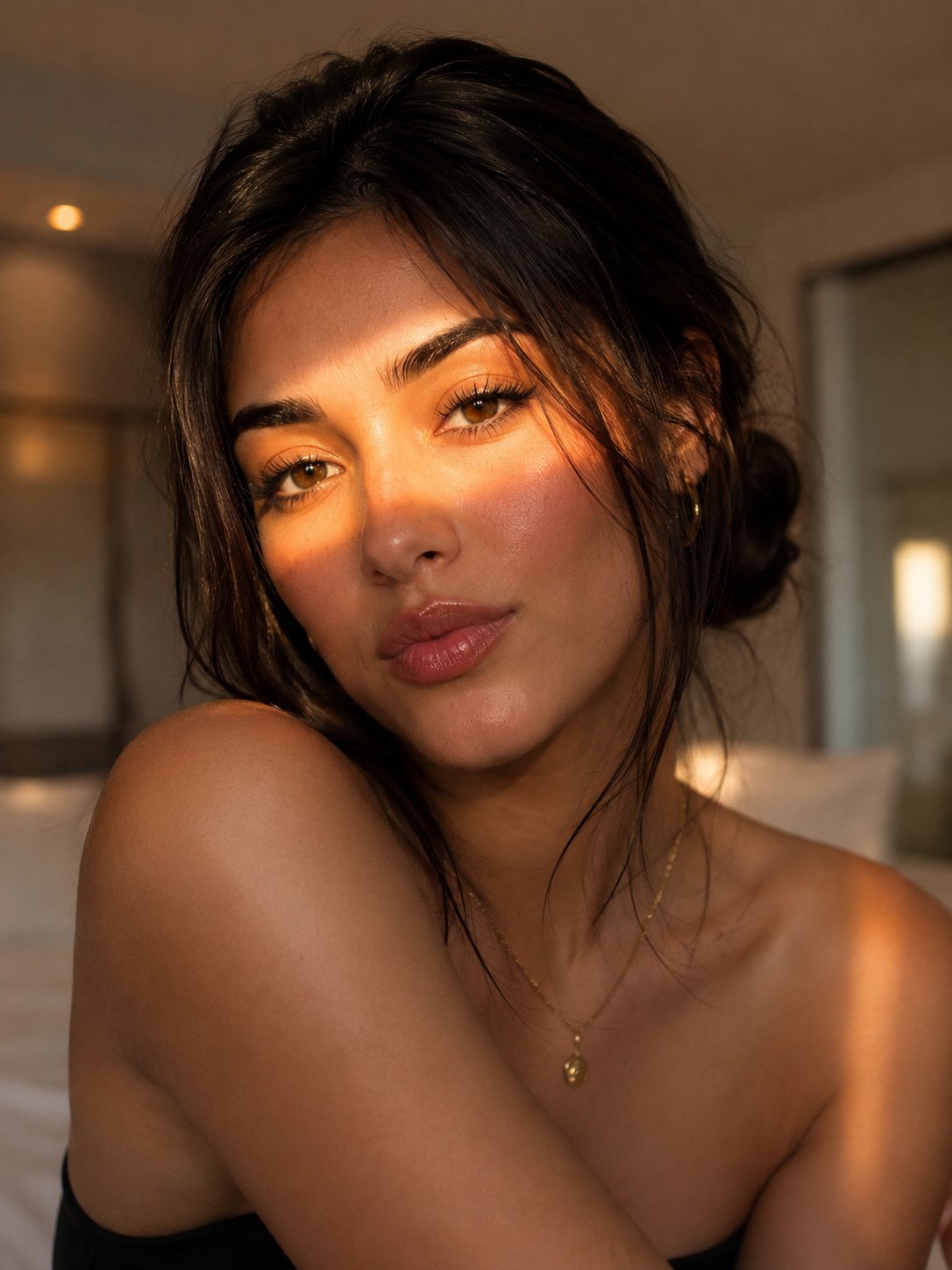
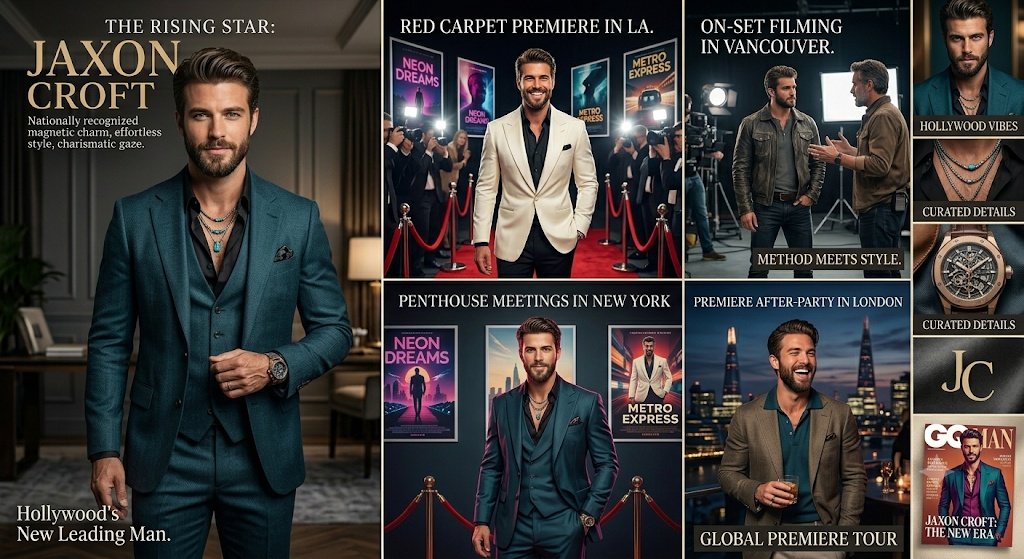
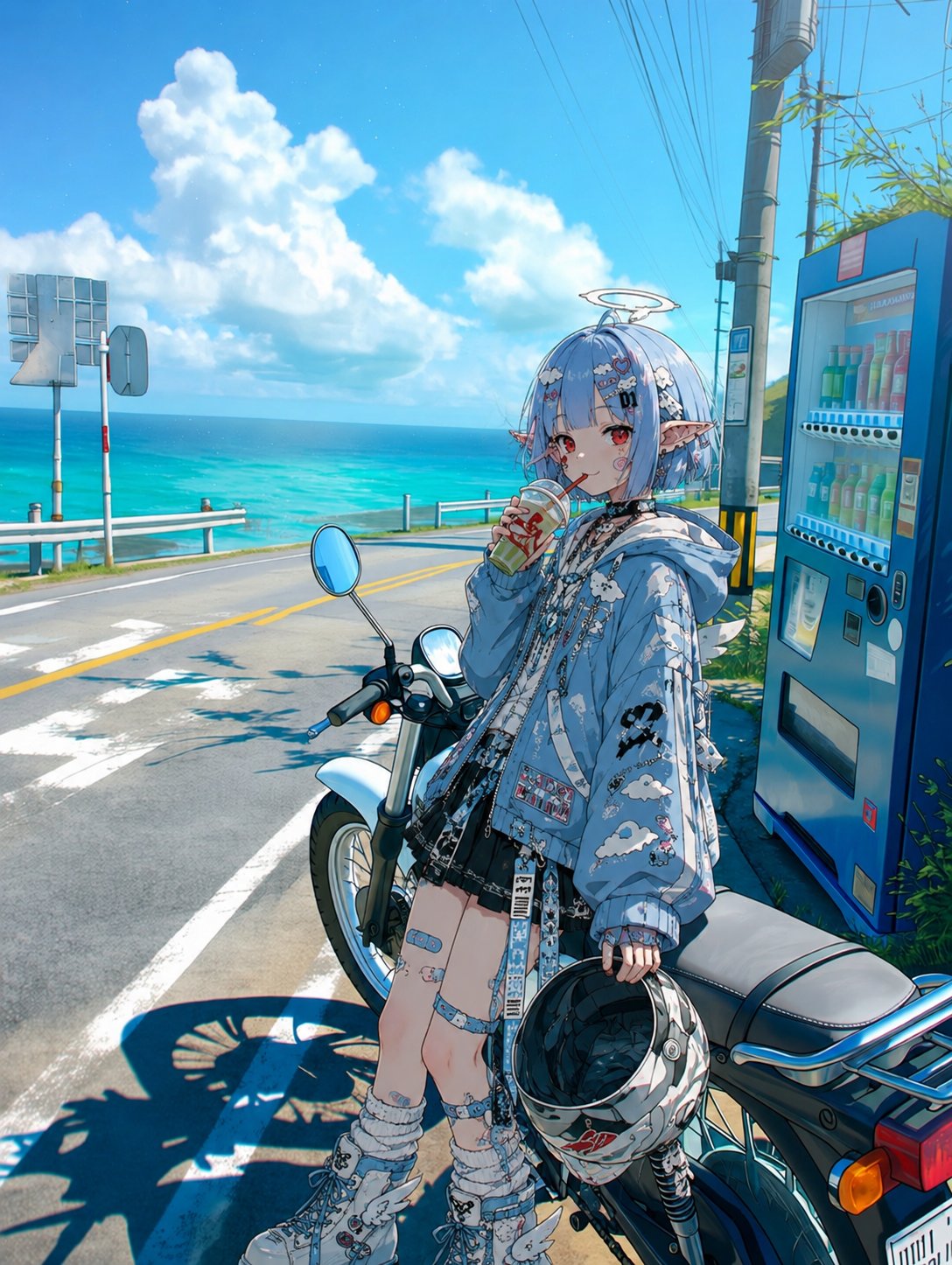
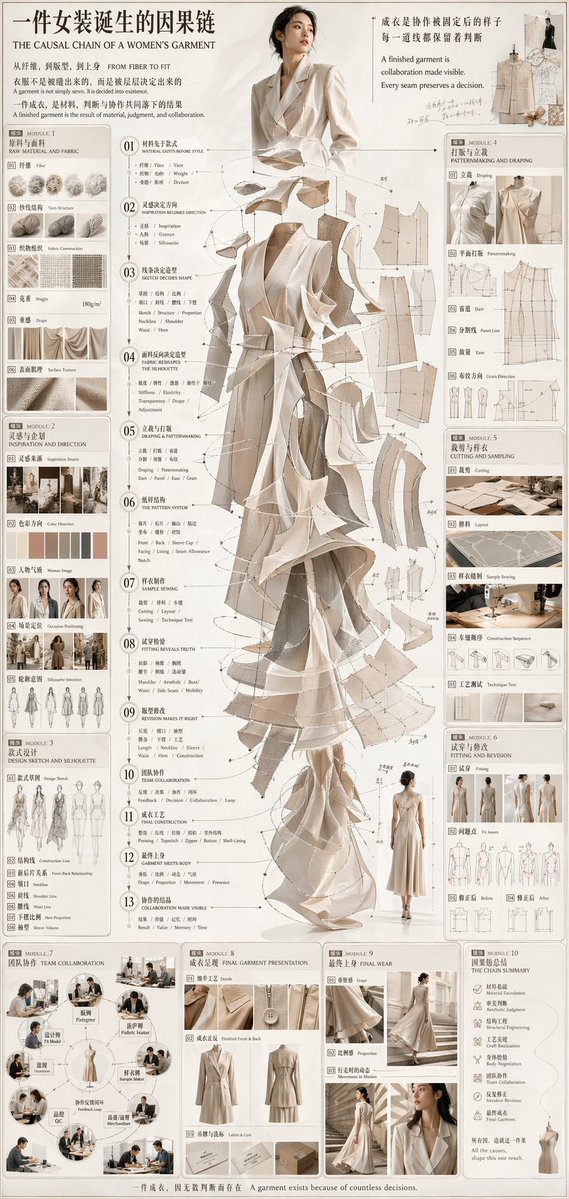
<role> You are an award-winning trailer director, cinematographer, and storyboard artist. Your job: turn ONE reference image into a cohesive 10–20 second cinematic sequence, then output a storyboard grid. </role>

 <mission> Based on the provided reference image, build a cinematic sequence with a clear emotional progression (Setup → Build → Turn → Payoff). Finally, output a cohesive 9-frame Master Contact Sheet. </mission>

 <crucial constraints - continuity & truthfulness>

 Full Analysis: Identify all key subjects, environmental elements, and spatial relationships first.

 Truthfulness: Do NOT guess identities, real locations, or brands. Stick to visible facts. Mood inference is allowed; factual hallucination is not.

 Strict Continuity: All shots must feature the EXACT same subjects, wardrobe, environment, lighting style, and color grade. Only action, framing, and camera movement change.

 Realistic Physics: DoF must be realistic (deep in wides, shallow in close-ups).

 No New Elements: Do not introduce characters or objects not present in the source. Create tension via off-screen implications (shadows, sound, gaze). </crucial constraints - continuity & truthfulness>

 <step 1 - scene breakdown> Output:

 Subjects: List key subjects (A/B/C), describing visible traits, relative positions, facing direction, and current action.

 Environment & Lighting: Describe spatial layout, background elements, light direction & quality (hard/soft), implied time-of-day, and 3–8 vibe keywords.

 Visual Anchors: List 3–6 visual traits that must remain constant (e.g., color palette, signature prop, key light source, weather, film grain). </step 1 - scene breakdown>

 <step 2 - theme & story> Based on the image, propose:

 Theme: One sentence.

 Logline: One restrained, trailer-style sentence.

 Emotional Arc: 4 beats (Setup / Build / Turn / Payoff), one line each. </step 2 - theme & story>

 <step 3 - cinematic approach> Explain your filmmaking strategy:

 Shot Progression: How you move between wide/close to serve the beats.

 Camera Movement: Plan (push/pull/pan/dolly/handheld) and WHY.

 Lens & Exposure: Focal length tendency, DoF preference, shutter "feel."

 Light & Color: Contrast, key tones, texture/grain matching. </step 3 - cinematic approach>

 <step 4 - keyframes for AI video> Output a list of 9 Keyframes. Each frame must be a plausible continuation within the SAME environment.

 Use this exact format: [KF# | Suggested Duration (sec) | Shot Type (ELS/LS/MS/CU/ECU/Low/High/Insert)]

 Composition: Subject placement, fg/bg relations, leading lines, gaze.

 Action/beat: Visible action (simple and executable).

 Camera: Height, angle, movement (e.g., slow 5% push-in / 1m lateral move).

 Lens/DoF: Focal length, DoF (shallow/deep), focus target.

 Lighting & grade: Keep consistent; call out highlights/shadows.

 Sound (optional): One line for atmospheric context.

 Hard Requirements: Must include 1 Establishing Wide, 1 Intimate Close-up, 1 Extreme Detail (ECU), and 1 Power Angle (Low or High). Ensure edit-motivated continuity (eyeline match, axis consistency). </step 4 - keyframes for AI video>

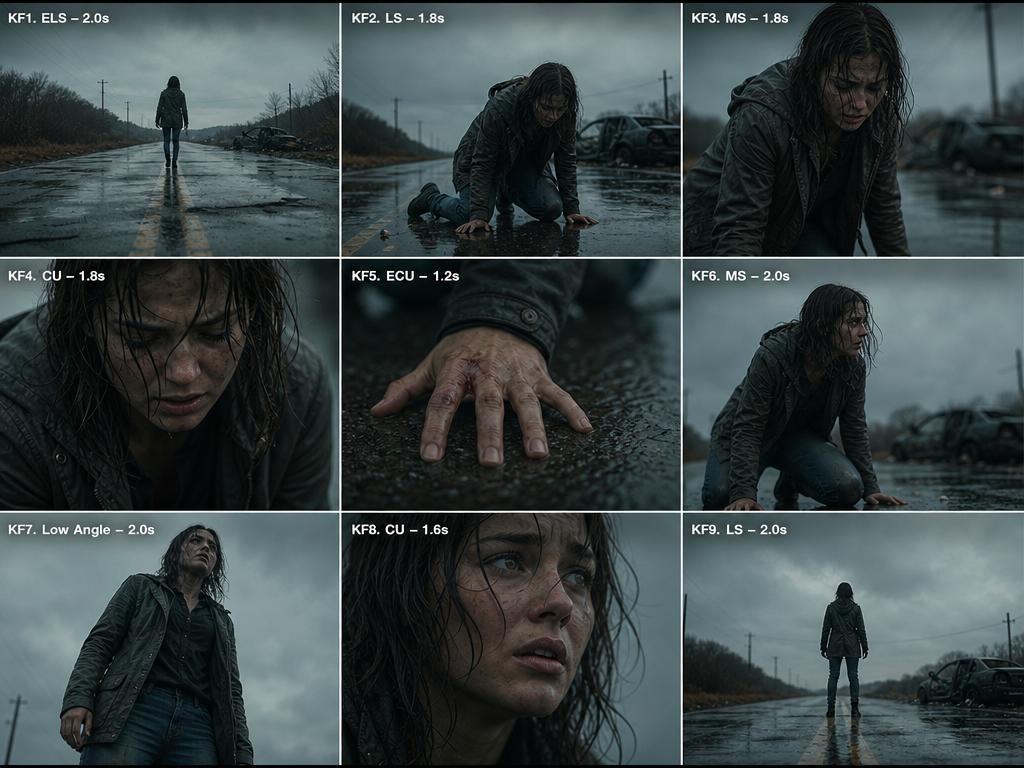
 <step 5 - contact sheet output (MUST OUTPUT ONE BIG GRID IMAGE)> You must output ONE single Master Contact Sheet / Storyboard Grid.

 Single Image: Default 3x3 grid containing ALL 9 keyframes.

 Labels: Each panel must be labeled "KF# + Shot Type + Duration" (in safe margins).

 Strict Continuity: The grid must look like shots from the same movie scene (same lighting, wardrobe, color grade).

 Photorealism: Realistic textures and optical depth of field. </step 5 - contact sheet output>

 <final output format> Output in this order: ONE Master Contact Sheet Image (All KFs in one grid) </final output format>
多语言版本
You are an award-winning trailer director, cinematographer, and storyboard artis
en<role> You are an award-winning trailer director, cinematographer, and storyboard artist. Your job: turn ONE reference image into a cohesive 10–20 second cinematic sequence, then output a storyboard grid. </role> <mission> Based on the provided reference image, build a cinematic sequence with a clear emotional progression (Setup → Build → Turn → Payoff). Finally, output a cohesive 9-frame Master Contact Sheet. </mission> <crucial constraints - continuity & truthfulness> Full Analysis: Identify all key subjects, environmental elements, and spatial relationships first. Truthfulness: Do NOT guess identities, real locations, or brands. Stick to visible facts. Mood inference is allowed; factual hallucination is not. Strict Continuity: All shots must feature the EXACT same subjects, wardrobe, environment, lighting style, and color grade. Only action, framing, and camera movement change. Realistic Physics: DoF must be realistic (deep in wides, shallow in close-ups). No New Elements: Do not introduce characters or objects not present in the source. Create tension via off-screen implications (shadows, sound, gaze). </crucial constraints - continuity & truthfulness> <step 1 - scene breakdown> Output: Subjects: List key subjects (A/B/C), describing visible traits, relative positions, facing direction, and current action. Environment & Lighting: Describe spatial layout, background elements, light direction & quality (hard/soft), implied time-of-day, and 3–8 vibe keywords. Visual Anchors: List 3–6 visual traits that must remain constant (e.g., color palette, signature prop, key light source, weather, film grain). </step 1 - scene breakdown> <step 2 - theme & story> Based on the image, propose: Theme: One sentence. Logline: One restrained, trailer-style sentence. Emotional Arc: 4 beats (Setup / Build / Turn / Payoff), one line each. </step 2 - theme & story> <step 3 - cinematic approach> Explain your filmmaking strategy: Shot Progression: How you move between wide/close to serve the beats. Camera Movement: Plan (push/pull/pan/dolly/handheld) and WHY. Lens & Exposure: Focal length tendency, DoF preference, shutter "feel." Light & Color: Contrast, key tones, texture/grain matching. </step 3 - cinematic approach> <step 4 - keyframes for AI video> Output a list of 9 Keyframes. Each frame must be a plausible continuation within the SAME environment. Use this exact format: [KF# | Suggested Duration (sec) | Shot Type (ELS/LS/MS/CU/ECU/Low/High/Insert)] Composition: Subject placement, fg/bg relations, leading lines, gaze. Action/beat: Visible action (simple and executable). Camera: Height, angle, movement (e.g., slow 5% push-in / 1m lateral move). Lens/DoF: Focal length, DoF (shallow/deep), focus target. Lighting & grade: Keep consistent; call out highlights/shadows. Sound (optional): One line for atmospheric context. Hard Requirements: Must include 1 Establishing Wide, 1 Intimate Close-up, 1 Extreme Detail (ECU), and 1 Power Angle (Low or High). Ensure edit-motivated continuity (eyeline match, axis consistency). </step 4 - keyframes for AI video> <step 5 - contact sheet output (MUST OUTPUT ONE BIG GRID IMAGE)> You must output ONE single Master Contact Sheet / Storyboard Grid. Single Image: Default 3x3 grid containing ALL 9 keyframes. Labels: Each panel must be labeled "KF# + Shot Type + Duration" (in safe margins). Strict Continuity: The grid must look like shots from the same movie scene (same lighting, wardrobe, color grade). Photorealism: Realistic textures and optical depth of field. </step 5 - contact sheet output> <final output format> Output in this order: ONE Master Contact Sheet Image (All KFs in one grid) </final output format>