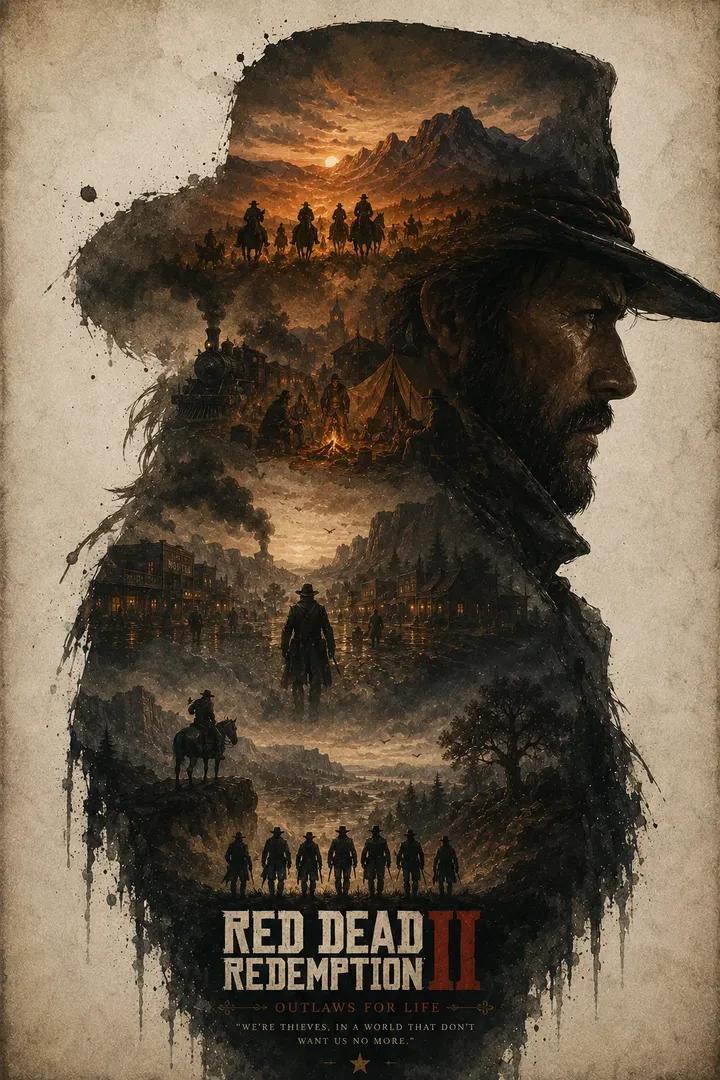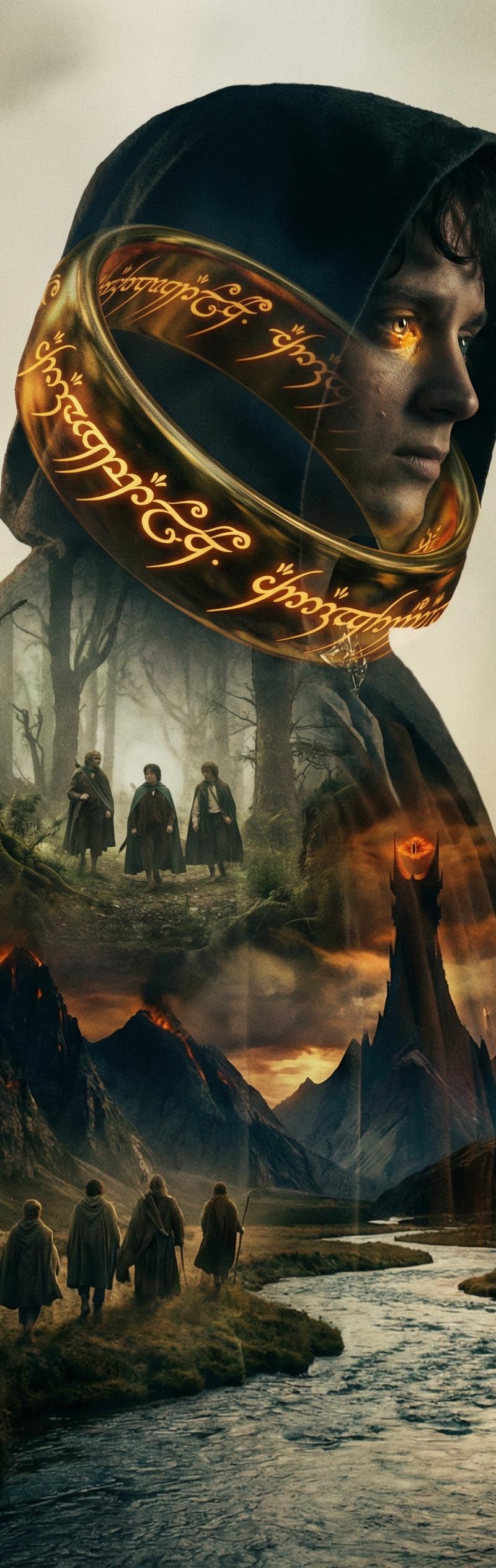
成为之建筑
提示词
The Architecture of Becoming
One prompt to reveal what a character carries within.
Their world mapped across skin and bone. Iconic landmarks breathe through the torso. Intimate moments surface at the edges. Memory dissolves downward into reality, inner landscapes materializing as tangible form.
Just tell it the [Story].
🍌 Nano Banana Pro Template
A cinematic double exposure portrait embodying the essence of [Subject], seamlessly blending character silhouette with layered scenes across multiple focal lengths — establishing a visual metaphor of inner architecture shaped by narrative.
Subject: A character in hero shot composition (profile or three-quarter view) serves as the primary frame. The portrait contains 3 distinct narrative layers within the silhouette, each with clear visual presence:
- Establishing layer (WS): iconic landmarks and vast environments with relatively clear detail, positioned in areas with ample spatial width (torso, shoulders). Dynamic camera angles. This layer tells visual stories, not just atmospheric backdrop
- Narrative layer (MS): story moments with clear subject matter, distributed across mid-body zones
- Detail layer (CU): signature textures, objects, or atmospheric elements with distinct clarity, concentrated in compact areas (head, neck, peripheral edges)
All 3 layers within the silhouette maintain sufficient clarity to be visually readable. Background space beyond the silhouette serves as atmospheric extension — softer, more diffused, providing breathing room without competing for narrative attention. Vary camera angles across layers (aerial, low angle, dutch angle, eye-level) to create spatial depth and visual rhythm, avoiding monotonous flat composition. Match scene scale to available space — wide shots need room to breathe, close-ups thrive in intimate zones
Visual design (character, scenes, iconic elements, style, cultural aesthetics): contextually appropriate to [Subject], maintaining stylistic coherence.
Composition: Portrait orientation with breathing space for scene integration. Facial features (eyes, nose, mouth) remain relatively clear and recognizable through controlled transparency — this is the visual anchor. Scene layers concentrate more heavily in peripheral areas (hair, shoulders, background space) rather than densely overlapping facial center. Scene elements respect anatomical structure — horizons align with eye level, architectural lines follow facial contours with smooth, gradient-based transitions.
Progressive narrative transition from top to bottom: upper regions (head, shoulders) embrace full double-exposure blending, while lower regions gradually break free from the silhouette — scenes emerging with increasing clarity and independence, eventually extending beyond the figure as distinct narrative windows. This creates dramatic temporal-spatial convergence, suggesting inner consciousness materializing into tangible reality.
Edge Treatment: CRITICAL — avoid hard cutout boundaries. Portrait edges dissolve naturally into scenes through irregular, organic fade transitions (not uniform masks). Selective areas allow scenes to extend gently beyond silhouette, creating subtle overspill. Varying opacity across different facial zones enables naturalistic integration. The blend should feel effortless and photographic, not manually painted.
Light: Cinematic lighting with enhanced drama — rich highlights, deep shadows, and atmospheric haze create depth and emotional weight. Layers may capture different times or lighting conditions as needed for narrative storytelling, united by emotional coherence rather than physical uniformity. Light wraps around forms naturally within each layer, avoiding flat overlay appearance.
Color: Harmonized palette drawn from the narrative's emotional core. Cinematic color grading with elevated saturation and contrast for visual impact, while maintaining coherence across layers. Film-like color science with controlled roll-off and intentional color shifts between layers to enhance storytelling mood.
Mood: Contemplative, introspective. The portrait suggests memory, transformation, or identity shaped by place — evoking "landscapes in motion, crafted by memory, reshaped by courage."
Medium: Artistic photographic double exposure with handcrafted quality — not digital compositing. 8K resolution. Analog film aesthetic with organic imperfections — subtle grain that enhances texture without overwhelming detail, natural vignetting, nuanced tonal transitions, slight color drift between layers. Borderless composition that extends naturally to frame edges without visible canvas boundaries or decorative frames.
Avoid: [over-saturated, rigid mask edges, sterile digital compositing, perfect cutouts, disconnected lighting, uniform opacity].
ar=2:3
[Subject] = The Lord of the Rings
局限:一些“比较新”的作品,部分角色特征的准确度可能比较糟糕。
特意对比了 API 和 Gemini Pro,后者在明确有 web grouding 参考的前提下并没有改善。
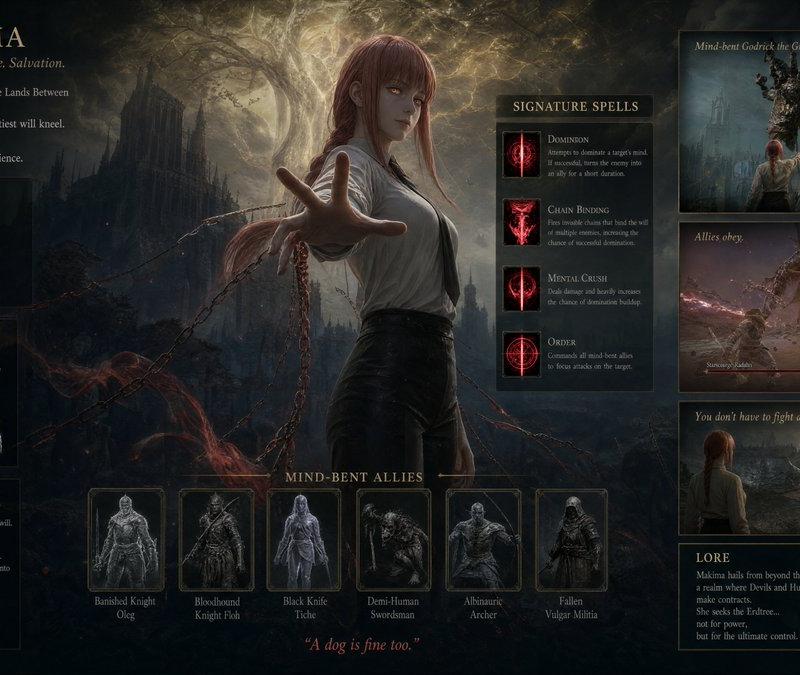
比如,Chainsaw man 剧场版蕾玖篇,Reze 的炸弹恶魔形态,我最后用了参考图才把 ta 拉回来。 https://t.co/quUtkitDWg
Gemini Pro 如果只用爆 Nano Banana Pro,一个月下来折合 API 费用 ¥434,$20 包月还是划算的。
相比之下,2 周毫无节制的 API 调用,猛烧 ¥800+...
计算:每天 $0.134 * 汇率7.2 * 15 张 2K 图片/天 * 30天
Subject = 动物森友会圣诞节 https://t.co/6S8yLrIUs7
Subject = 铁血战士,以父之名 https://t.co/EzgML8bPc4
示例图 Prompt:
1. Story = The Lord of the Rings
2. Story = Totoro
3. Story = How to Train Your Dragon 2
4. Story = Frozen
- 分类
- 真实摄影
- 模型
- Nano Banana Pro
- 来源作者
- Jerlin
- 原始语言
- zh-CN
- 来源 ID
- the-architecture-of-becoming
浏览量0
![Design a high-end gacha summon page for a new mobile game titled [Game Title], i](https://whqgdndlpxjbwosvipip.supabase.co/storage/v1/render/image/public/prompt-source-media/promptsref/work-4833/image-1-8e0cc3185e2183fb.png?width=800&quality=75)