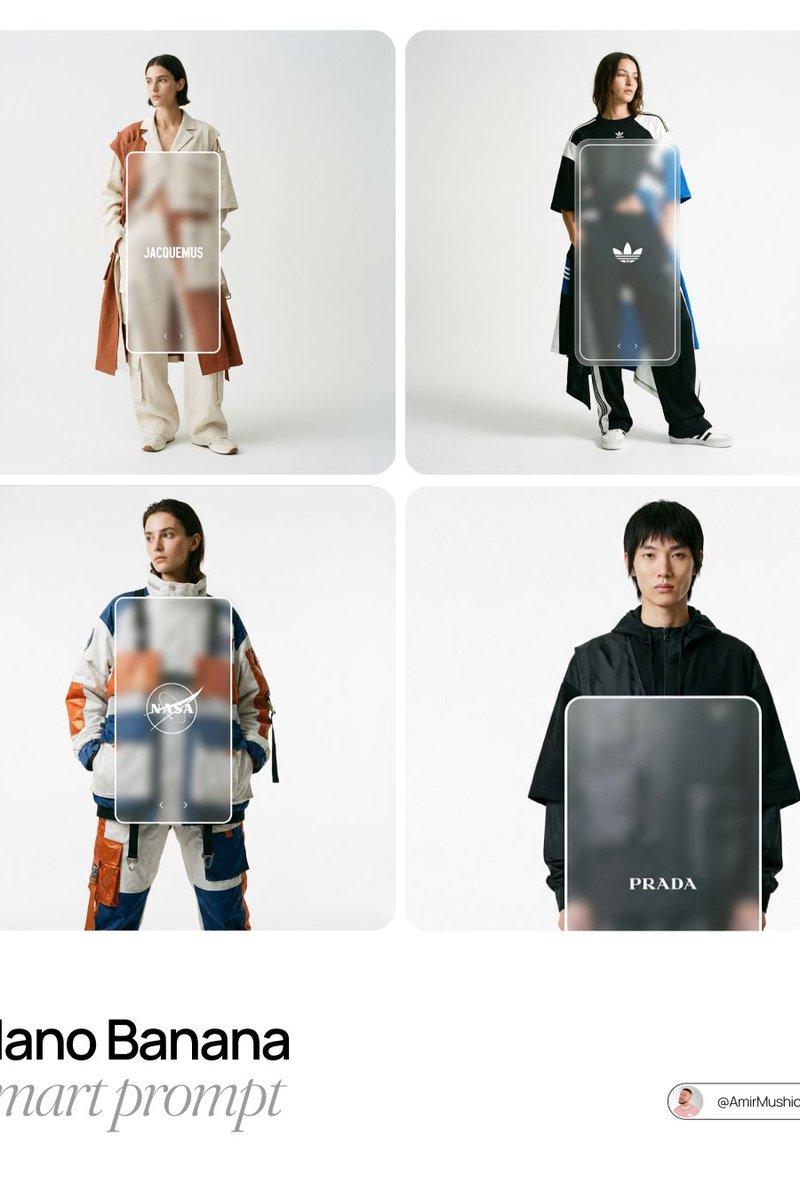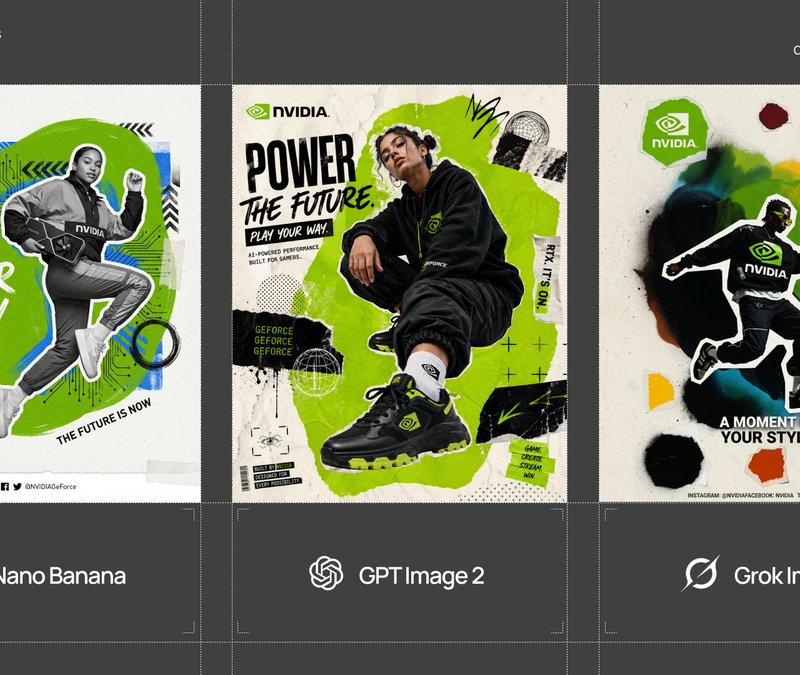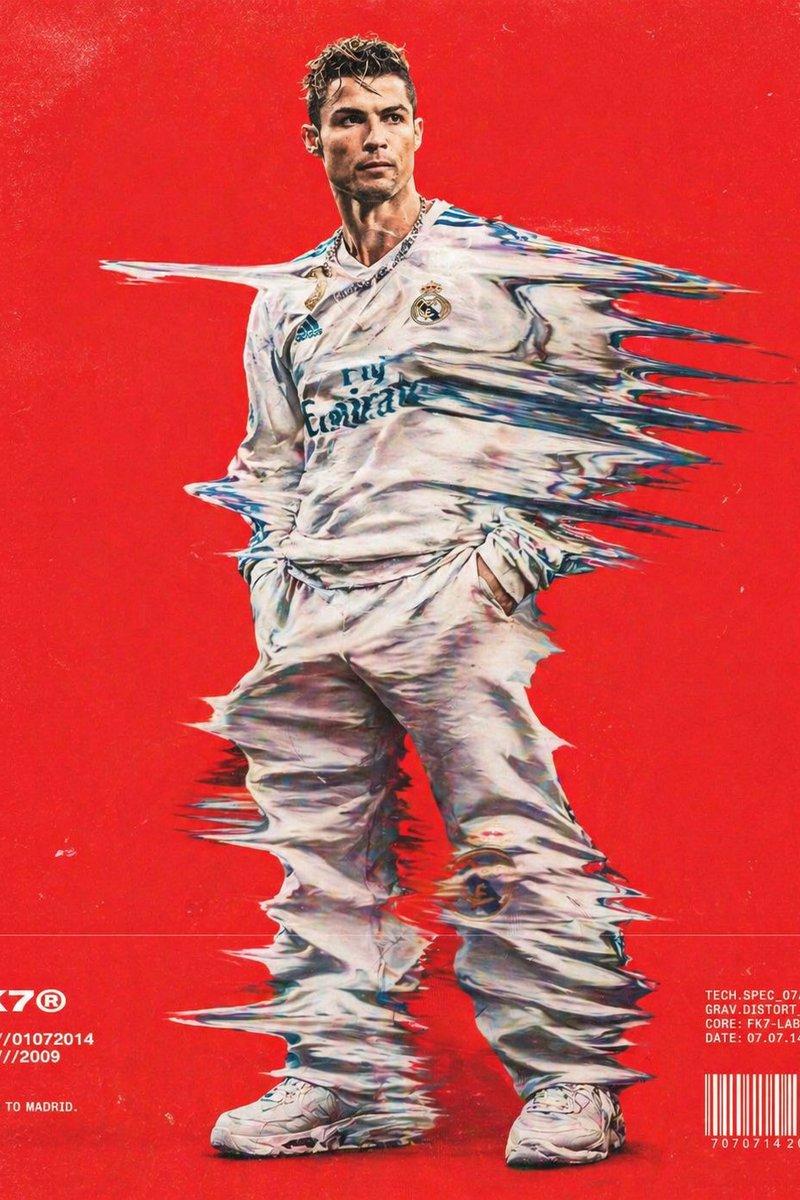
Product packaging shot: GPT Image 2 prompt
Prompt
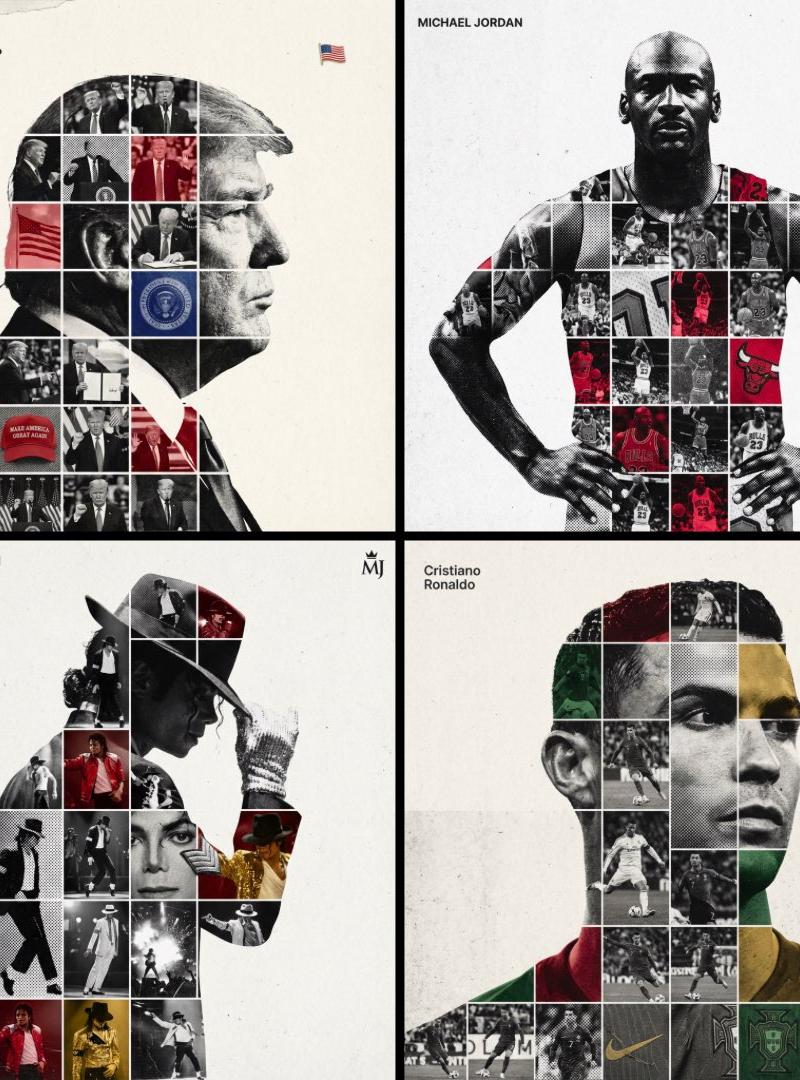
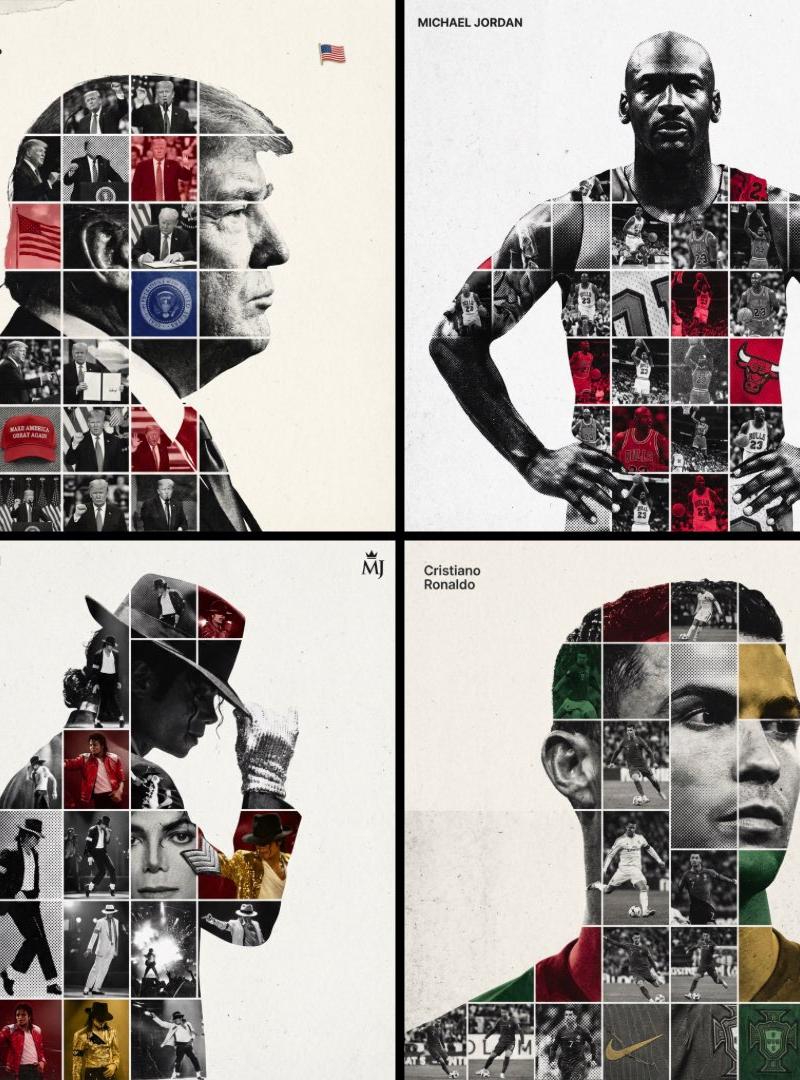
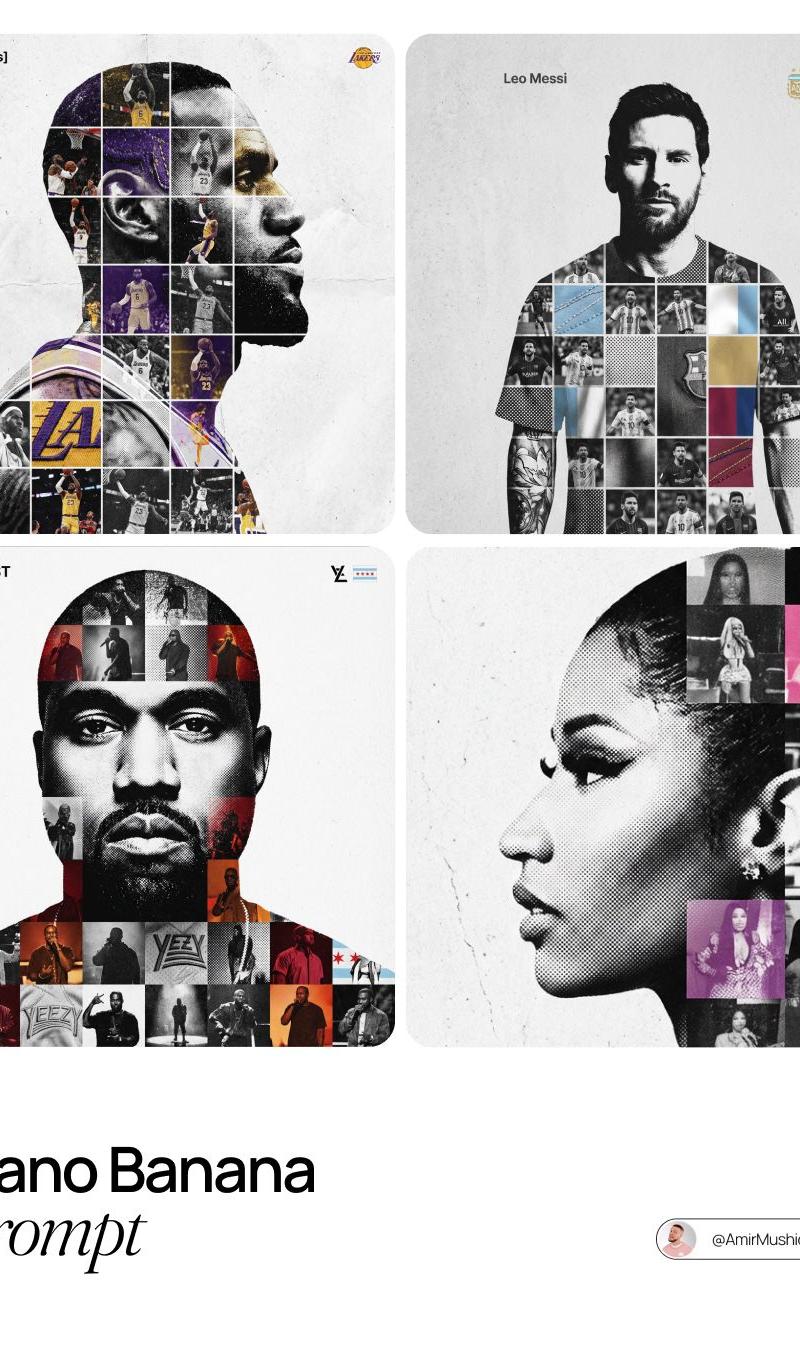
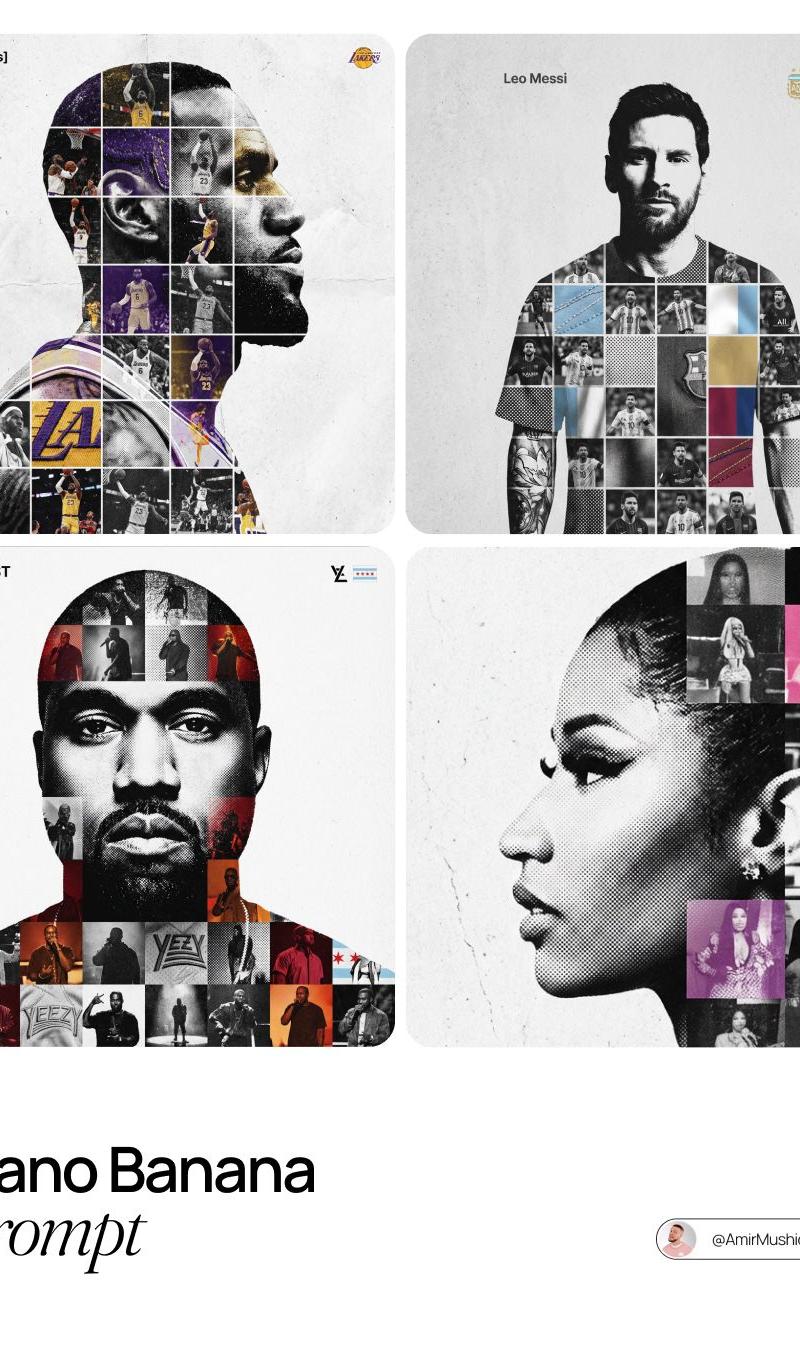
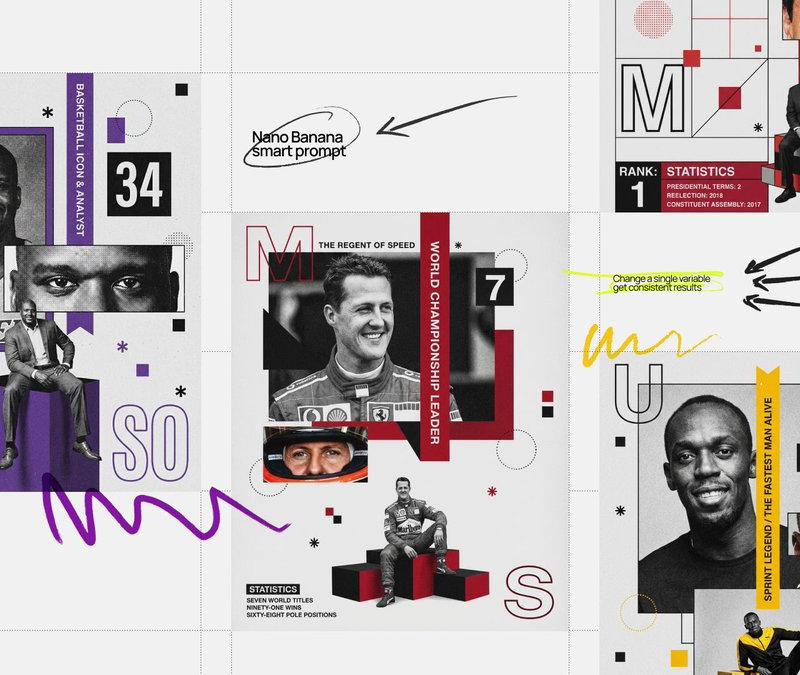
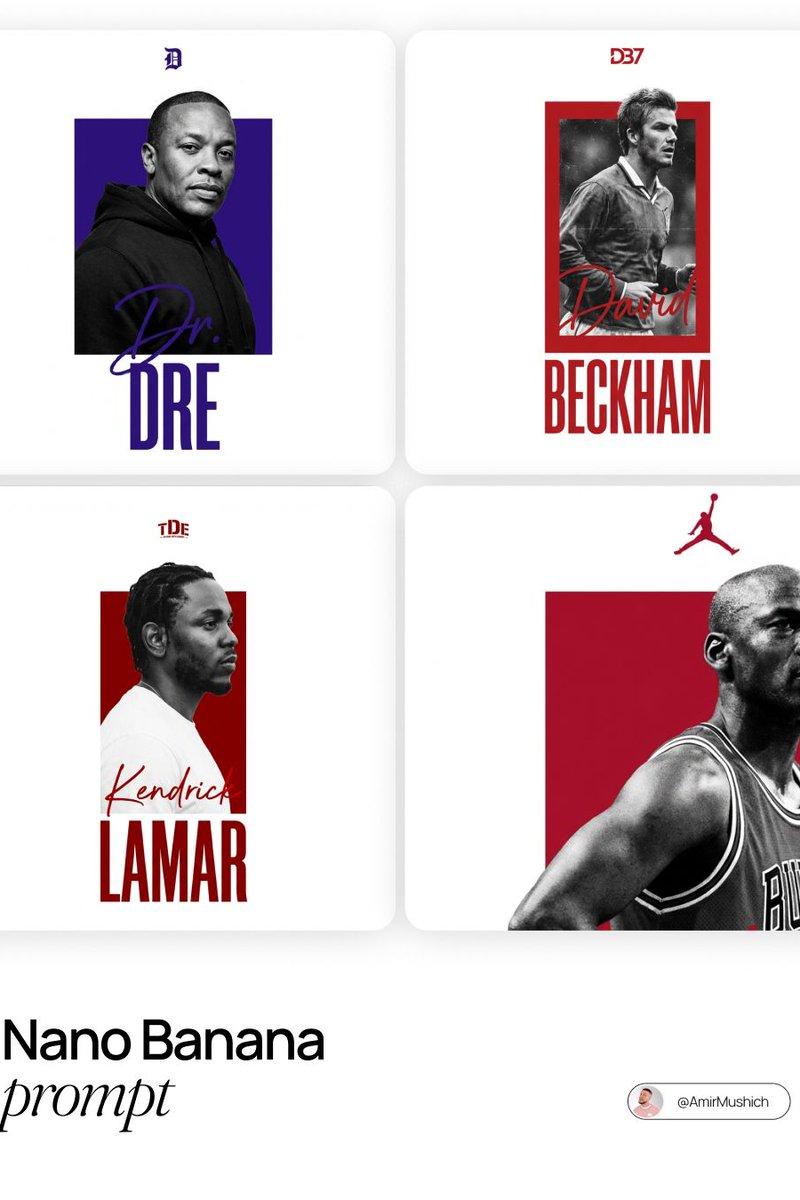
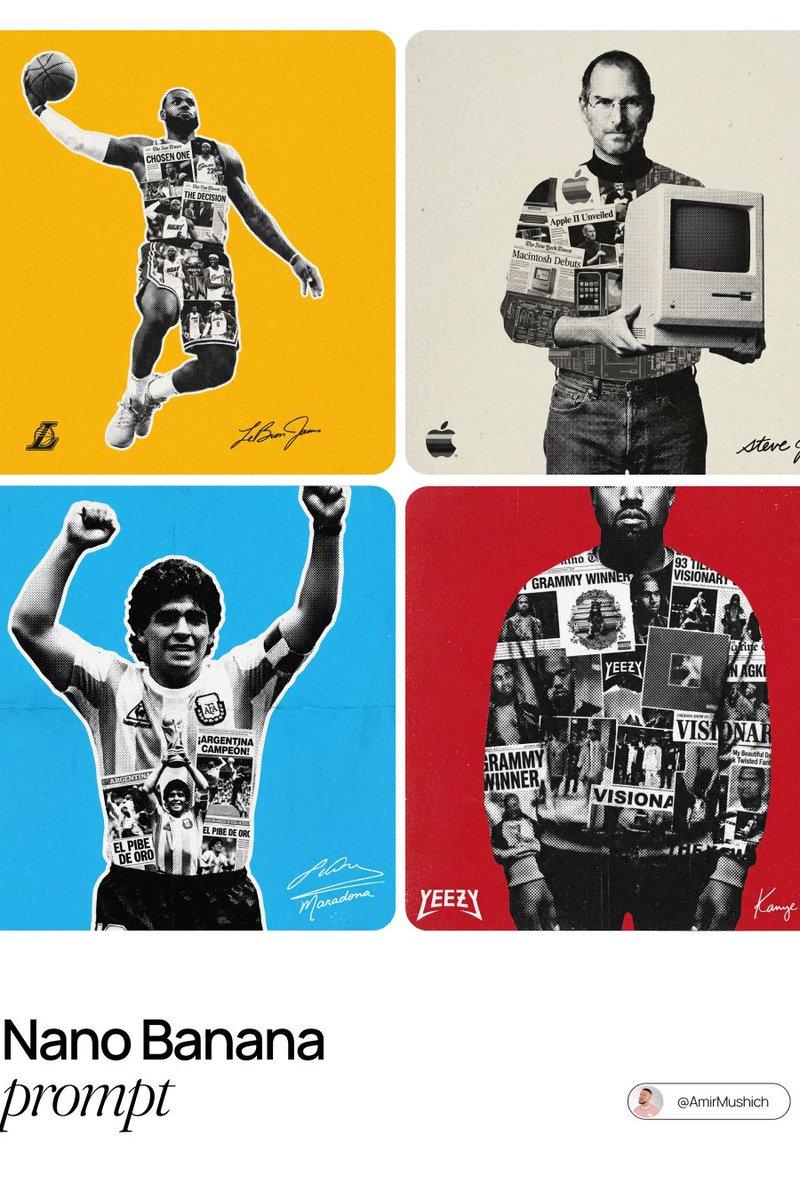
[Lebron James]. Act as a graphic designer specializing in "Modern Vintage" sports and music memorabilia posters.
1. COLOR LOGIC (AUTONOMOUS):
Analyze the Subject: Instantly identify the single most iconic color associated with [PERSON / CHARACTER NAME] (e.g., if Michael Jordan -> Chicago Red; if Prince -> Purple; if Spotify CEO -> Vibrant Green).
The Background: Fill the entire background with this Solid, Vibrant Brand Color.
Texture: Apply a visible Heavy Film Grain overlay to the solid color to kill the digital perfection.
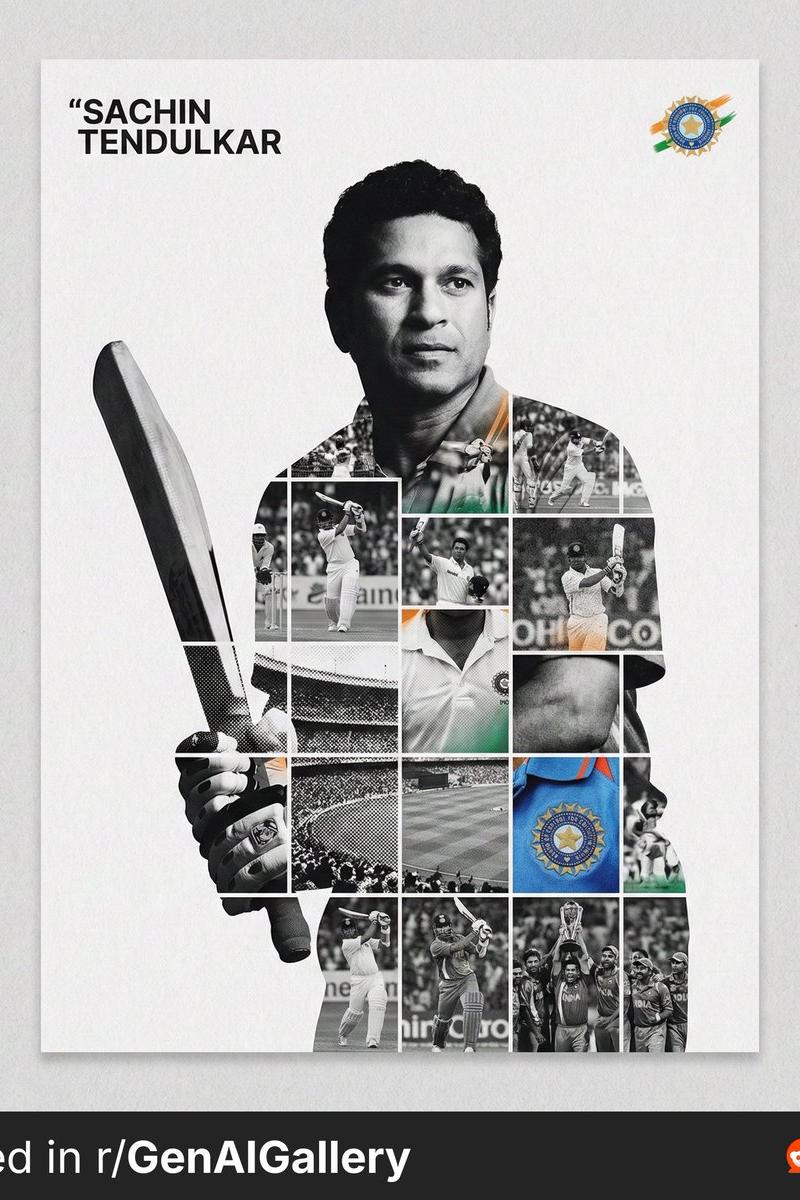
2. CENTRAL COMPOSITION (NARRATIVE SILHOUETTE):
The Container: Place a massive, high-contrast Black & White Cut-Out Photo of [PERSON / CHARACTER NAME] in the center. It can slightly breach the top or side borders (dynamic cropping).
The "Montage" Fill (CRITICAL): The interior of the subject's clothing or body shadows is NOT solid black. It is filled with a Complex Monochrome Collage.
Collage Content: Inside the silhouette, layer smaller, high-contrast photos representing key career milestones, newspaper headlines, famous poses, or relevant machinery/tools associated with them.
Visual Effect: This creates a "Double Exposure" effect where the hero's shape tells their story.
3. PRINT AESTHETIC (HALFTONE & NEWSPAPER):
Halftone Effect: Apply a distinct "Coarse Halftone Dot Pattern" (Newsprint Screen effect) to the entire central figure and collage. The dots should be visible, creating that retro 90s zine/newspaper aesthetic.
Contrast: The image must be strictly Duotone or Tritone (Background Color + Black Ink + White Paper negative space). No full-color photos.
4. FOOTER ELEMENTS (BRANDING):
Bottom Left (Logo): Place a specific Logo or Icon relevant to the subject (e.g., team logo, company logo, or personal symbol).
Size: Small and discrete (approx 15% of width).
Color: High contrast to the background (White or Black).
Bottom Right (Signature): Place the subject's Autograph/Signature.
Logic: If the signature is public domain, simulate the real one. If fictional, generate a believable handwritten script signature.
Color: Same contrast color as the logo.
OUTPUT:
A raw, textured, vintage-style poster design.
- Category
- Brand & Logos
- Model
- GPT Image 2
- Creator
- AmirMušić
- Source language
- en
- Source ID
- 2018776000532717836
- Published
- Feb 3, 2026
Views0