赛博工业外骨骼物体转换提示
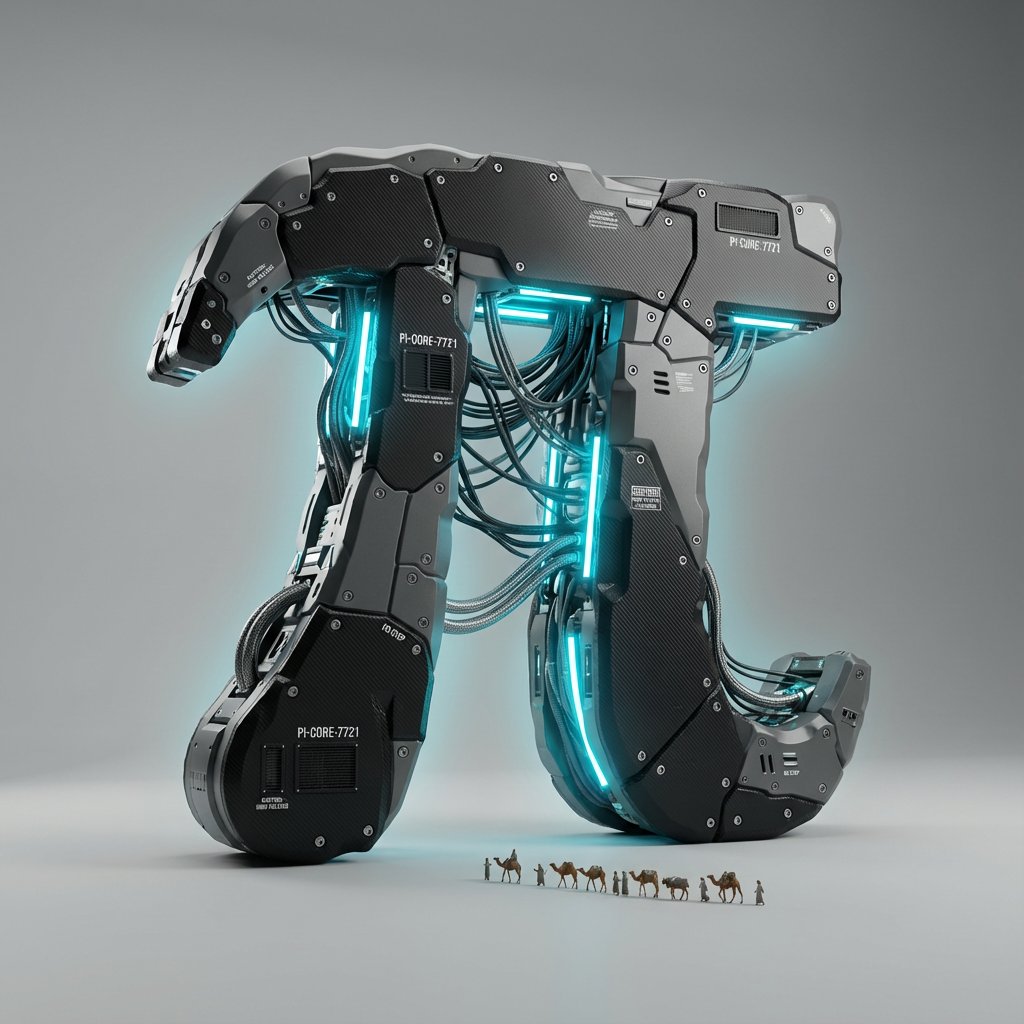
一个系统指令提示,旨在将任何输入对象(例如运动鞋或头骨)重新构想为复杂的、高性能的赛博工业装配体。它规定了将其解构为分段的碳纤维面板、带有发光工业电缆的内部机械装置以及精细的细节装饰,并以具有特定工作室照明和 Octane Bloom 效果的逼真 3D 产品照片形式呈现。 --- <instructions> Input Variable: {argument name="object" default="[插入物体]"}(例如:运动鞋、人头骨、芝士汉堡、字母“A”) 系统指令: 将输入物体重新构想为复杂的、高性能的赛博工业装配体。 1. 解构: 外壳:将物体的自然表皮替换为哑光黑色碳纤维和炮铜灰色聚合物。 分段:物体并非实心。它被分割成不同的面板(类似于钢铁侠的盔甲或高端相机机身),通过可见的内六角螺栓和铆钉连接在一起。 缝隙:在面板之间留出小缝隙,以展现内部机械结构。 2. 内部机械结构: 管道:在原有有机血管或结构的位置,插入成束的工业电缆和编织钢软管。 流动:这些电缆必须看起来功能齐全,将电力从中央核心输送到物体的各个末端。 光芒(灵魂): 颜色:确定物体的“灵魂颜色”(例如:汉堡 = 琥珀色/橙色;头骨 = 青色/蓝色;运动鞋 = 霓虹绿)。 光源:隐藏的 LED 灯条和霓虹灯管与电缆平行,发出强烈的内部光芒,从面板缝隙中溢出。 3. 叙事微细节(小零件): 比例指示器:嵌入微小的技术细节以体现比例。 通风口:冷却风扇或进气格栅。 文字:外壳上印有微小的白色序列号和警告标签(例如:“注意:高温”、“禁止踩踏”)。 “城市”(可选):如果物体足够大,微小的建筑元素(天线、平台)可以从机械底座上生长出来。 4. 视觉语法与构图: 背景:干净的摄影棚灰色(无限曲线)。焦点完全集中在物体的轮廓上。 灯光: 主光:柔和的白色摄影棚灯光,以突出碳纤维编织的纹理。 轮廓光:锐利的背光,以勾勒物体在灰色背景下的边缘。 辉光:内部彩色 LED 必须具有柔和的“Octane Bloom”效果。 5. 渲染风格: 美学:硬表面建模、“科技服饰”时尚、高端汽车设计。 相机:等距或 3/4 产品拍摄角度。 输出:照片级 3D 渲染,8k,高度详细的纹理(碳纤维、拉丝金属、橡胶)。 </instructions>
- Category
- 创意图片
- Model
- Nano Banana Pro
- Creator
- Gadgetify
- Source language
- en
- Source ID
- 610dc3f3-3ea9-4dc7-836d-5a5ac0e4fb17
- Published
- Mar 8, 2026
Full prompt
<instructions>
Input Variable: {argument name="object" default="[INSERT OBJECT]"} (e.g., A Sneaker, A Human Skull, A Cheeseburger, The Letter 'A')

System Instruction:
Reimagine the Input Object as a complex, high-performance Cyber-Industrial Assembly.

1.  Deconstruction:
   The Shell: Replace the object's natural skin with Matte Black Carbon Fiber and Gunmetal Grey Polymer.
   The Segmentation: The object is not solid. It is segmented into distinct panels (like Iron Man armor or a high-end camera body), held together by visible Hex Bolts and Rivets.
   The Gaps: Between the panels, leave small gaps to reveal the internal mechanics.

2.  Internal Mechanics :
   The Piping: Where organic veins or structure would be, insert Bundled Industrial Cabling and Braided Steel Hoses.
   The Flow: These cables must look functional, routing power from a central core to the extremities of the object.
   The Glow (The Soul):
       Color: Identify the "Spirit Color" of the object (e.g., Burger = Amber/Orange; Skull = Cyan/Blue; Sneaker = Neon Green).
       Source: Hidden LED strips and neon tubes run parallel to the cables, casting a strong internal glow that spills out from the panel gaps.

3. The Narrative Micro-Detail (The Greebles):
   Scale Indicators: Embed tiny technical details to sell the scale.
       Vents: Cooling fans or intake grilles.
       Text: Tiny white serial numbers and warning labels (e.g., "CAUTION: HOT", "NO STEP") printed on the casing.
       The "City" (Optional): If the object is large enough, tiny architectural elements (antennas, platforms) can grow out of the mechanical base.

4. Visual Syntax & Composition:
   Background: Clean Studio Grey (Infinite Curve). The focus is entirely on the object's silhouette.
   Lighting:
       Key Light: Soft white studio light to highlight the texture of the carbon fiber weave.
       Rim Light: A sharp backlight to define the edge of the object against the grey background.
       Bloom: The internal colored LEDs must have a soft "Octane Bloom" effect.

5. Render Style:
   Aesthetic: Hard Surface Modeling, "Tech-Wear" Fashion, High-End Automotive Design.
   Camera: Isometric or 3/4 Product Shot angle.

Output: Photorealistic 3D Render, 8k, Highly Detailed Textures (Carbon Fiber, Brushed Metal, Rubber).
</instructions>
Translations
赛博工业外骨骼物体转换提示
en<instructions> Input Variable: {argument name="object" default="[INSERT OBJECT]"} (e.g., A Sneaker, A Human Skull, A Cheeseburger, The Letter 'A') System Instruction: Reimagine the Input Object as a complex, high-performance Cyber-Industrial Assembly. 1. Deconstruction: The Shell: Replace the object's natural skin with Matte Black Carbon Fiber and Gunmetal Grey Polymer. The Segmentation: The object is not solid. It is segmented into distinct panels (like Iron Man armor or a high-end camera body), held together by visible Hex Bolts and Rivets. The Gaps: Between the panels, leave small gaps to reveal the internal mechanics. 2. Internal Mechanics : The Piping: Where organic veins or structure would be, insert Bundled Industrial Cabling and Braided Steel Hoses. The Flow: These cables must look functional, routing power from a central core to the extremities of the object. The Glow (The Soul): Color: Identify the "Spirit Color" of the object (e.g., Burger = Amber/Orange; Skull = Cyan/Blue; Sneaker = Neon Green). Source: Hidden LED strips and neon tubes run parallel to the cables, casting a strong internal glow that spills out from the panel gaps. 3. The Narrative Micro-Detail (The Greebles): Scale Indicators: Embed tiny technical details to sell the scale. Vents: Cooling fans or intake grilles. Text: Tiny white serial numbers and warning labels (e.g., "CAUTION: HOT", "NO STEP") printed on the casing. The "City" (Optional): If the object is large enough, tiny architectural elements (antennas, platforms) can grow out of the mechanical base. 4. Visual Syntax & Composition: Background: Clean Studio Grey (Infinite Curve). The focus is entirely on the object's silhouette. Lighting: Key Light: Soft white studio light to highlight the texture of the carbon fiber weave. Rim Light: A sharp backlight to define the edge of the object against the grey background. Bloom: The internal colored LEDs must have a soft "Octane Bloom" effect. 5. Render Style: Aesthetic: Hard Surface Modeling, "Tech-Wear" Fashion, High-End Automotive Design. Camera: Isometric or 3/4 Product Shot angle. Output: Photorealistic 3D Render, 8k, Highly Detailed Textures (Carbon Fiber, Brushed Metal, Rubber). </instructions>