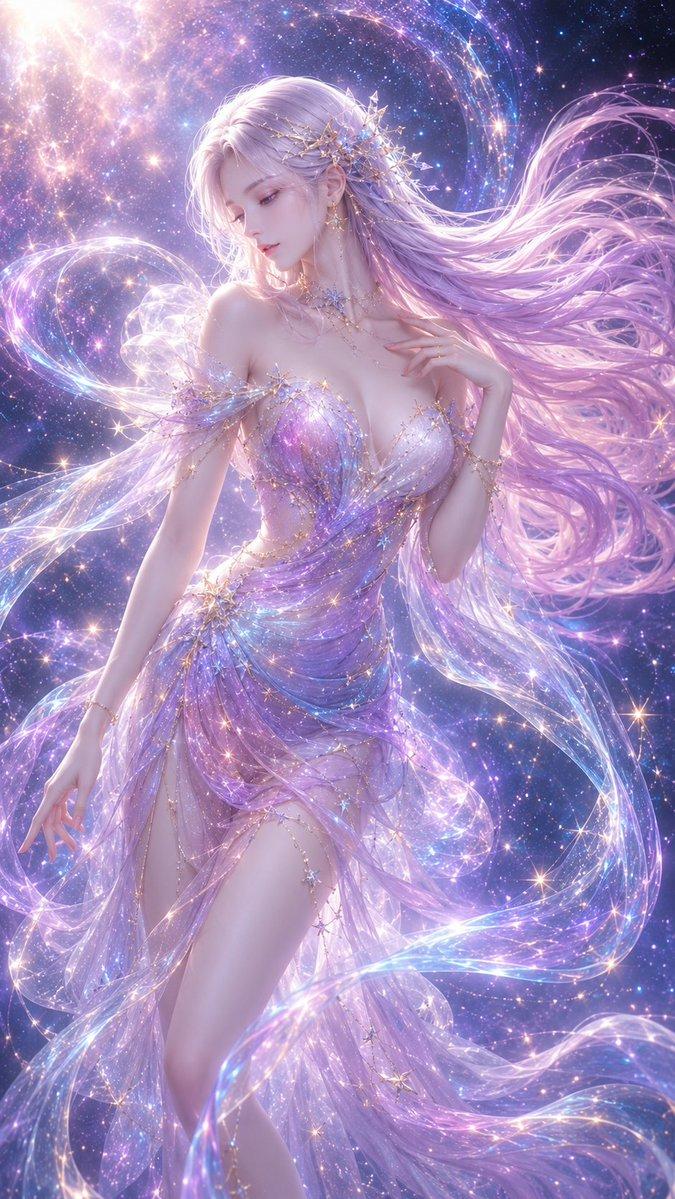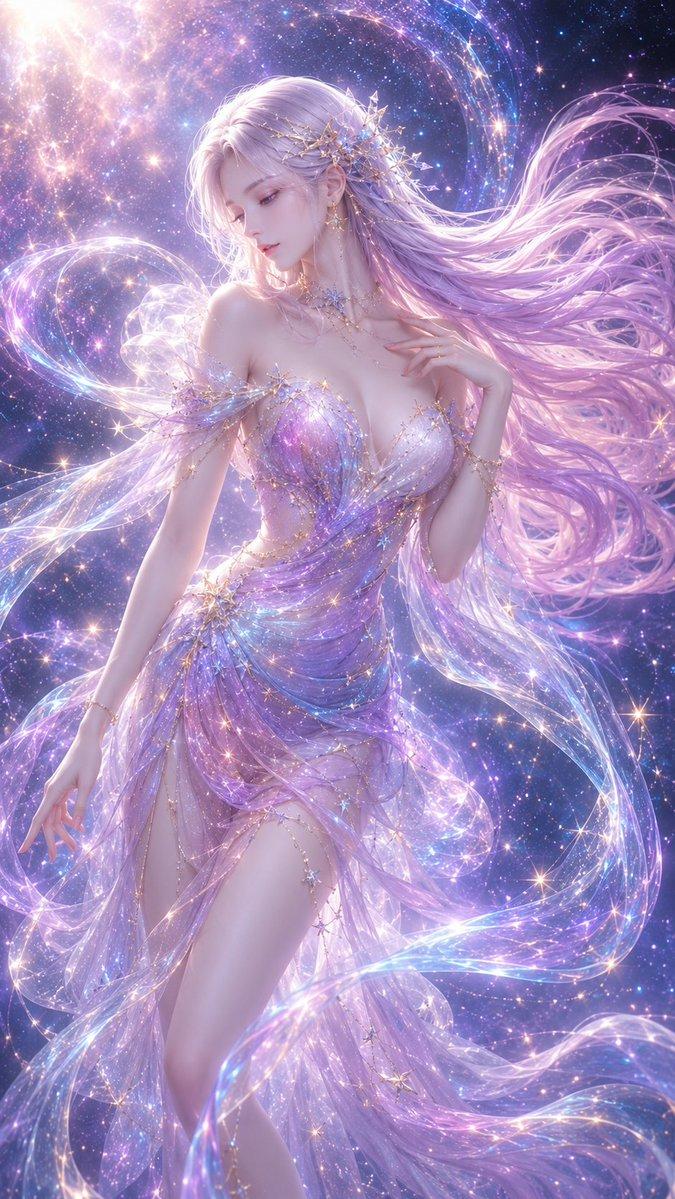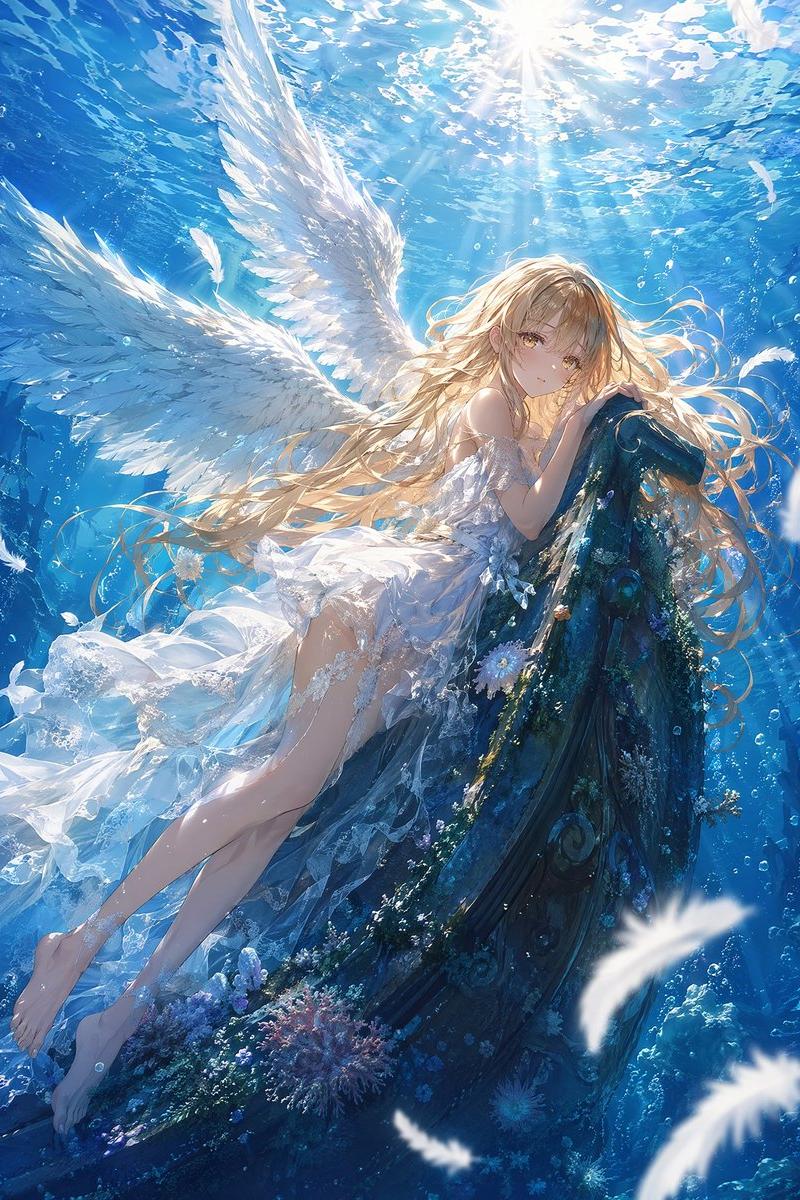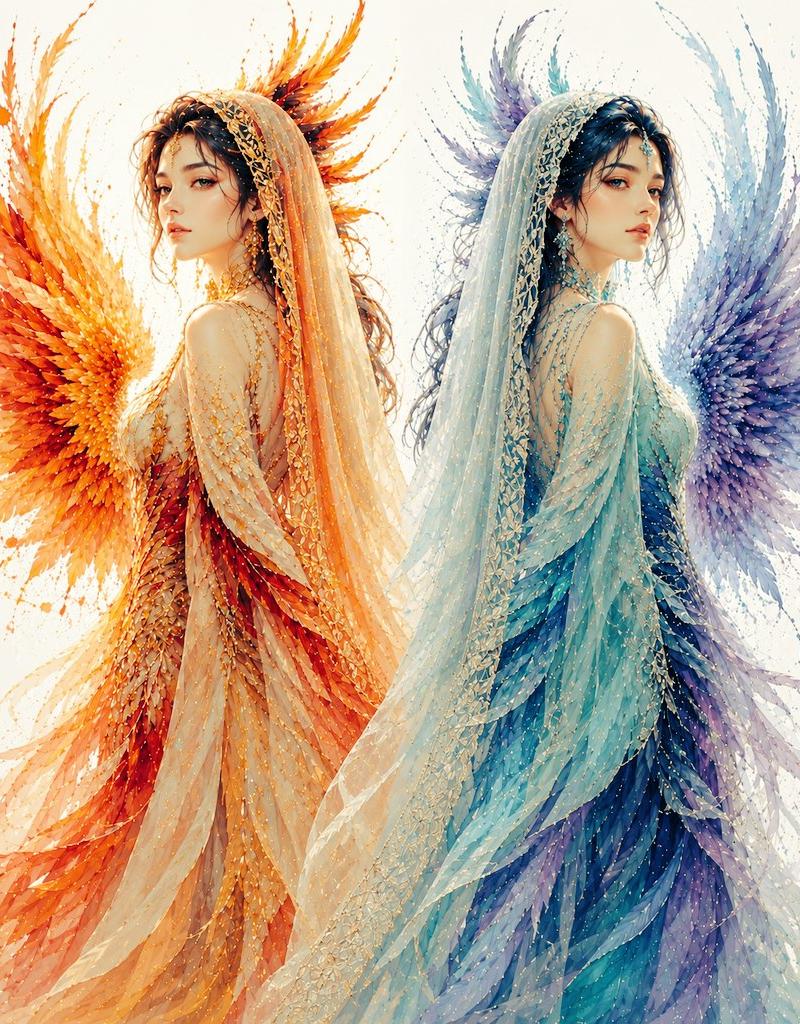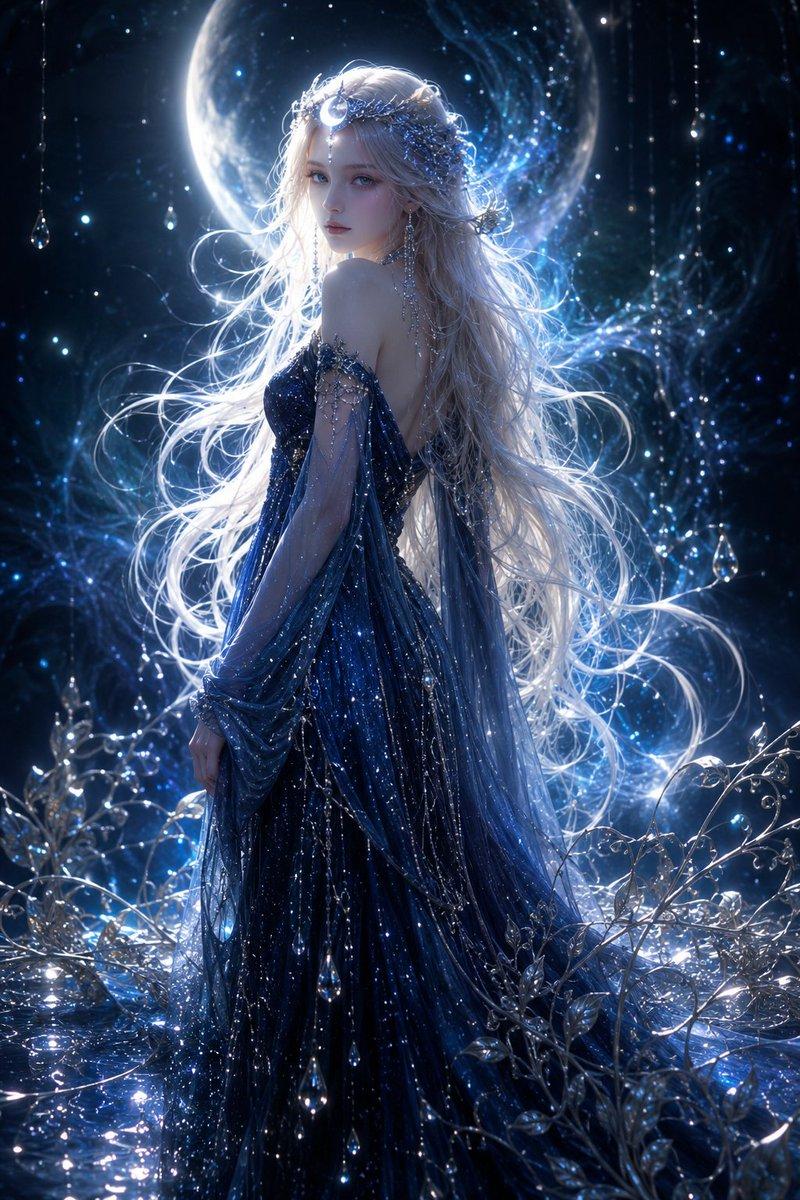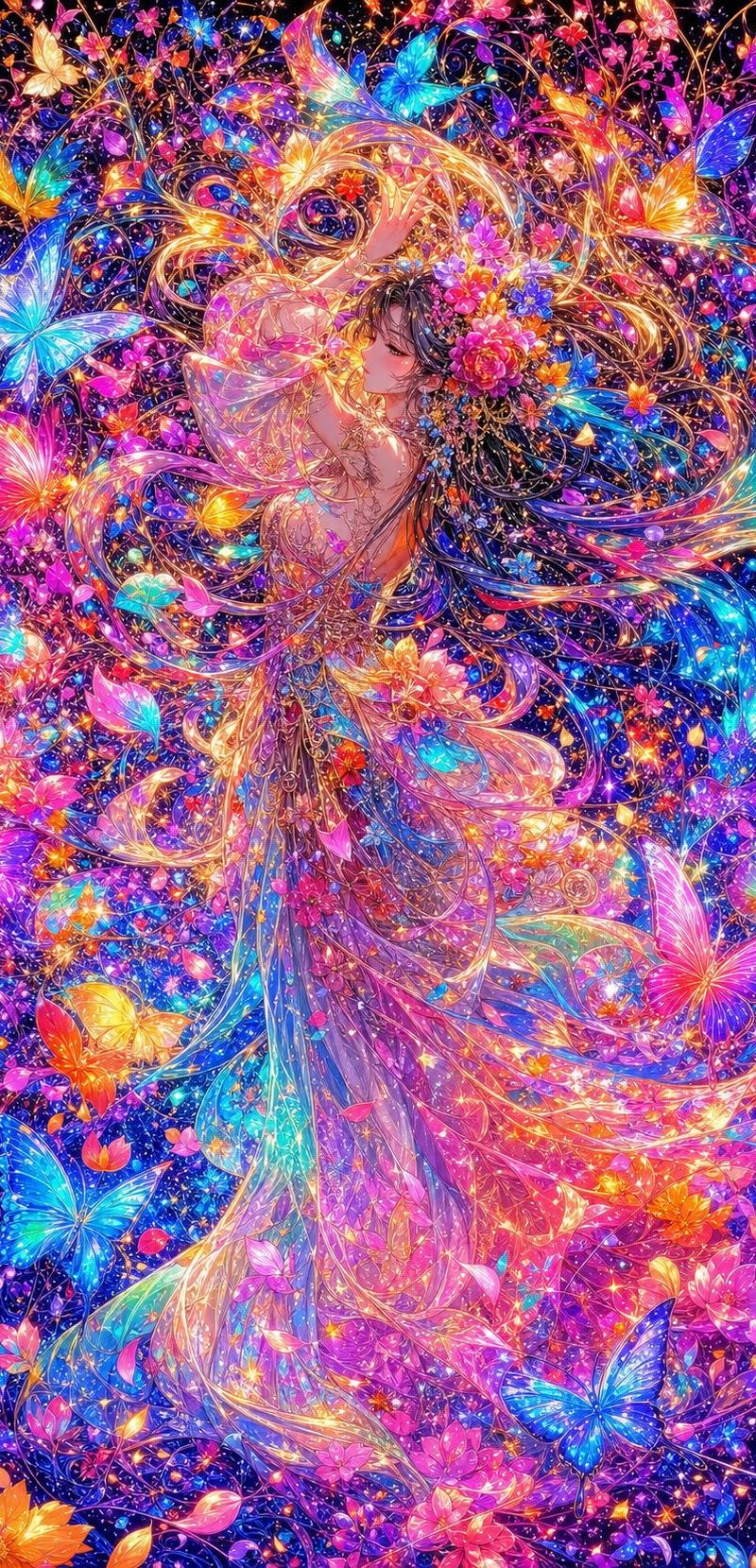
霓虹蝴蝶仙子奇幻艺术
Prompt
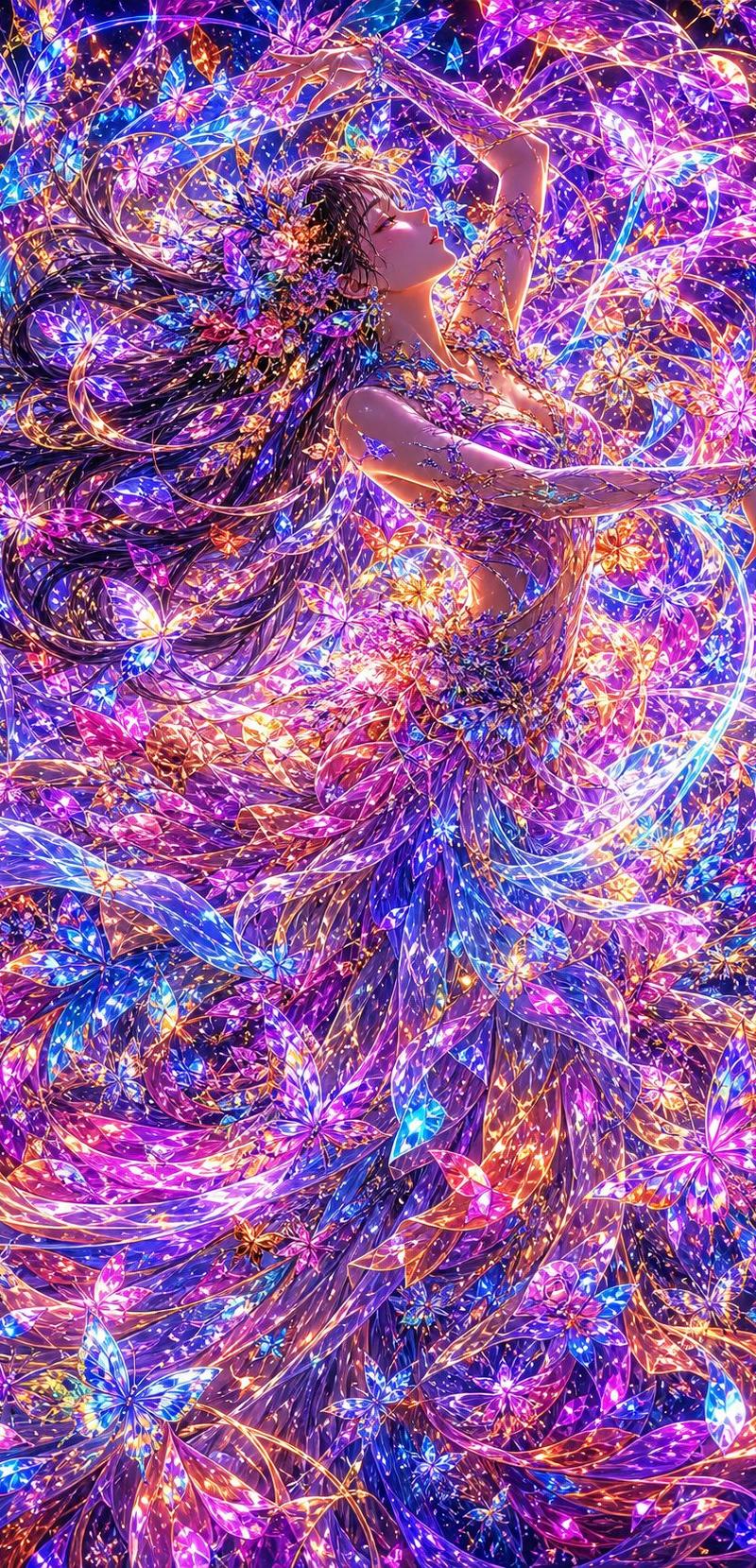
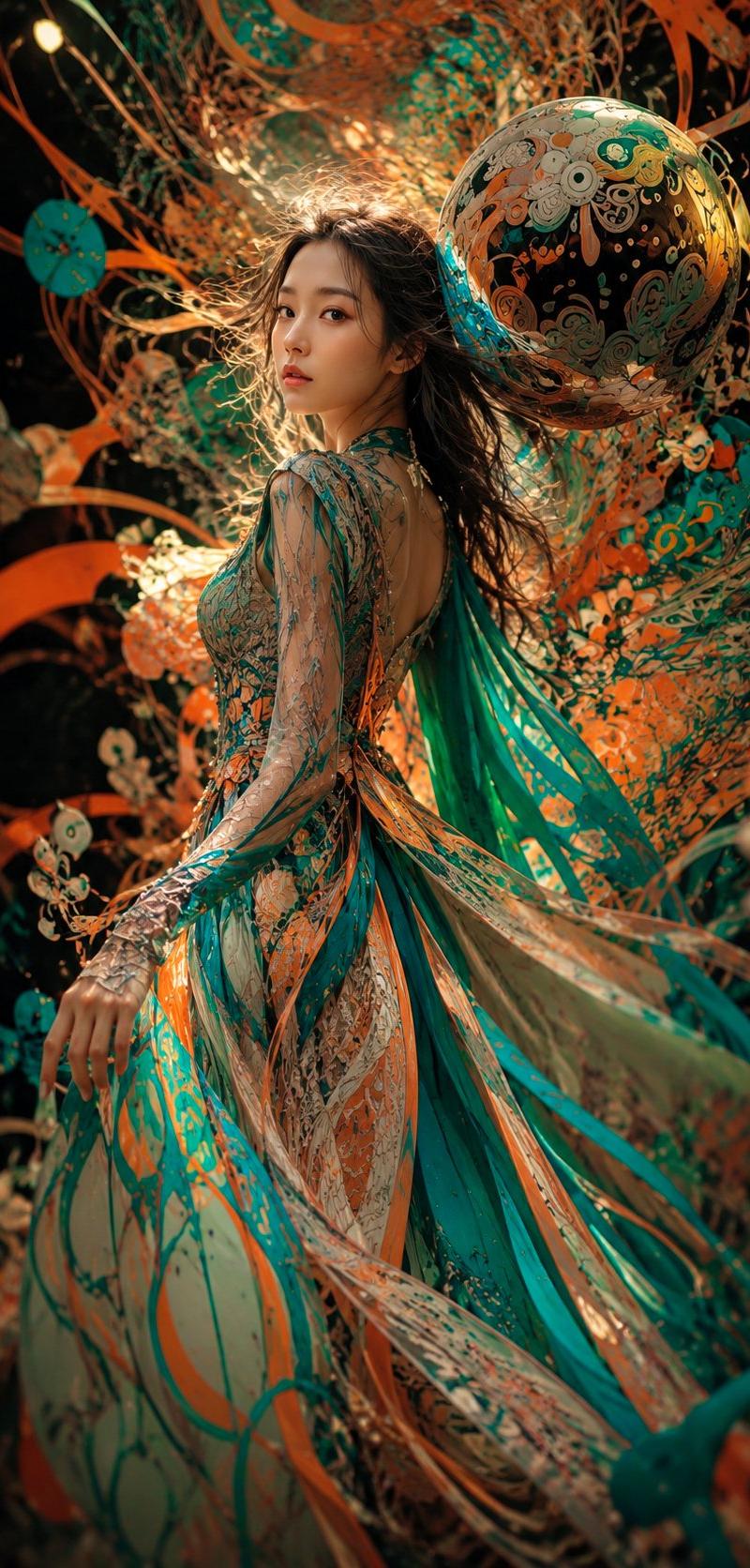
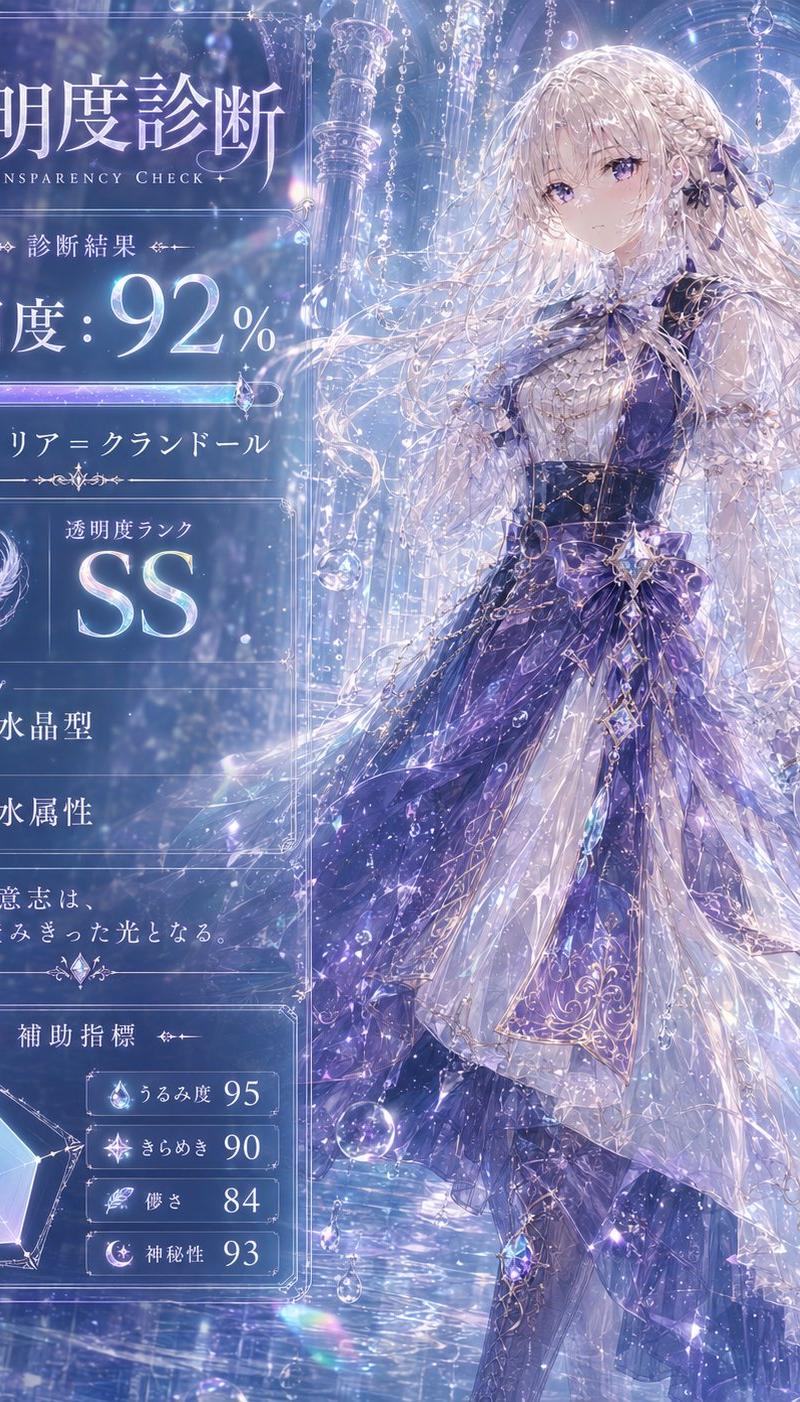
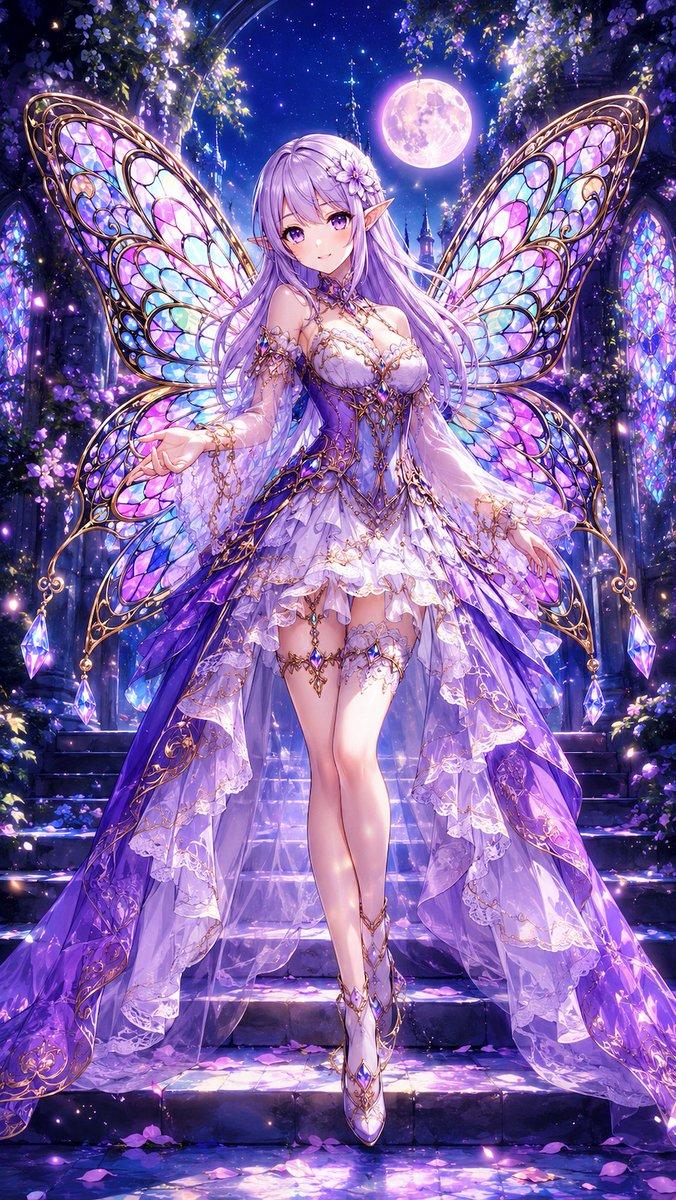
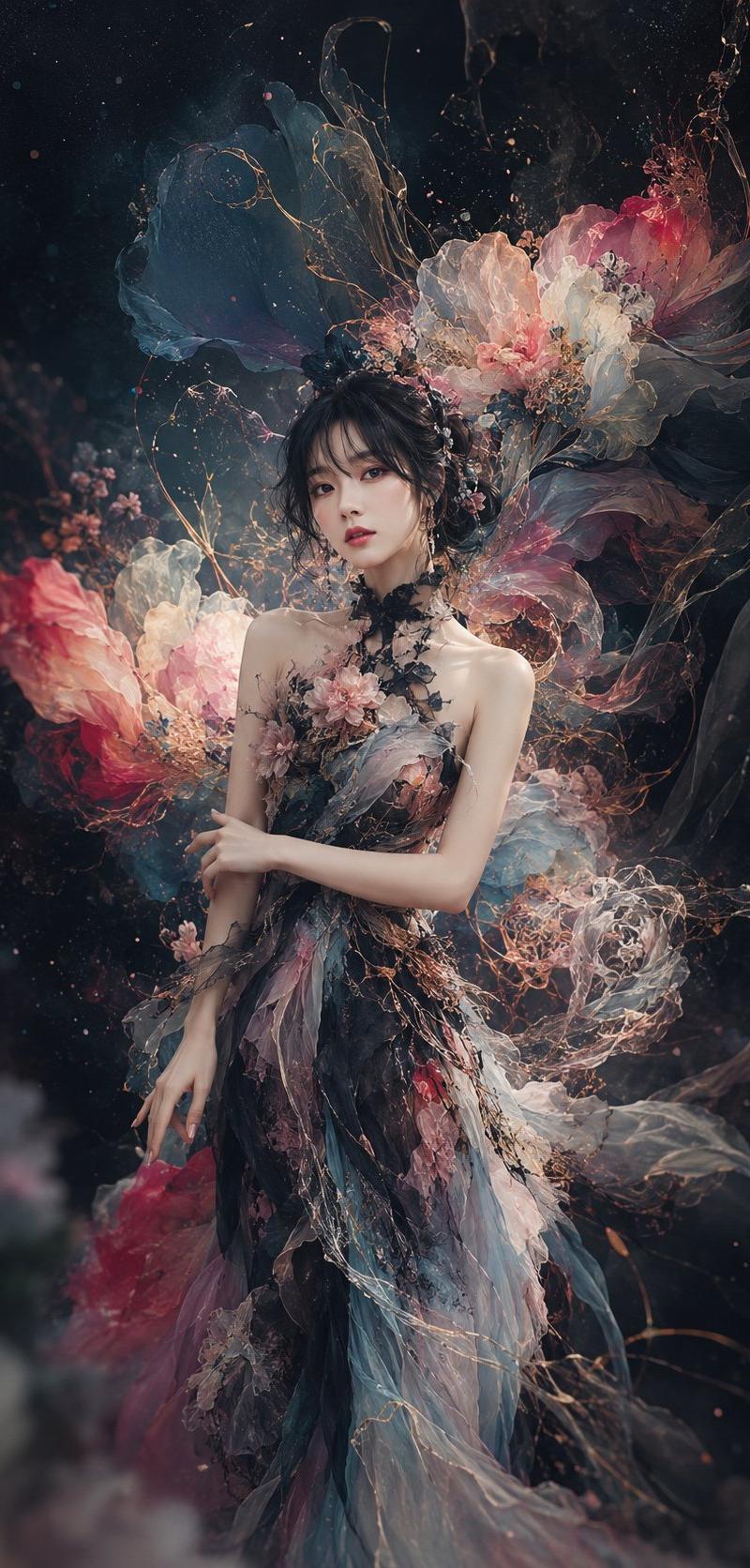
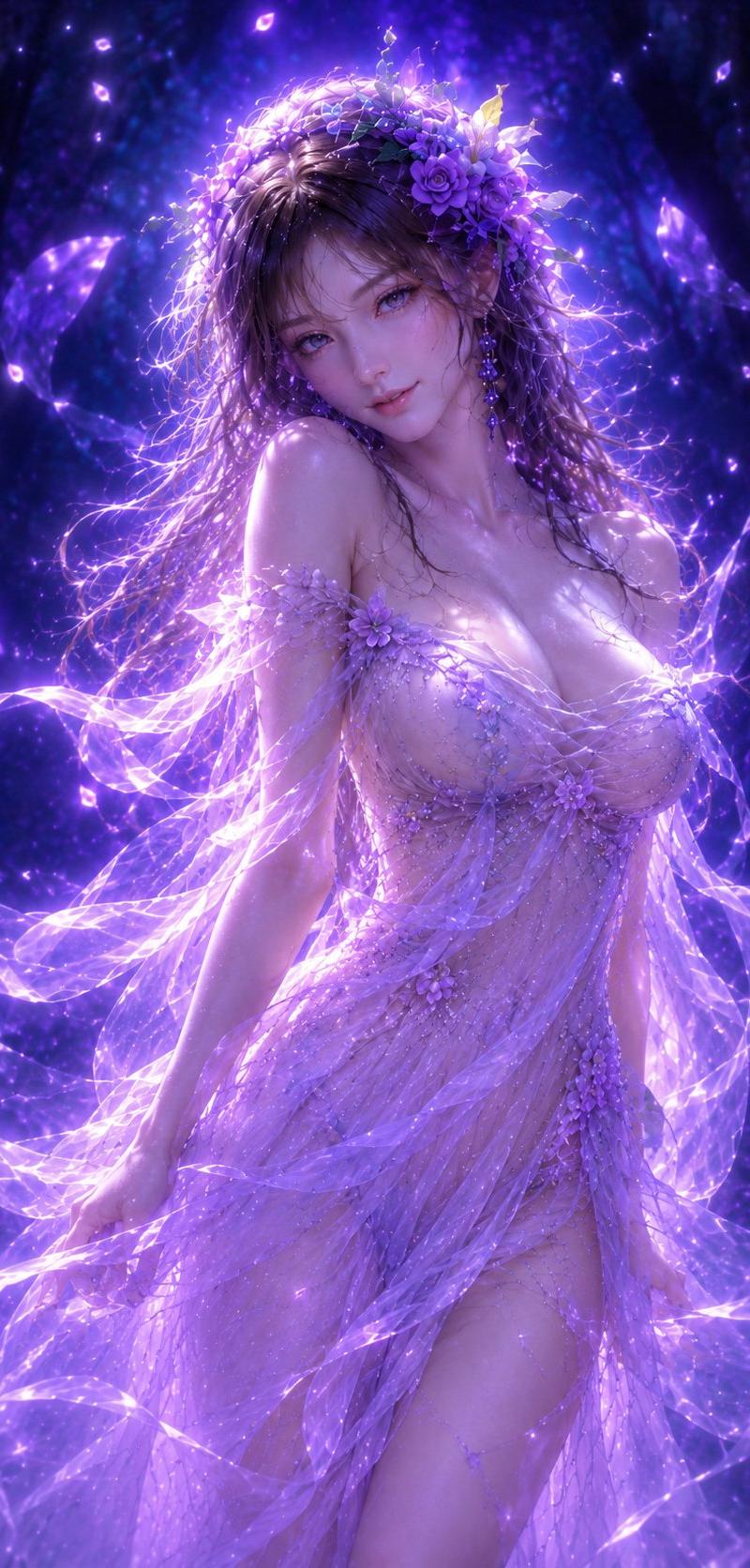
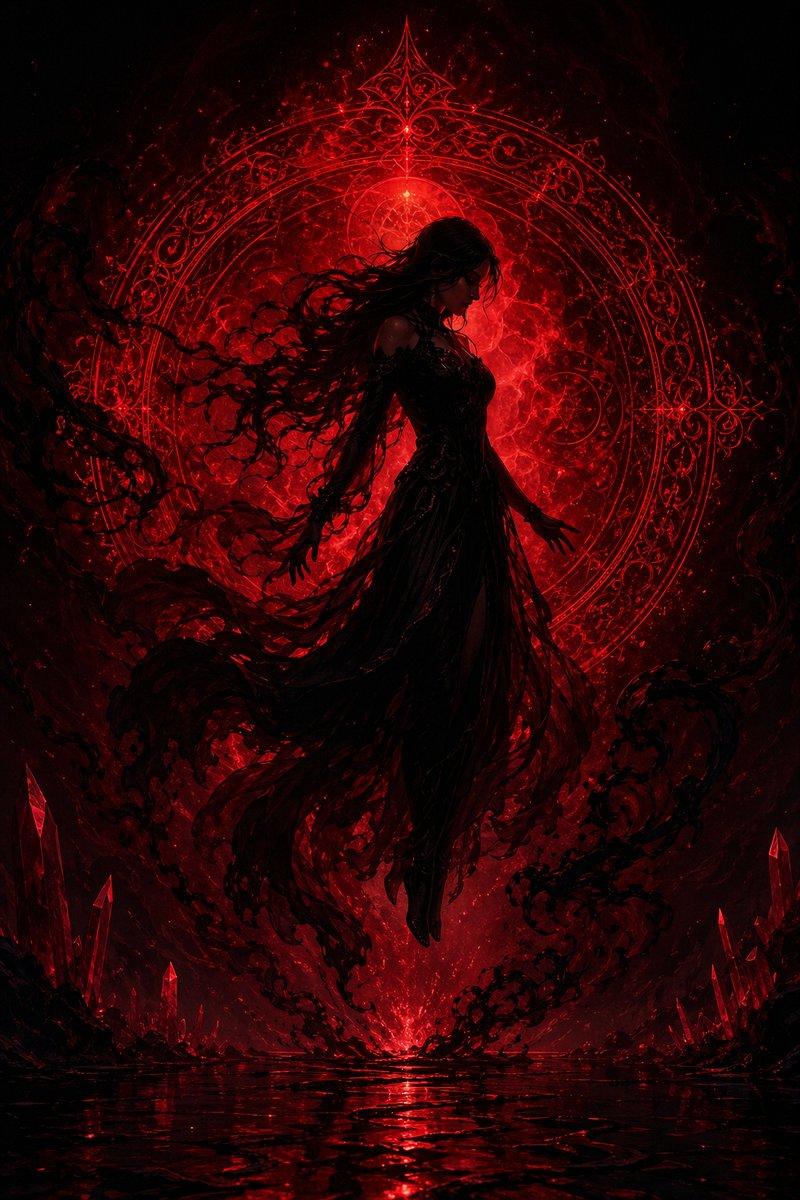
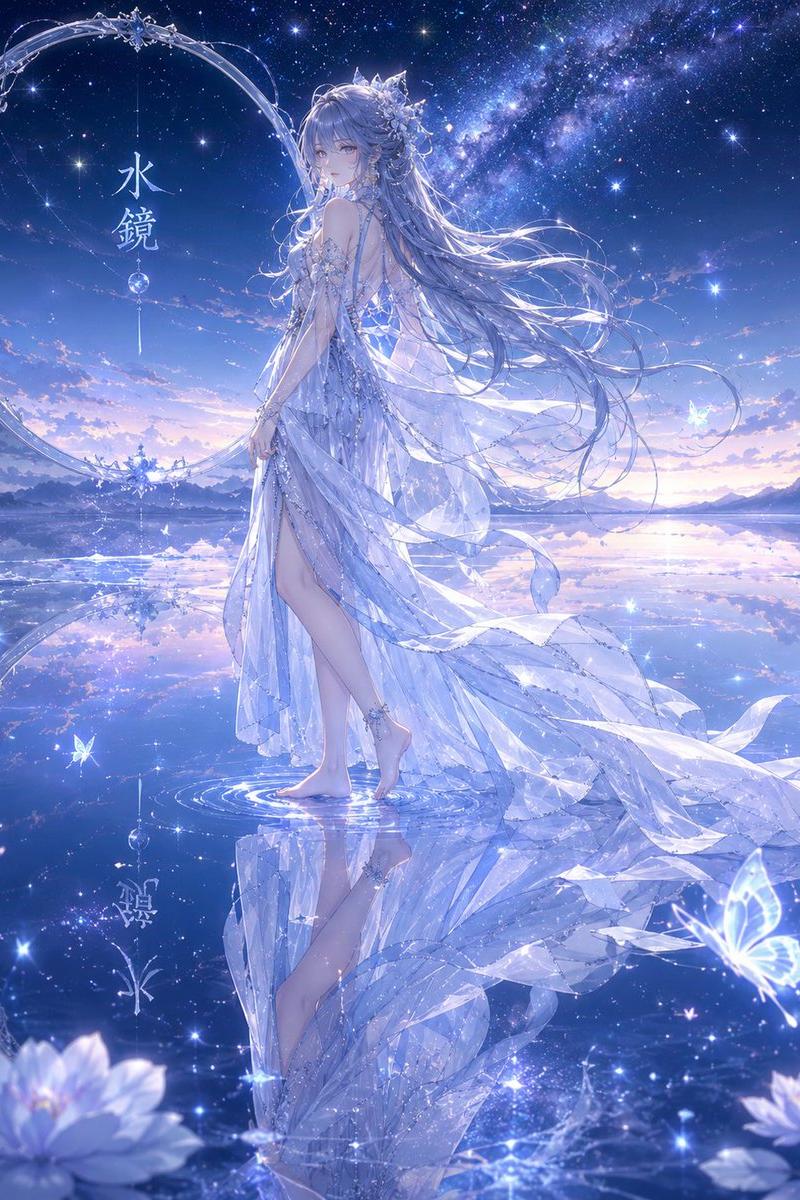
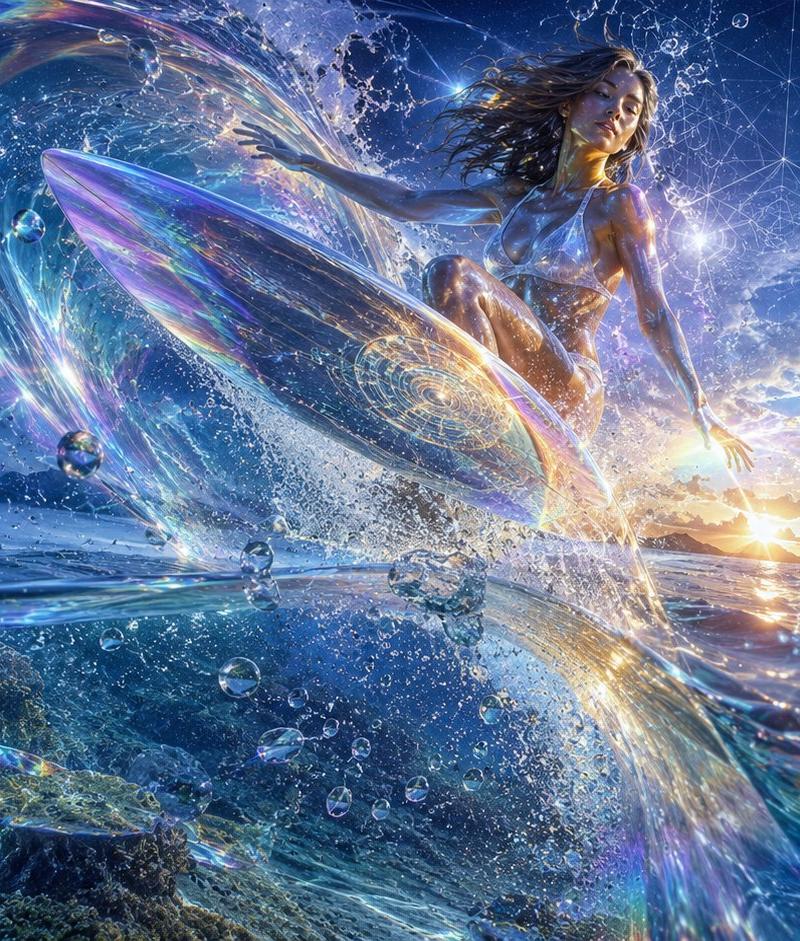
Create an ultra-detailed vertical fantasy anime illustration of {argument name="character name" default="an elegant faceless fairy princess"} standing full body in the center, surrounded by an overwhelming luminous garden of butterflies, flowers, vines, and stardust. The composition is extremely dense and maximalist, with no empty space: a dark midnight-blue cosmic background is filled edge to edge with glowing floral filigree, sparkling particles, gem-like petals, curling golden tendrils, and neon light trails. The character wears a long translucent flowing gown made of layered glassy petals and iridescent ribbons, with a sweeping train that curves from the lower center toward the right, blending into the flower field. Her hair and dress stream upward and outward in large ornate swirls, creating a halo-like spiral around her head; place a small vertical soft gray-brown rectangular blur over the face so the facial features are obscured. Use {argument name="color palette" default="electric cyan, hot pink, violet, magenta, orange, gold, and deep sapphire blue"} with intense glow, high saturation, glossy highlights, and jewel-like refractions. Include exactly 11 prominent oversized butterflies: one golden butterfly at the upper left, one large cyan butterfly on the left side, one cyan butterfly near the upper center, one orange butterfly at the upper right, one cyan-pink butterfly at the far upper right, one large cyan butterfly on the right edge, one large magenta butterfly at the lower right, one blue butterfly near the lower right, one blue butterfly at the lower left, one orange-yellow butterfly near the lower left, and one pink-yellow butterfly on the mid-left; add many tiny secondary butterflies and petals as background detail. Surround the character with clustered flowers in pink, orange, purple, blue, and red, especially near the chest and along the dress. Style: {argument name="art style" default="premium Japanese AI fantasy illustration, ornate anime, stained-glass iridescence, hyper-detailed digital painting"}. Lighting should be radiant and magical, with thousands of tiny star sparkles and glowing outlines; make the image crisp, intricate, and highly polished. Canvas: vertical 2:3 portrait, full-frame composition, no text, no watermark, no border.- Category
- Characters & People
- Model
- GPT Image 2
- Creator
- 魚谷真
- Source language
- en
- Source ID
- 26049
- Published
- Jun 17, 2026
Views0