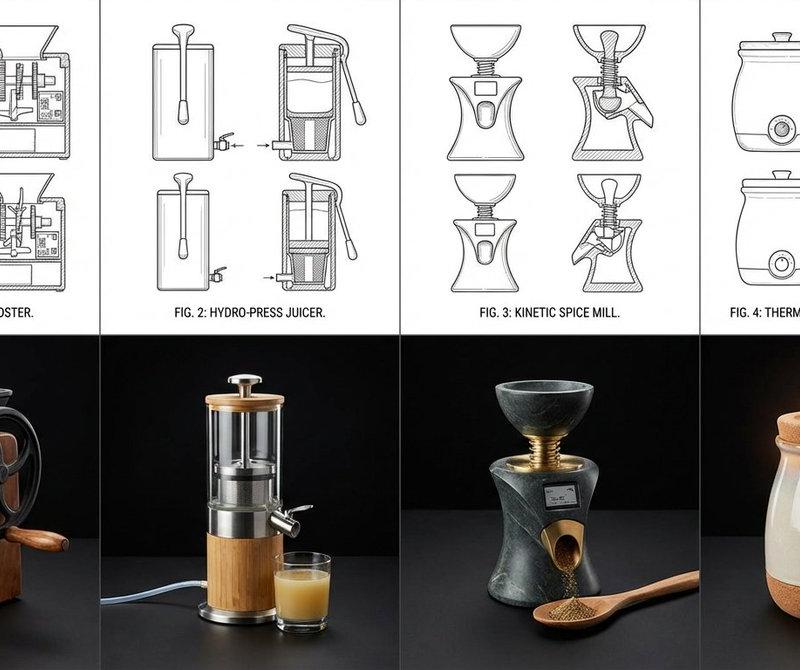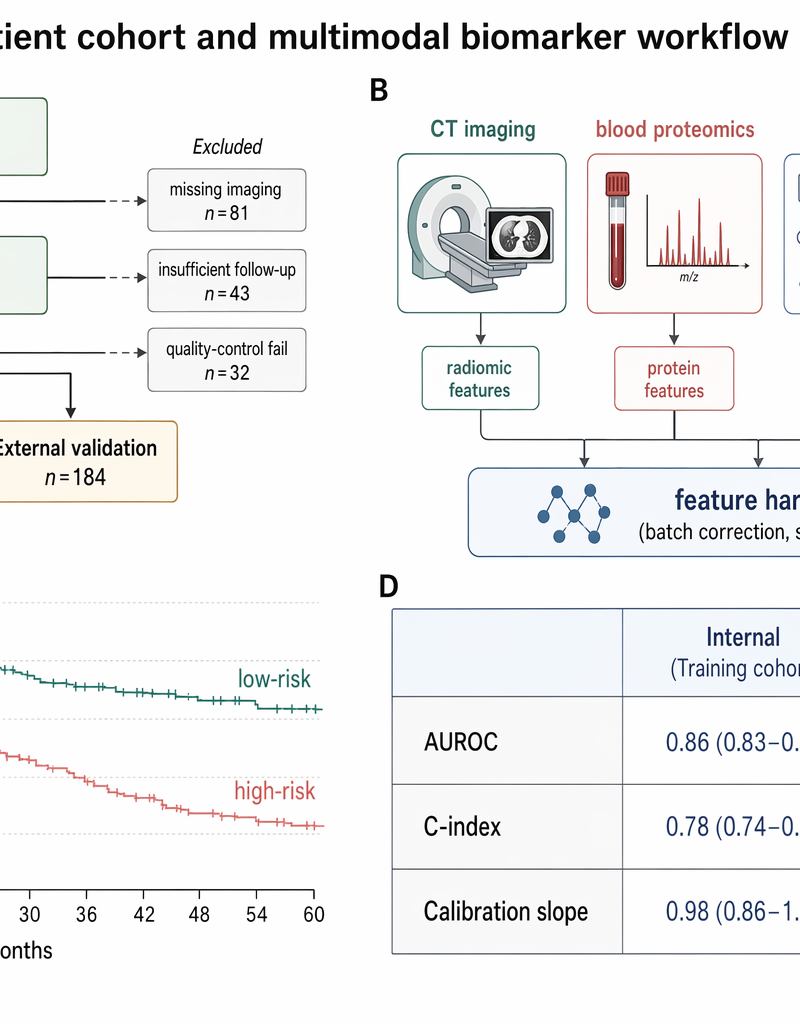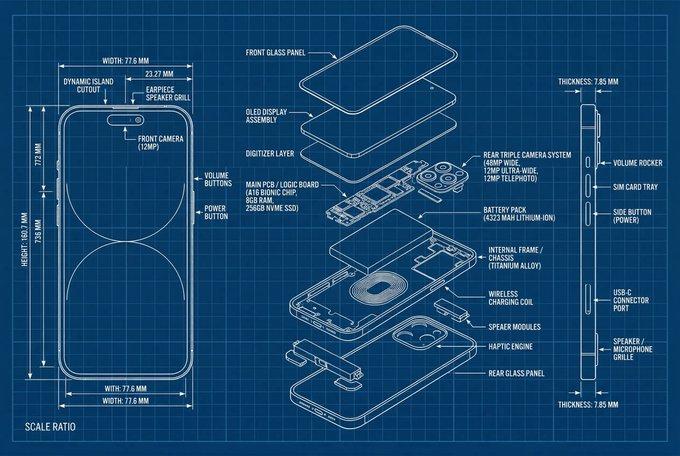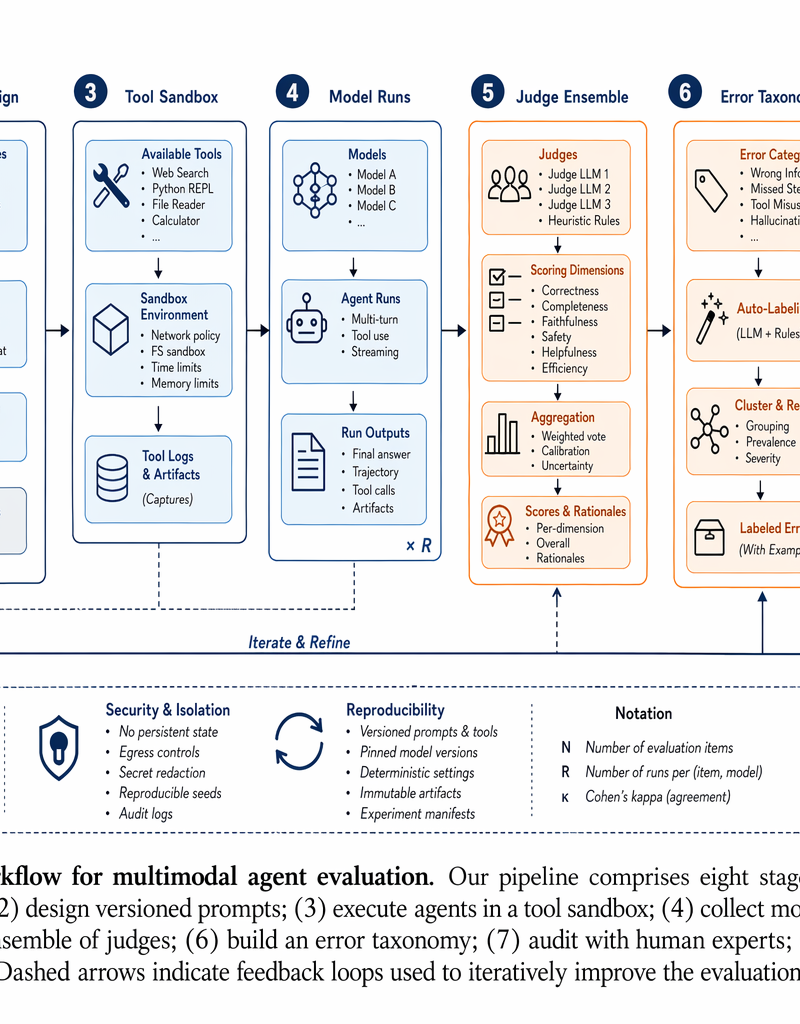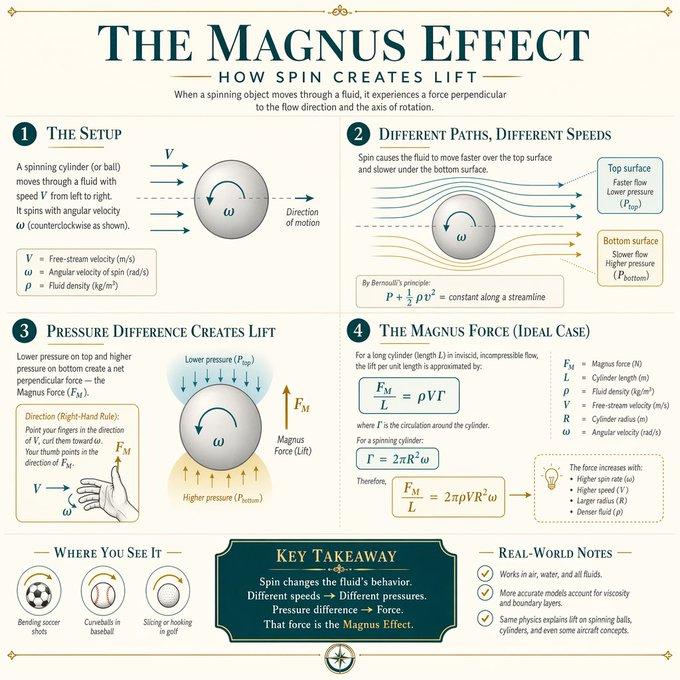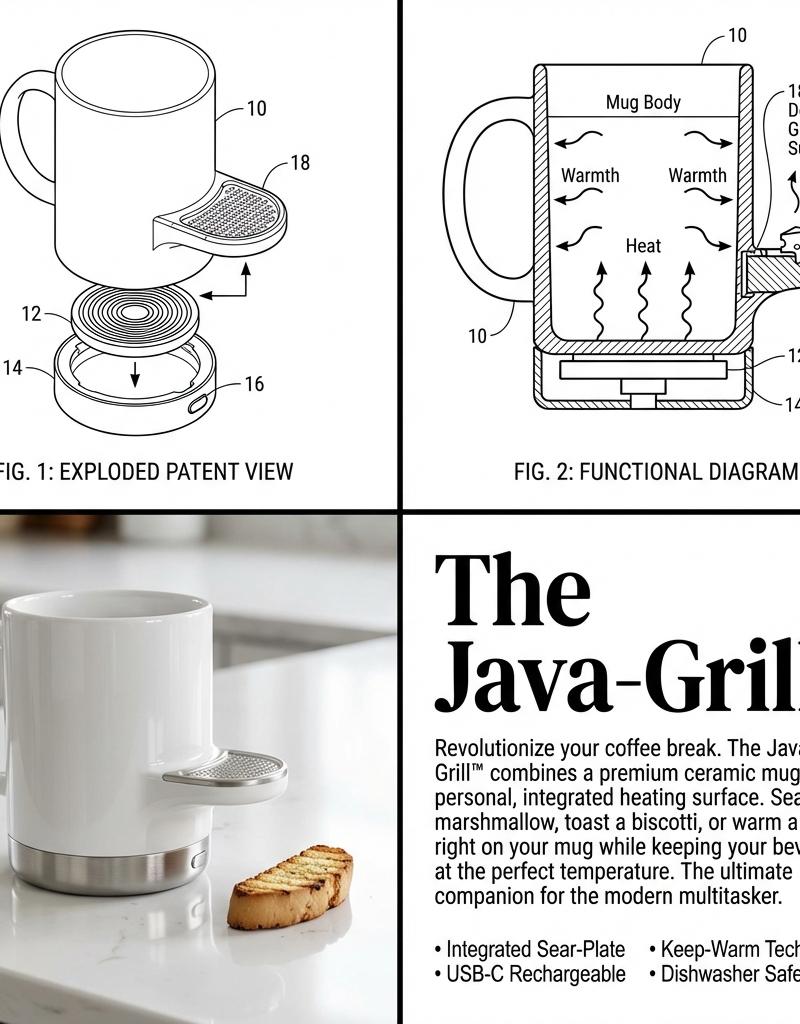
未来工业设计发明四宫格专利图纸
Prompt
Input Variable: [INSERT 1 or 2 OBJECTS] Instruction: Act as a Visionary Industrial Designer and Patent Clerk. Create a 2x2 Grid visualizing the invention of a new product based on the Input. Innovation Logic : Analyze Functions: Identify the primary utility of Input A and Input B. The Fusion: Combine them into a single, cohesive device that solves a specific (niche) problem. If 2 Inputs: Hybridize them (e.g., Mug + Grater = A self-cooling mug with a garnish shaver). If 1 Input: Evolve it (e.g., Toothbrush = A self-sanitizing, toothpaste-injecting smart wand). The Branding: Generate a catchy, corporate product name (e.g., "The Breeze-Grate™", "Solar-Brella Pro"). The Visual Structure (The 2x2 Grid): CRITICAL: The image must be split into 4 distinct quadrants with different visual styles. Panel 1 (Top Left): The Exploded Patent View Style: Black & White Technical Line Art. Thin distinct lines, no shading. Content: An isometric "Exploded View" of the device, showing the internal motor, battery, or mechanism separated from the shell. Detail: Add Numbered Leader Lines (10, 12, 14) pointing to specific parts. Panel 2 (Top Right): The Functional Diagram Style: Black & White Schematic with bold arrows. Content: A cross-section or "In-Use" drawing showing how how the device works. Use Action Arrows to show airflow, rotation, or liquid movement. Detail: Show the "Result" (e.g., cheese falling, water spraying). Panel 3 (Bottom Left): The Product Render Style: High-End Studio Photography. Color, Glossy, "Apple/Braun" Design Aesthetic. Content: The final physical product sitting on a white reflective surface. It should look sleek, using materials like White Ceramic, Brushed Aluminum, or Matte Plastic. Context: Include a small prop to show scale (e.g., a block of cheese, a coffee bean, a hand). Panel 4 (Bottom Right): The Marketing Pitch Style: Editorial Magazine Layout. White background, black text. Typography: Headline: Large, Bold Serif Text displaying the [Invention Name]. Body: A block of clean "Lorem Ipsum" or readable text describing the "Revolutionary Features." Bullets: A small list of specs (e.g., "Dishwasher Safe," "USB-C"). Visual Syntax: Cohesion: The product design in Panel 3 must perfectly match the line art in Panel 1. Design Language: Minimalist, Ergonomic, Consumer Electronics aesthetic. Even if the idea is silly, the design must look expensive. Output: 2x2 Grid, Mixed Media (Line Art vs. Photorealism), 8k Resolution, "Kickstarter Campaign" Aesthetic.
- Category
- Charts & Infographics
- Model
- Nano Banana Pro
- Creator
- @Gdgtify
- Source language
- zh-CN
- Source ID
- 8631
- Published
- Jun 7, 2026
Views2